



Thrust profile100N
Target of 10 seconds of stable combustion. Total impulse 1,000 N·s.
Galaxy Roket'le
Geleceğe Roketle!

Founded in Ordu in 2019, we are a student technology team of 70+ members developing rocket and space technologies at METU.
The Galaxy Rocket Team was founded in 2019 in Ordu by high-school students. Today it develops rocket and space technologies at Middle East Technical University (METU) with students from many departments.
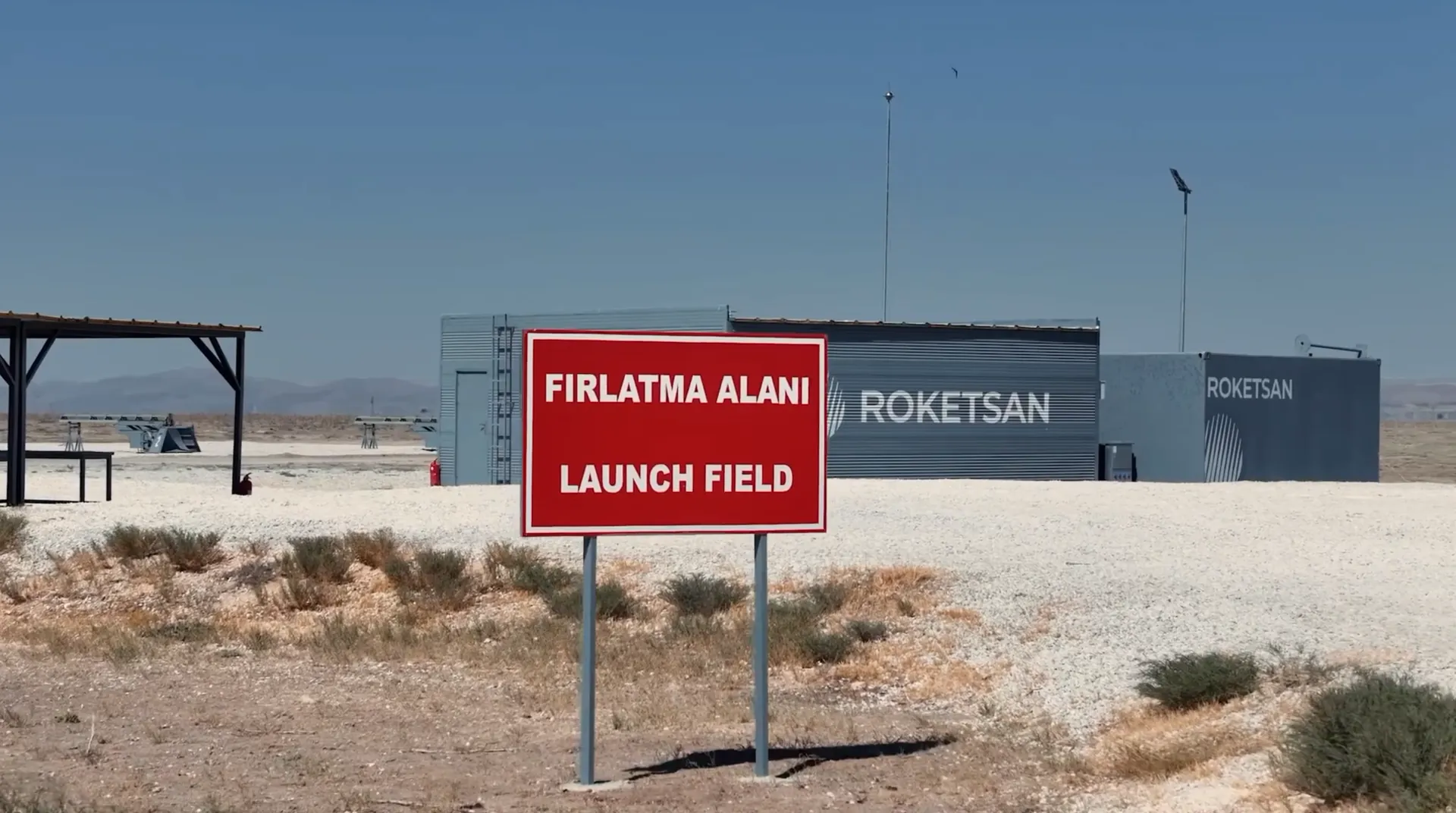
Between 2019 and 2023 we built 6 rockets and launched them at the ROKETSAN Hisar Test Range; our 14,000-ft Eren rocket carried the Polaris micro atmospheric measurement and observation satellite into the sky.
In 2025 and 2026 we moved on to our own liquid-propellant systems: alongside a new mid-altitude rocket, we are developing a 100 N liquid rocket engine and a liquid-engine sounding rocket.

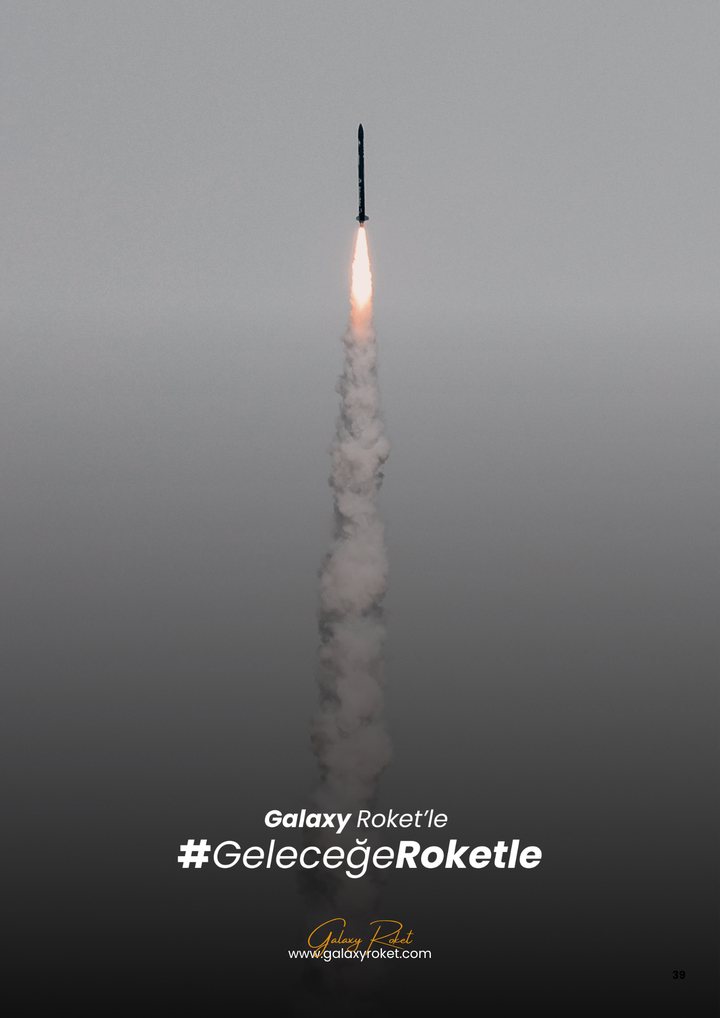

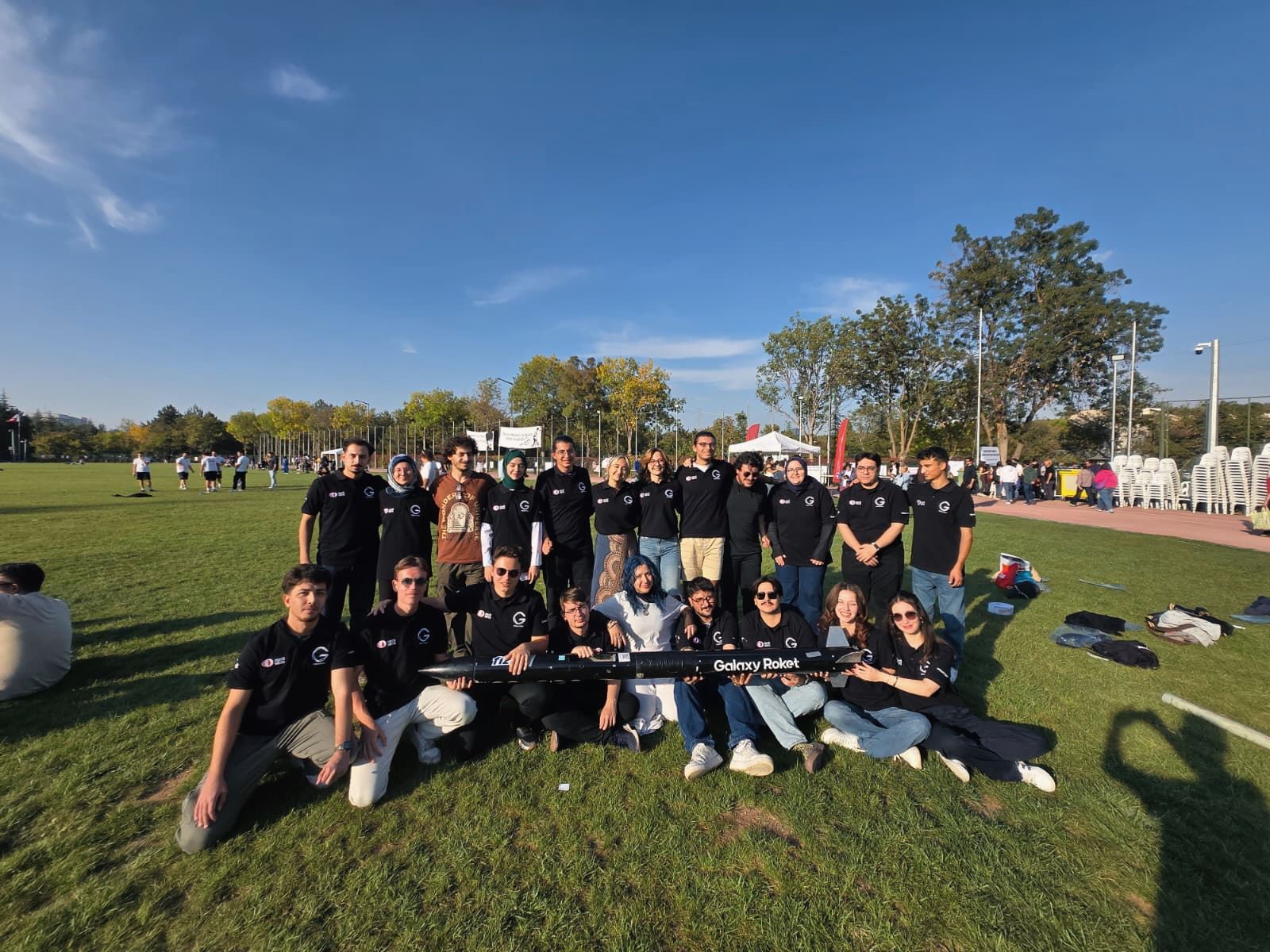
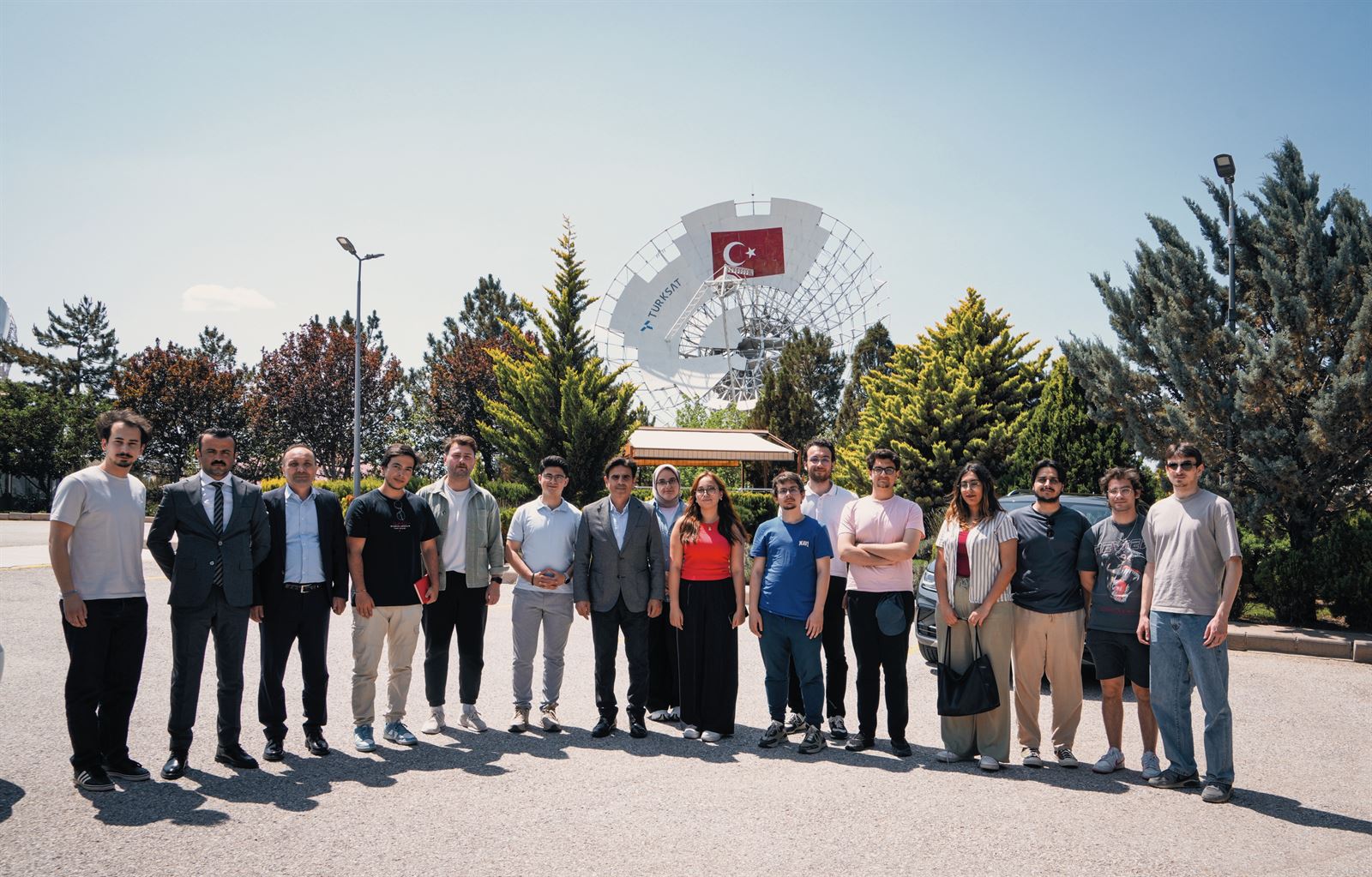
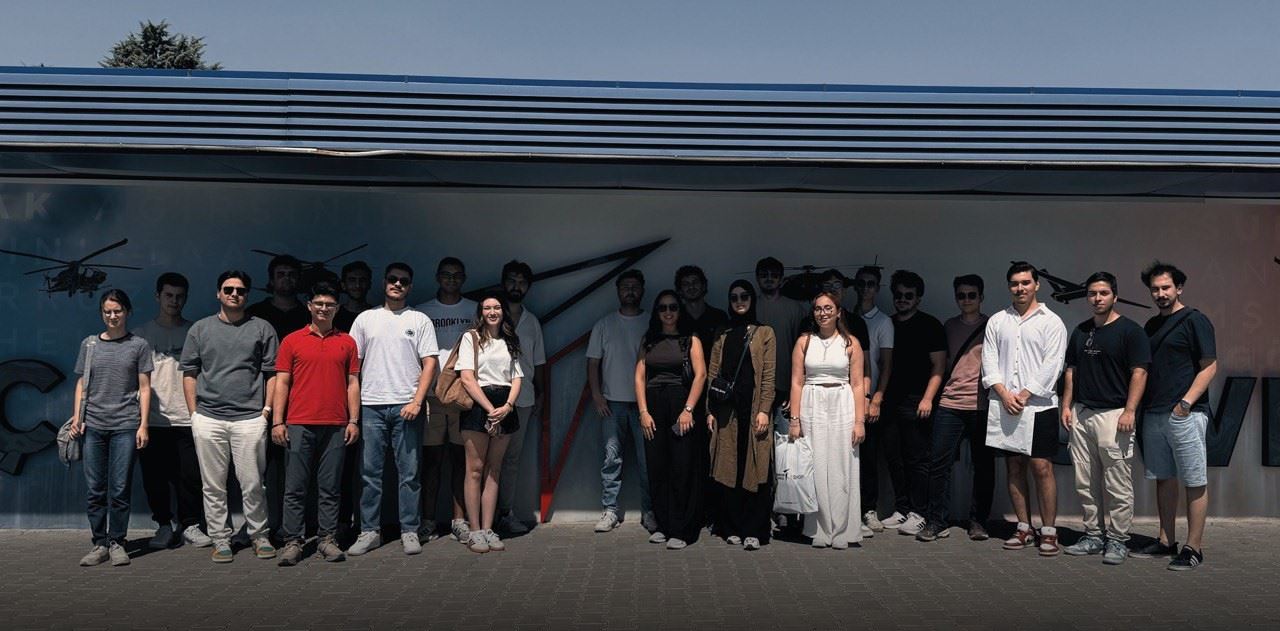
Our liquid-engine sounding rocket and 100 N rocket engine are in development. The Martyr Eren Bülbül Mid-Altitude Sounding Rocket we developed for TEKNOFEST 2023 flew with our own avionics, communication and ground station systems.
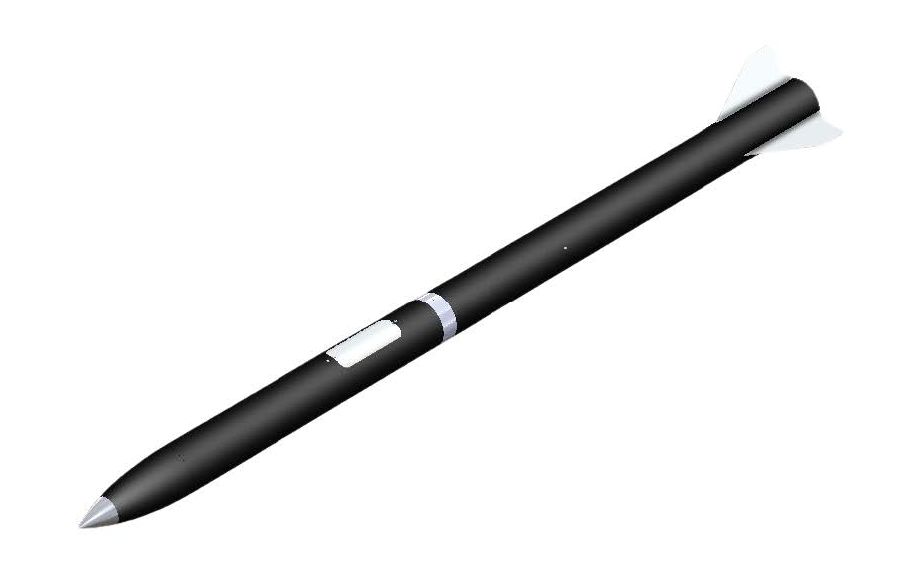 Sounding Rocket · Liquid Propellant
4,452m
Our sounding rocket designed to carry a 4 kg scientific payload to a 4,452-metre apogee on our own 1200 N class liquid-propellant engine (N₂O and Jet-A1).
Learn More → 02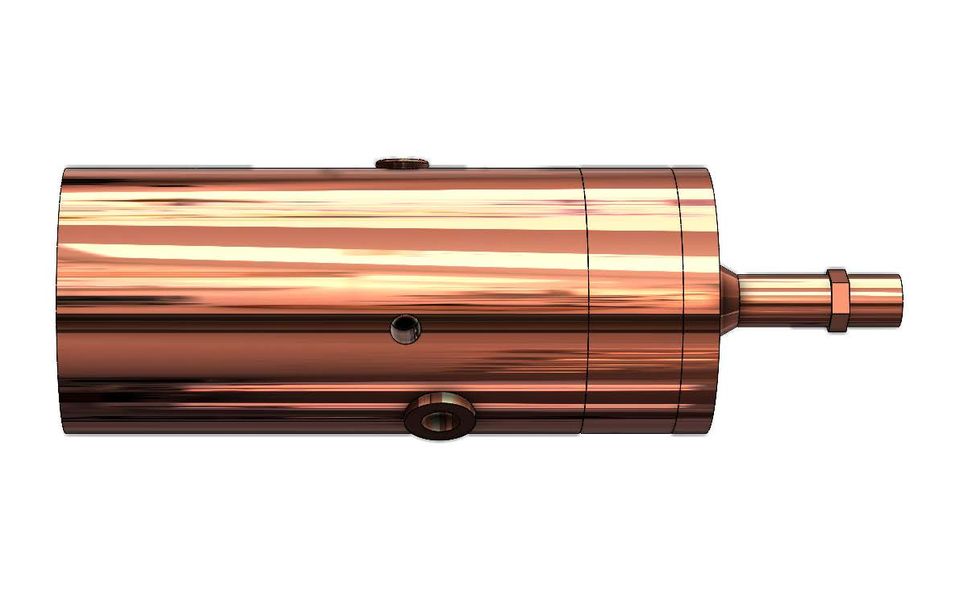 Rocket Engine · TEKNOFEST 2025
100N
Our original liquid-propellant engine for the TEKNOFEST 2025 B3 category, designed to burn gaseous oxygen and Jet-A1 stably for 10 seconds.
Learn More → 03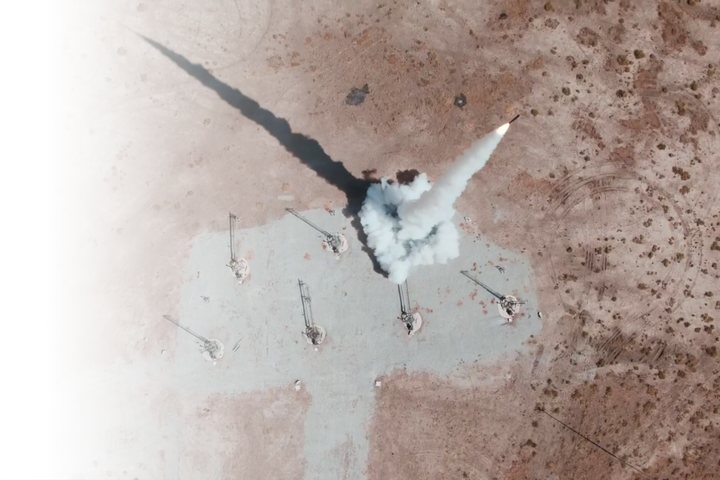 Eren Rocket · 2023
GSMModule
Thanks to the GSM module in our avionics, rocket data is sent not only to the ground station but also to mobile phones as SMS.
Learn More → 04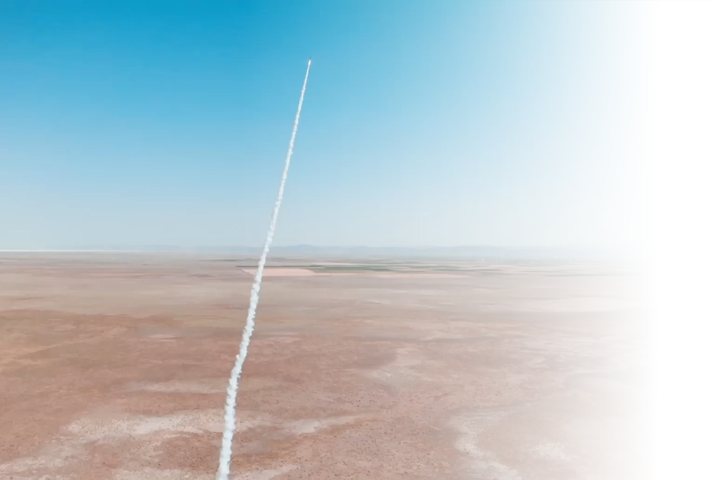 Eren Rocket · 2023
35+Km
With communication modules and ground station antennas we built ourselves, the rocket keeps an uninterrupted link with the ground station from more than 35 km away.
Learn More → 05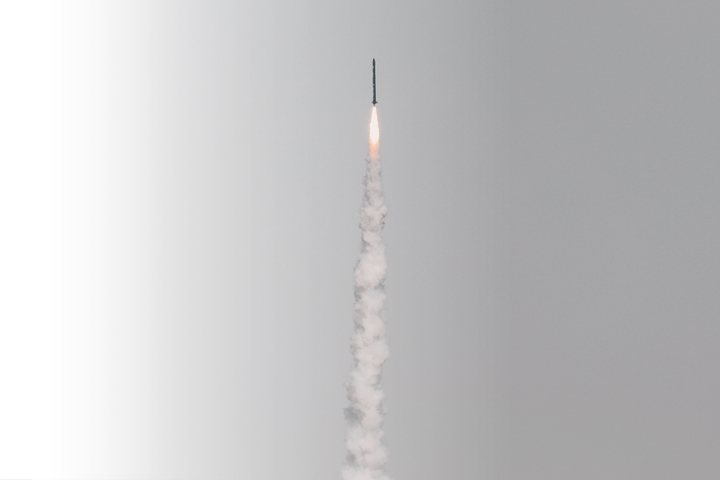 Eren Rocket · 2023
12,000Feet
The Eren Rocket we developed in 2023 has a 12,000-foot altitude range and can carry a 5 kg payload to that altitude.
Learn More →Design targets of our two projects in development. The values are targets and calculations from our design reports and will be updated as tests confirm them.
Target of 10 seconds of stable combustion. Total impulse 1,000 N·s.
Target: at least 260 seconds.
With gaseous oxygen and Jet-A1.
Oxidiser-to-fuel ratio by mass.
Chamber, injector and nozzle in copper-chromium-zirconium alloy.
Swirling flow for fine atomisation and even mixing.
With a 4 kg scientific payload. The rocket is recovered on two parachutes, the payload on its own.
Class of our own liquid engine. Total impulse 11,990 N·s. Recovery: 2 parachutes + an independent payload parachute.
A safe target set with real losses taken into account.
With self-pressurising nitrous oxide.
Chamber pressure. The vapour pressure of N₂O is 55 bar.
Five-group unlike-triplet impinging injector on a pancake architecture.
TUALCOM is a defence electronics company working in communication and RF technologies. It develops indigenous systems for data links, telemetry, flight termination, GPS/GNSS anti-jam and electronic warfare, supplies Türkiye's leading defence and space companies and exports its products worldwide.
TUALCOM is the main sponsor of the Galaxy Rocket Team. As we design, build and test our rockets and rocket engines, TUALCOM gives us our strongest support. That support is part of every launch we make, and we thank TUALCOM for standing with us.
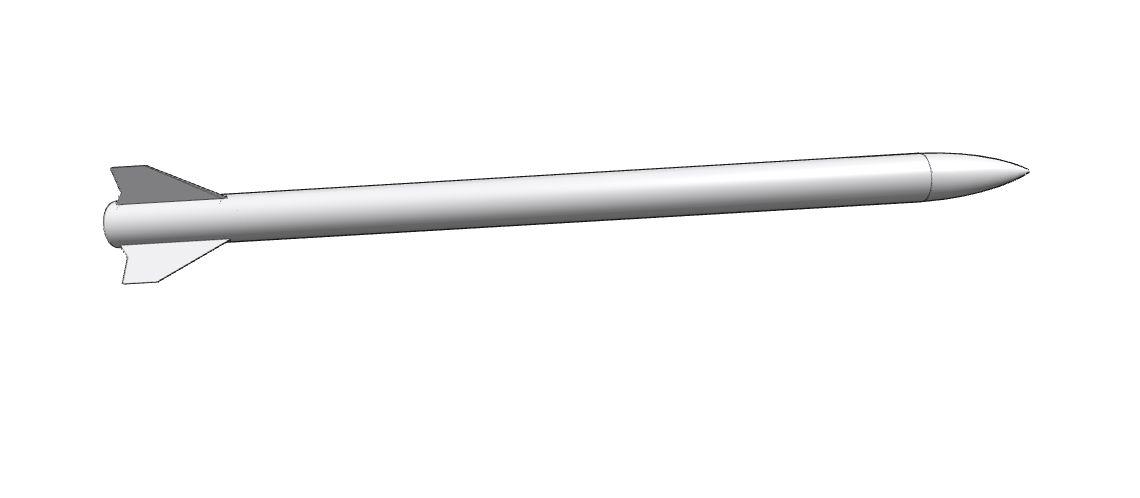
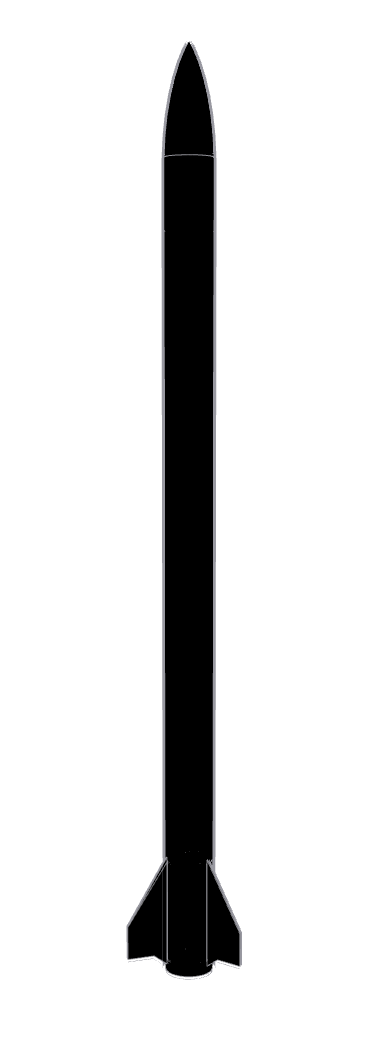
We design our rockets on screen, from the nose cone to the fins. The model below is drawn from our team's CAD file at its real dimensions; drag to rotate it.
Galaxy Roket is a TEKNOFEST rocket team at METU (ODTÜ) building rockets, rocket motors and avionics. We design our sounding rockets from nose cone to fins, fly them on solid rocket motors and run R&D on liquid-propellant rocket engines.
An ogive nose cone made of composite material to keep drag to a minimum. Its shape comes from flight simulations and aerodynamic analysis.
The payload bay for atmospheric measurement and observation. In 2023 our Eren rocket carried the Polaris Micro Atmospheric Measurement and Observation Satellite.
A drogue parachute opens at apogee and the main parachute at low altitude, so the rocket and payload land safely and can fly again.
Our own flight computer runs the flight: it processes altitude, acceleration and position, fires the parachutes and streams live telemetry to the ground station.
The solid rocket motor that lifts the rocket to 14,000 feet. Our propulsion unit handles motor selection, thrust tests and analysis, and R&D on liquid-propellant rocket engines.
The fins keep the rocket stable throughout the flight. Their size and position are optimised with stability margin calculations.
Our mission profile, every phase from ignition to payload recovery. Tap a phase, drag the slider or press play.
The motor ignites and the rocket leaves the rail.
Diagram: Galaxy Roket concept of operations. Positions and timing of phases are illustrative.
Altitude Range
Comm Range
Payload Capacity
Total Impulse
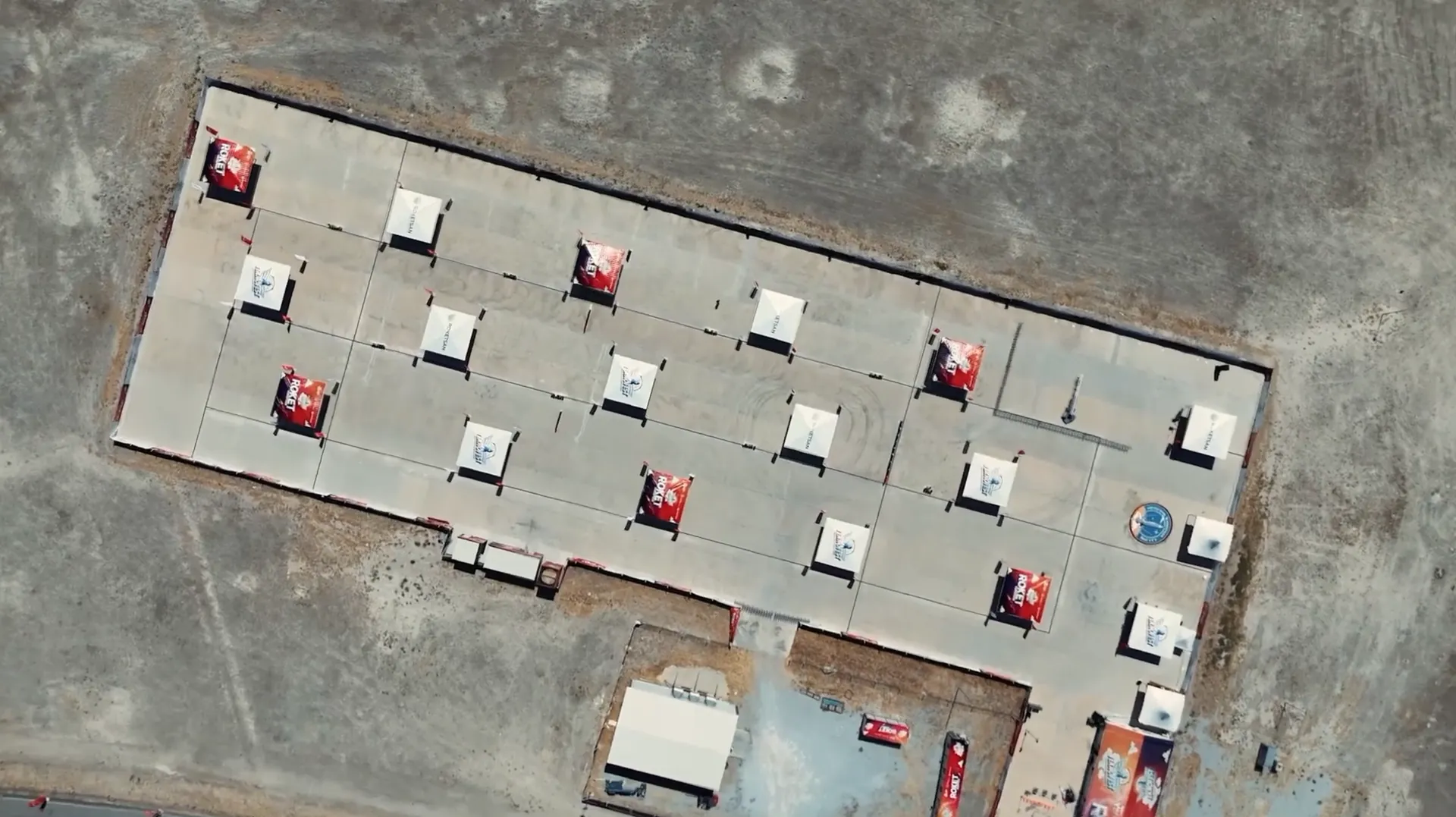
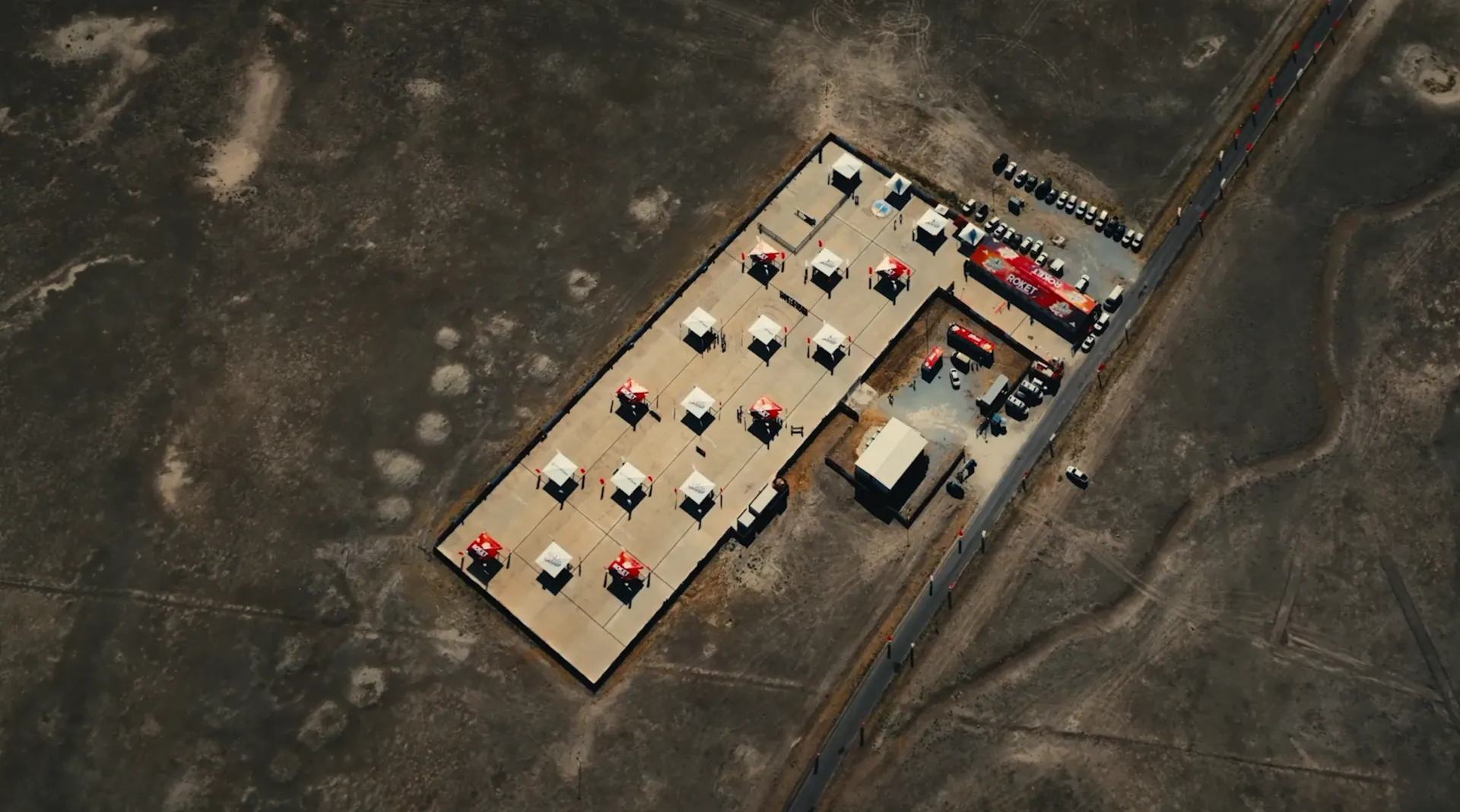
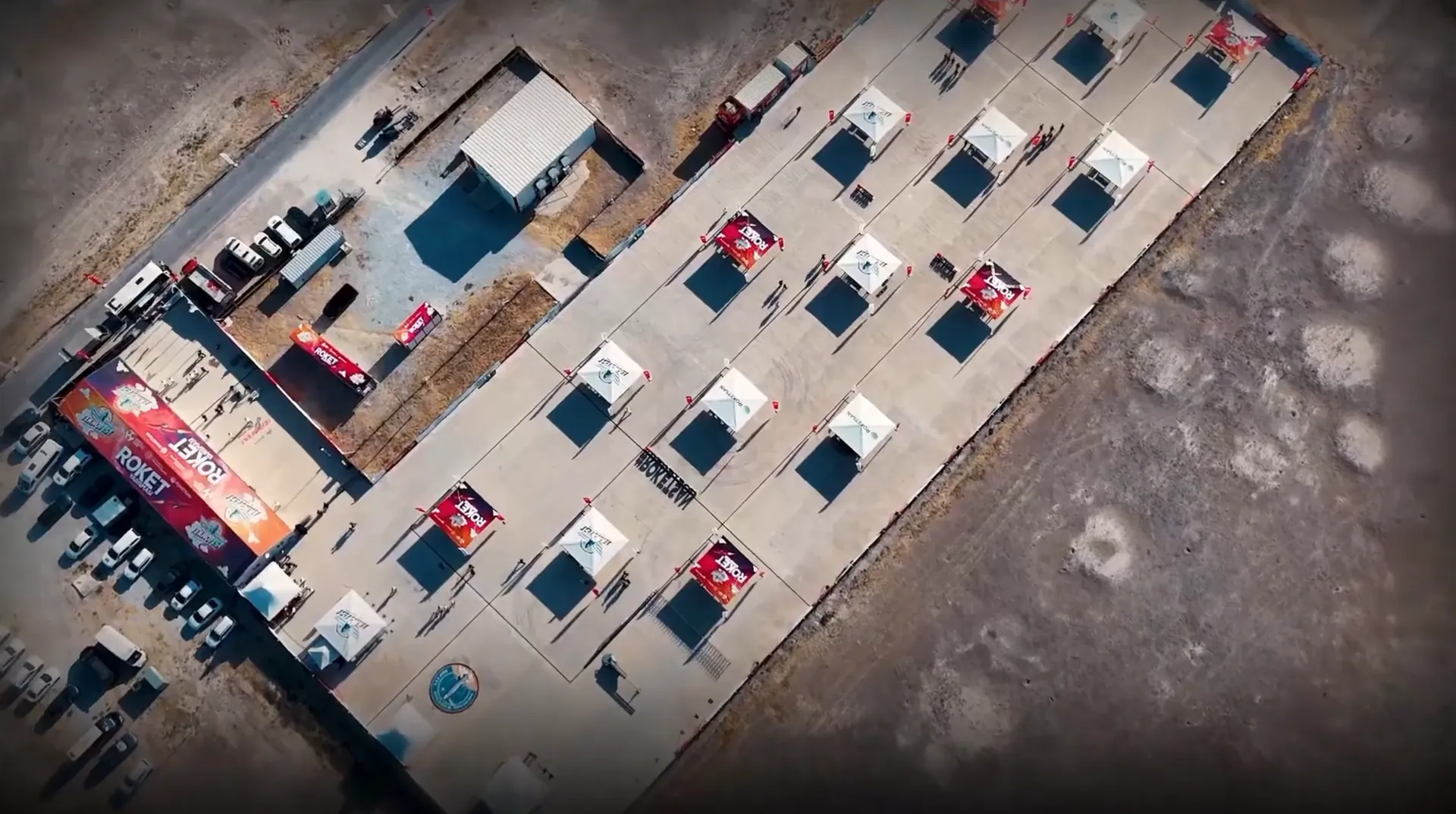
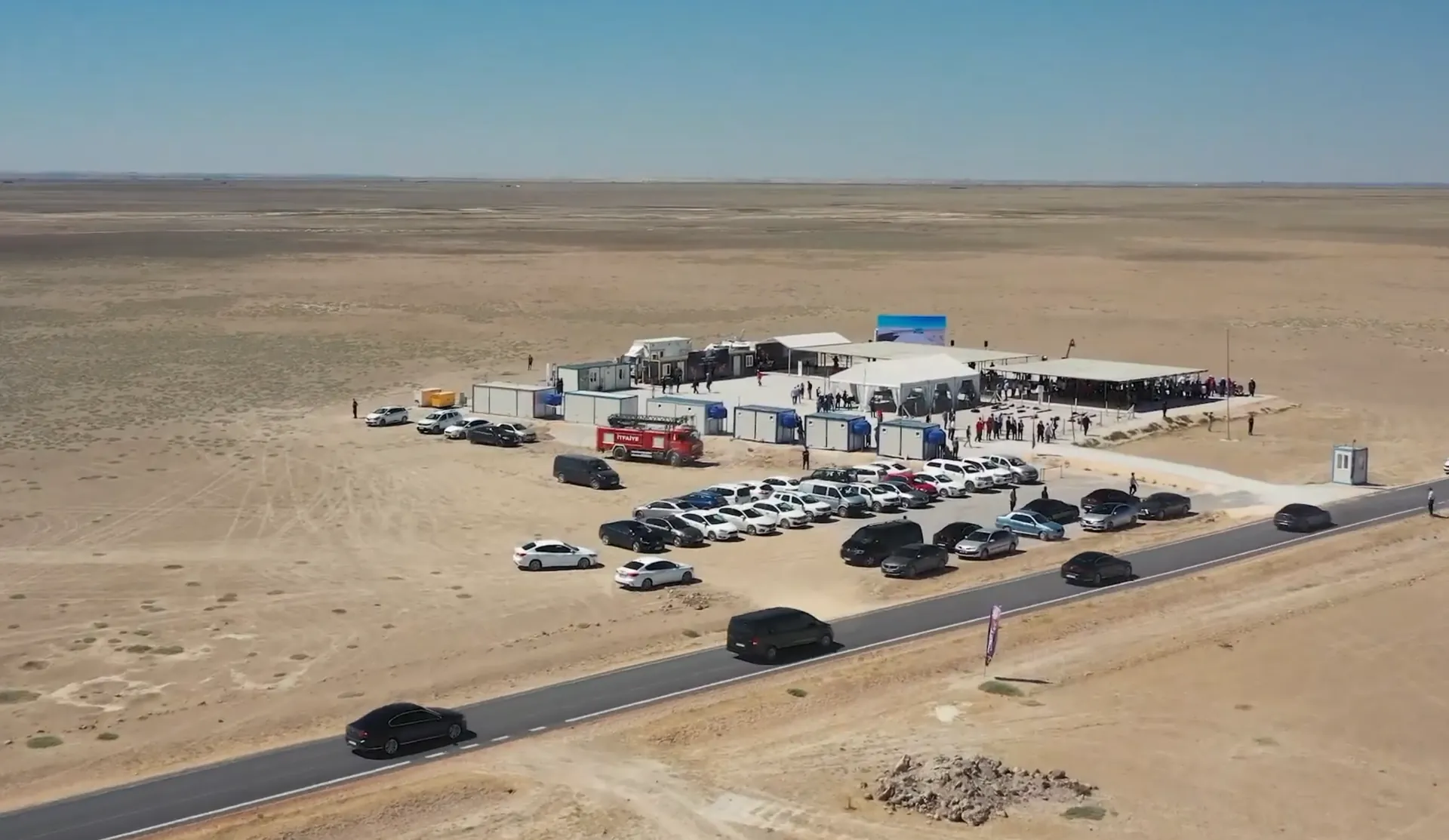
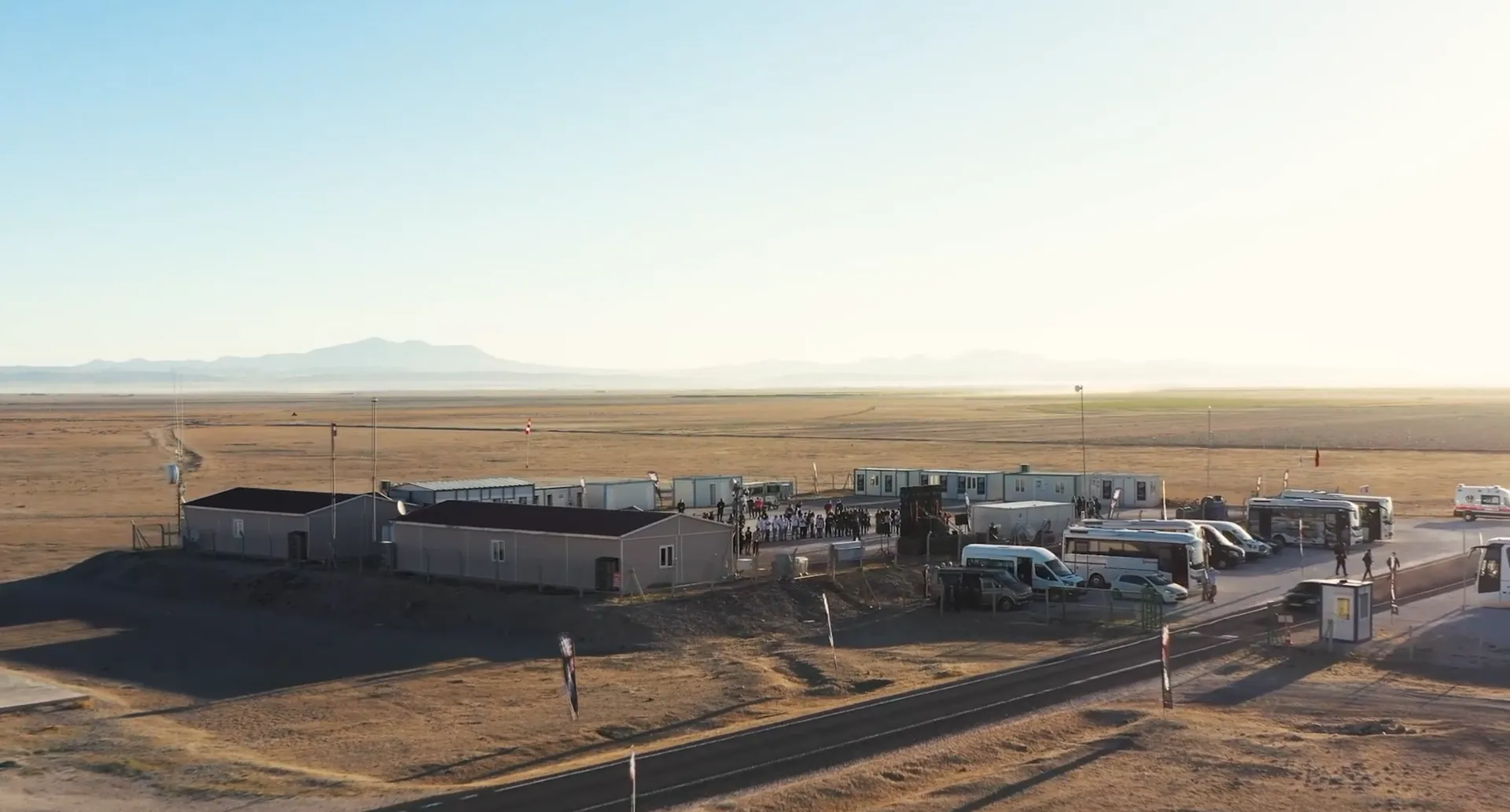
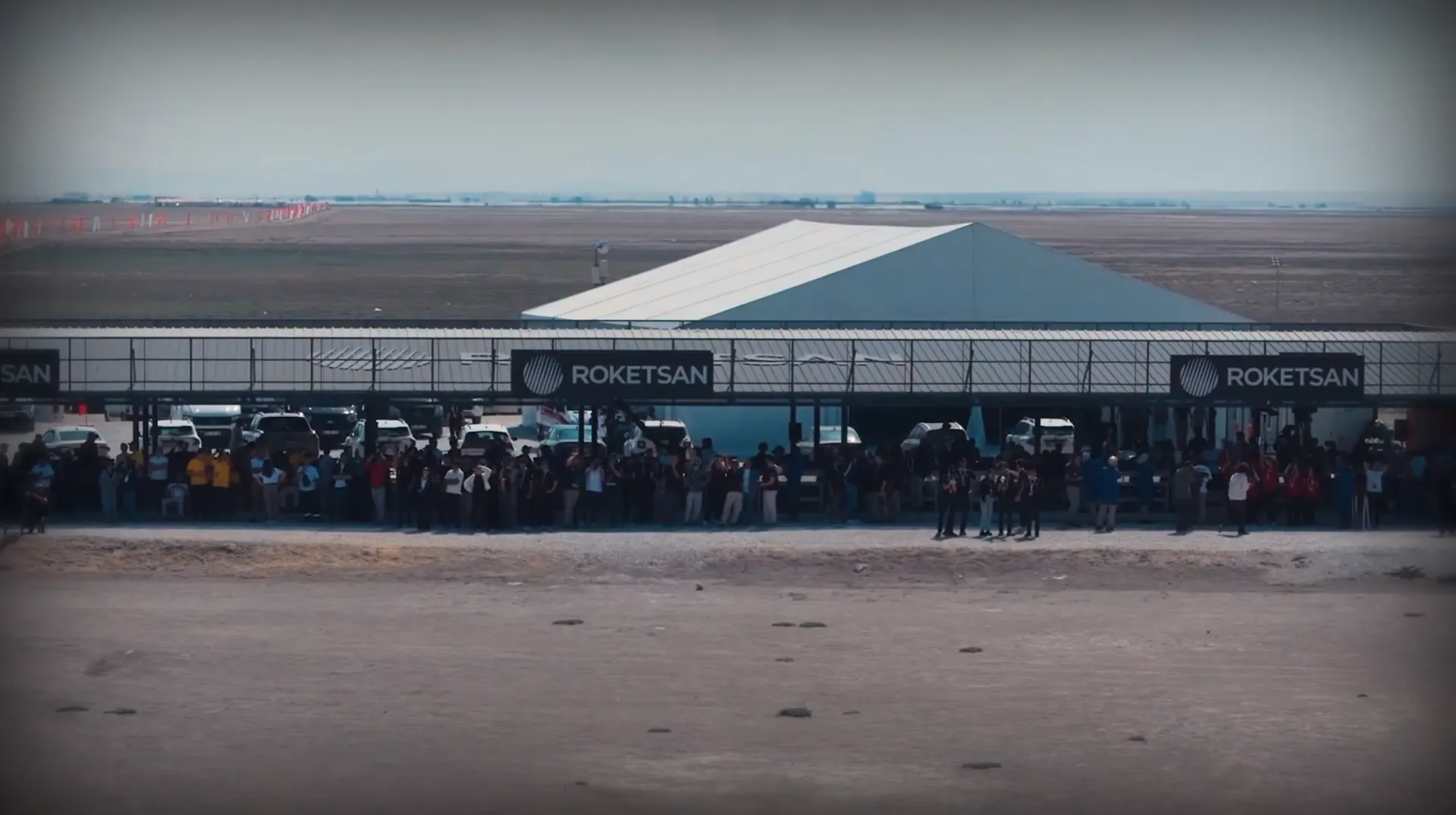
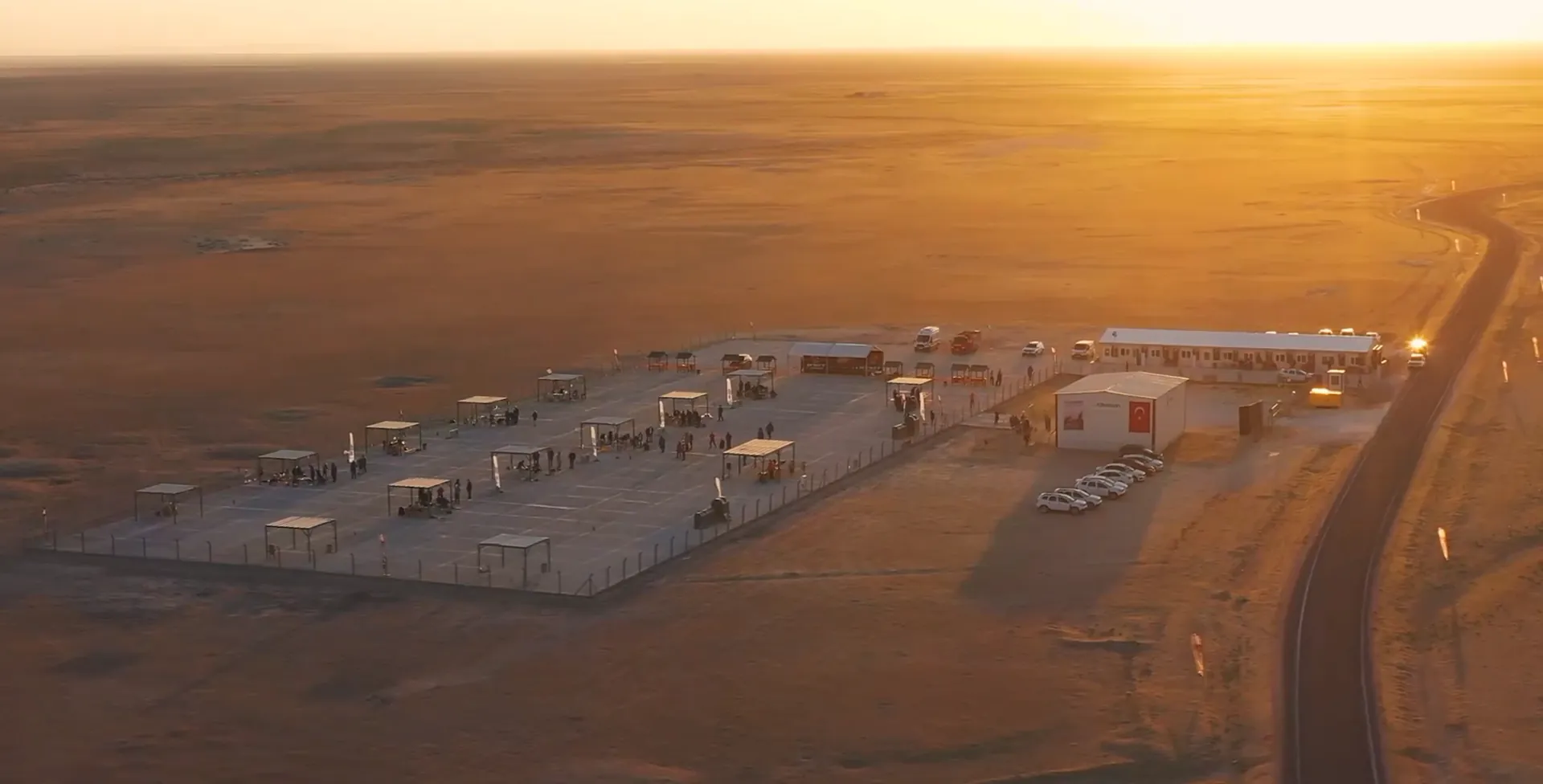
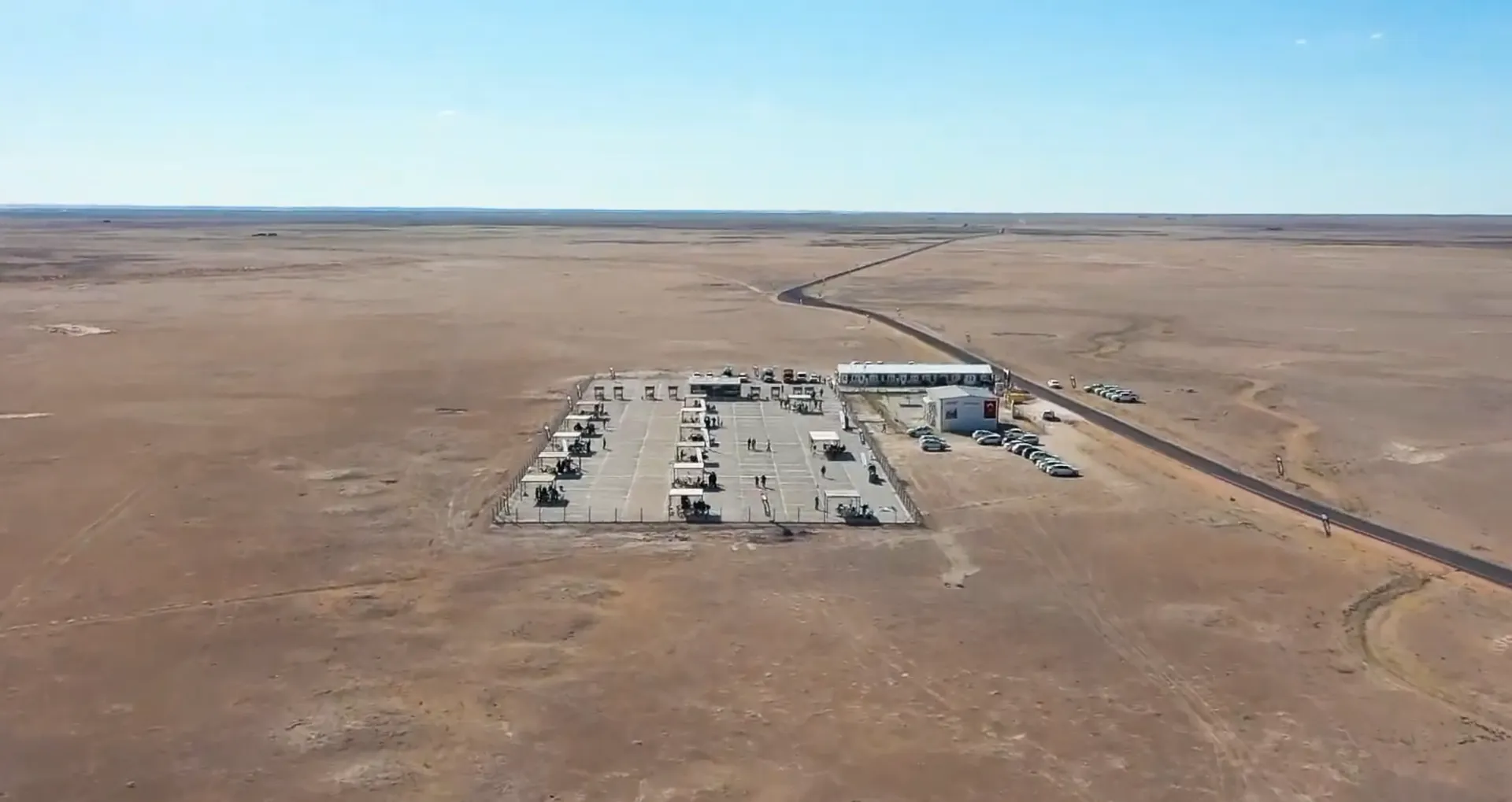
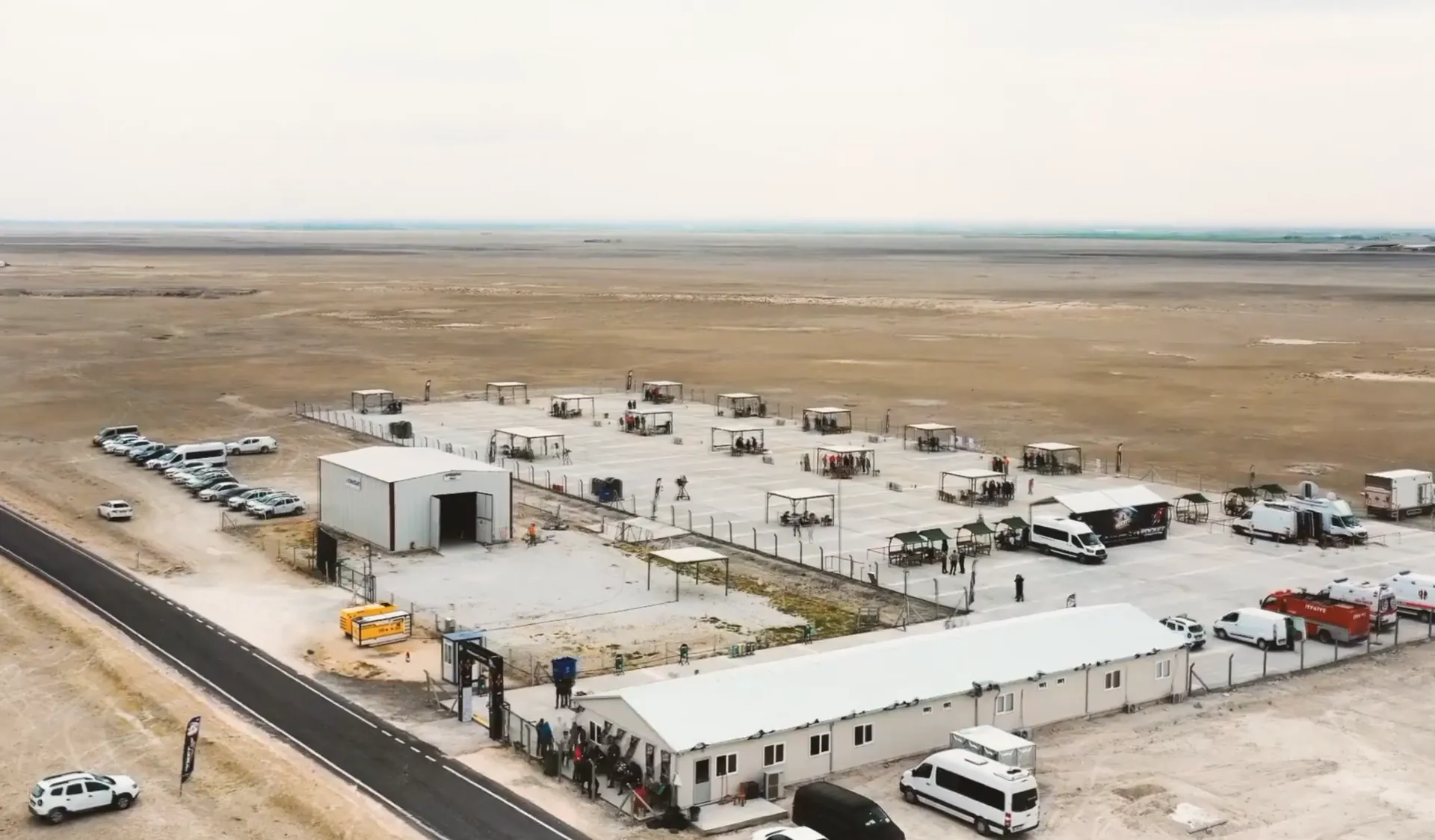
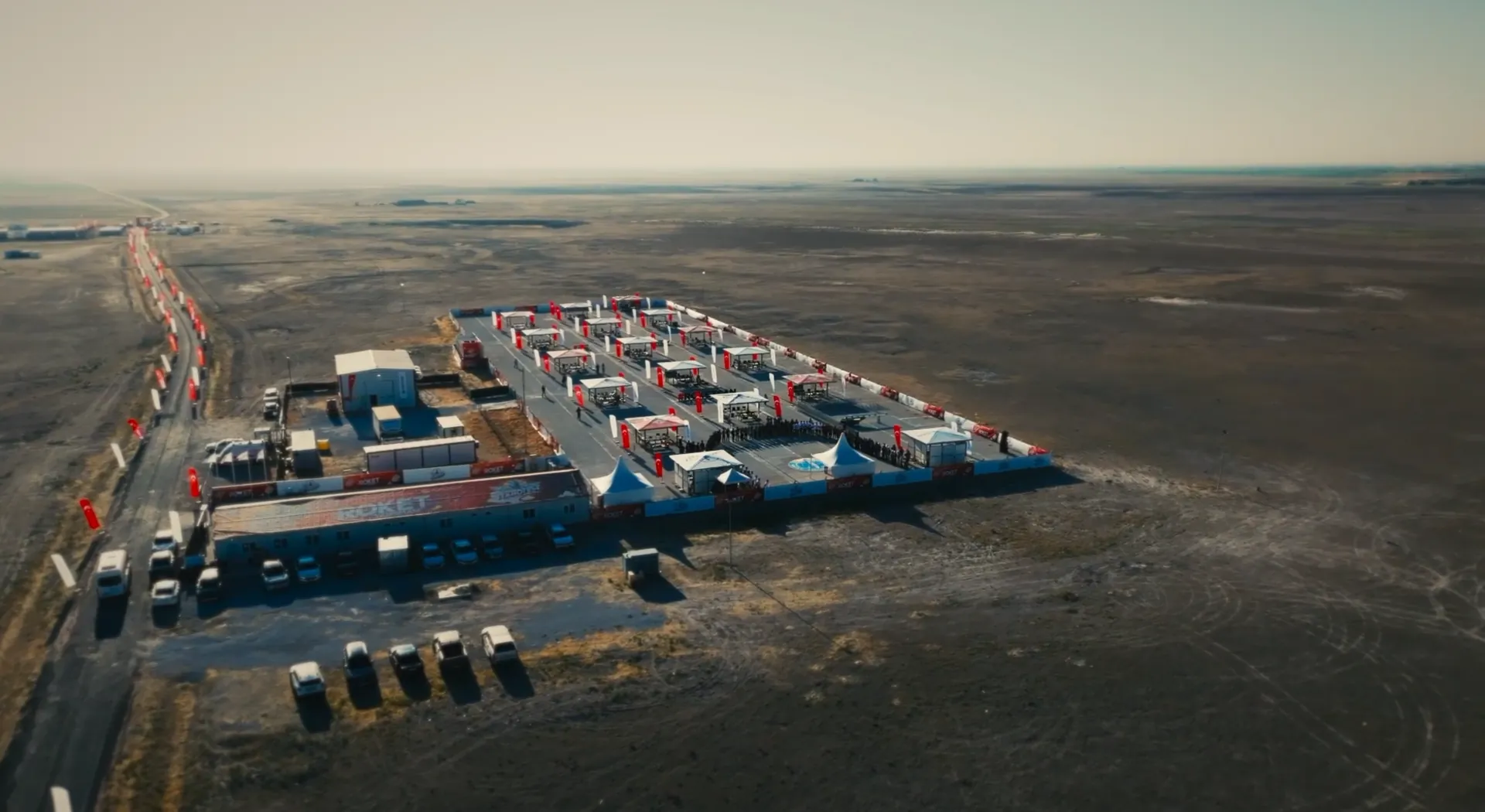
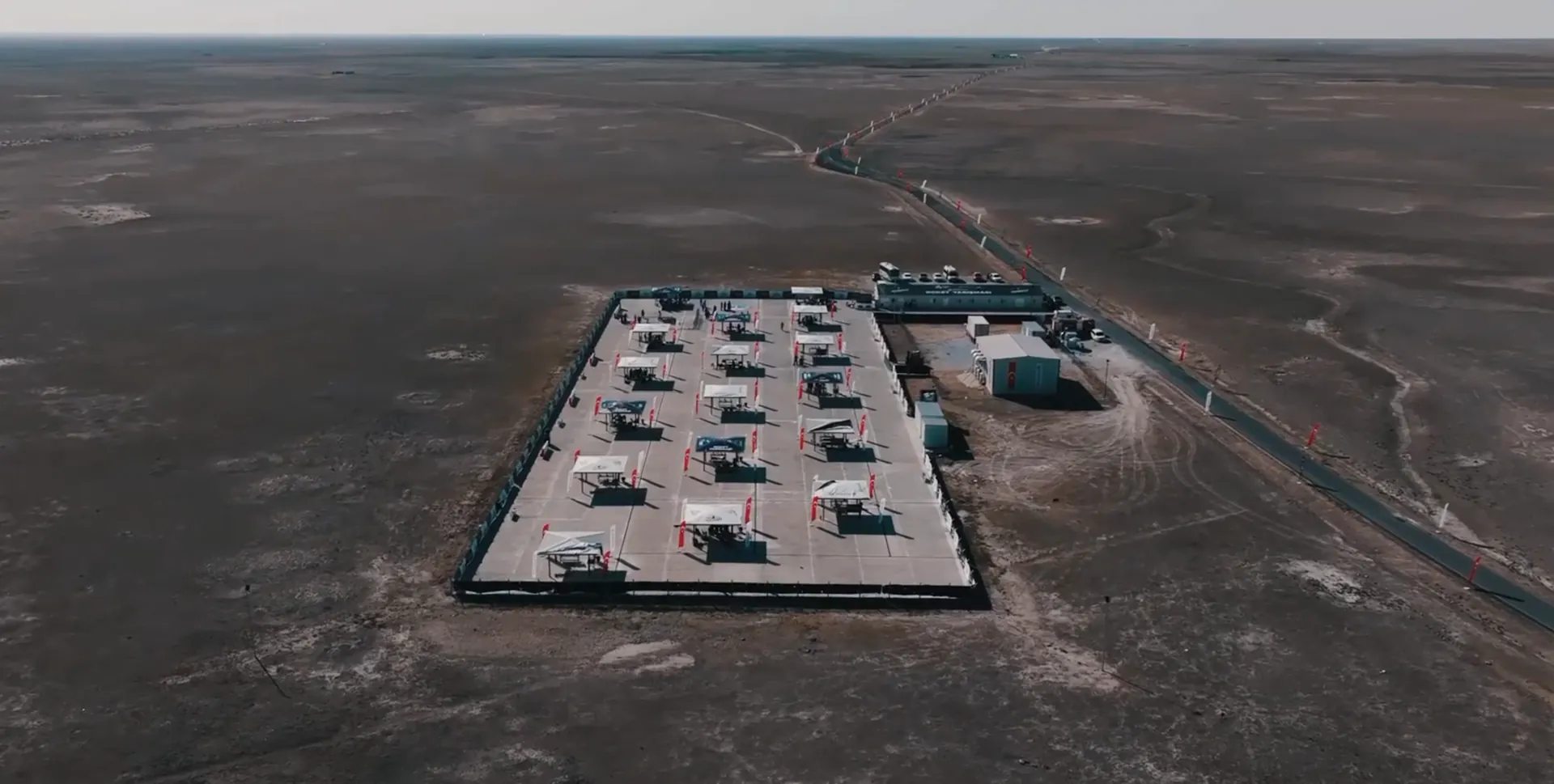
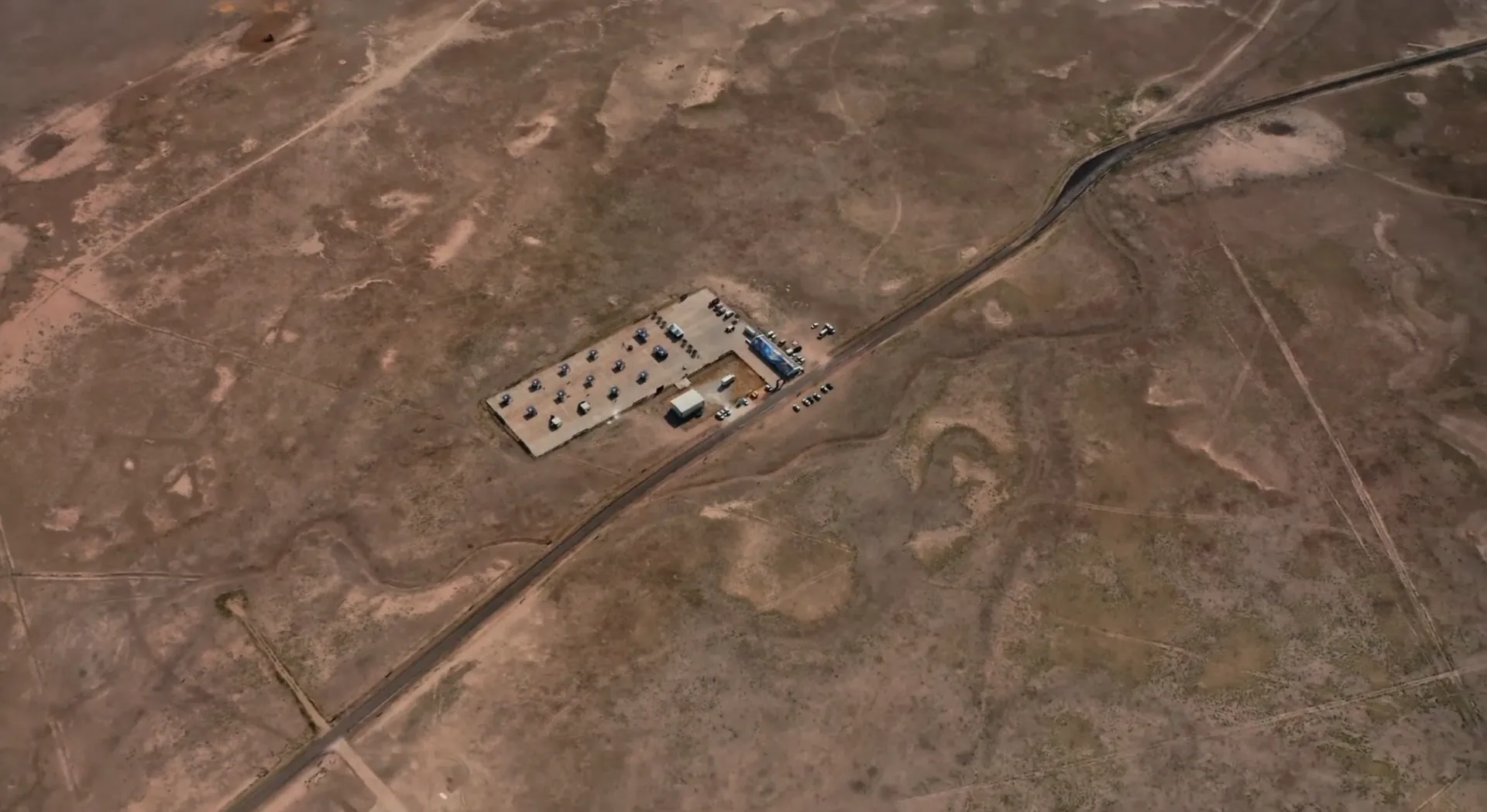
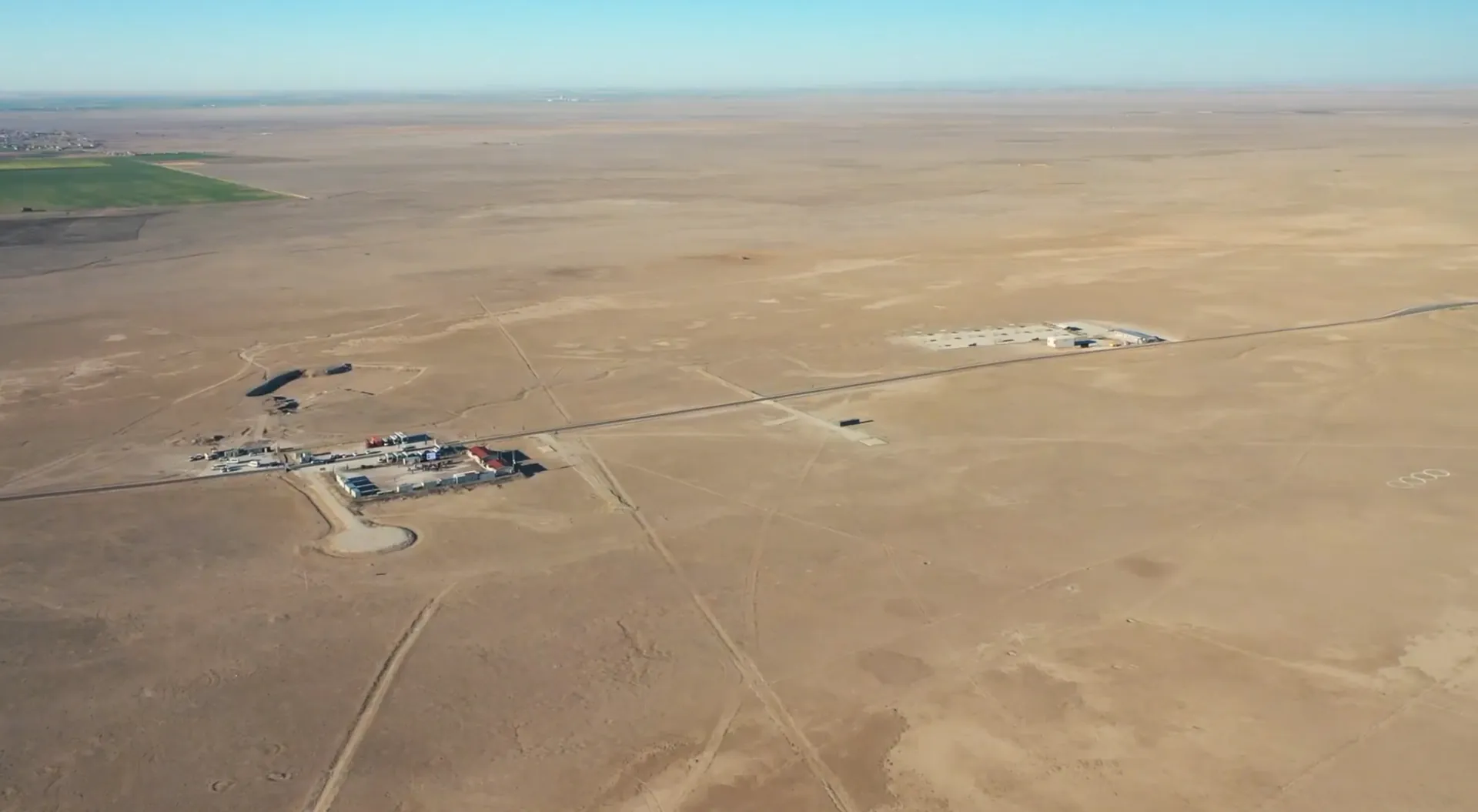
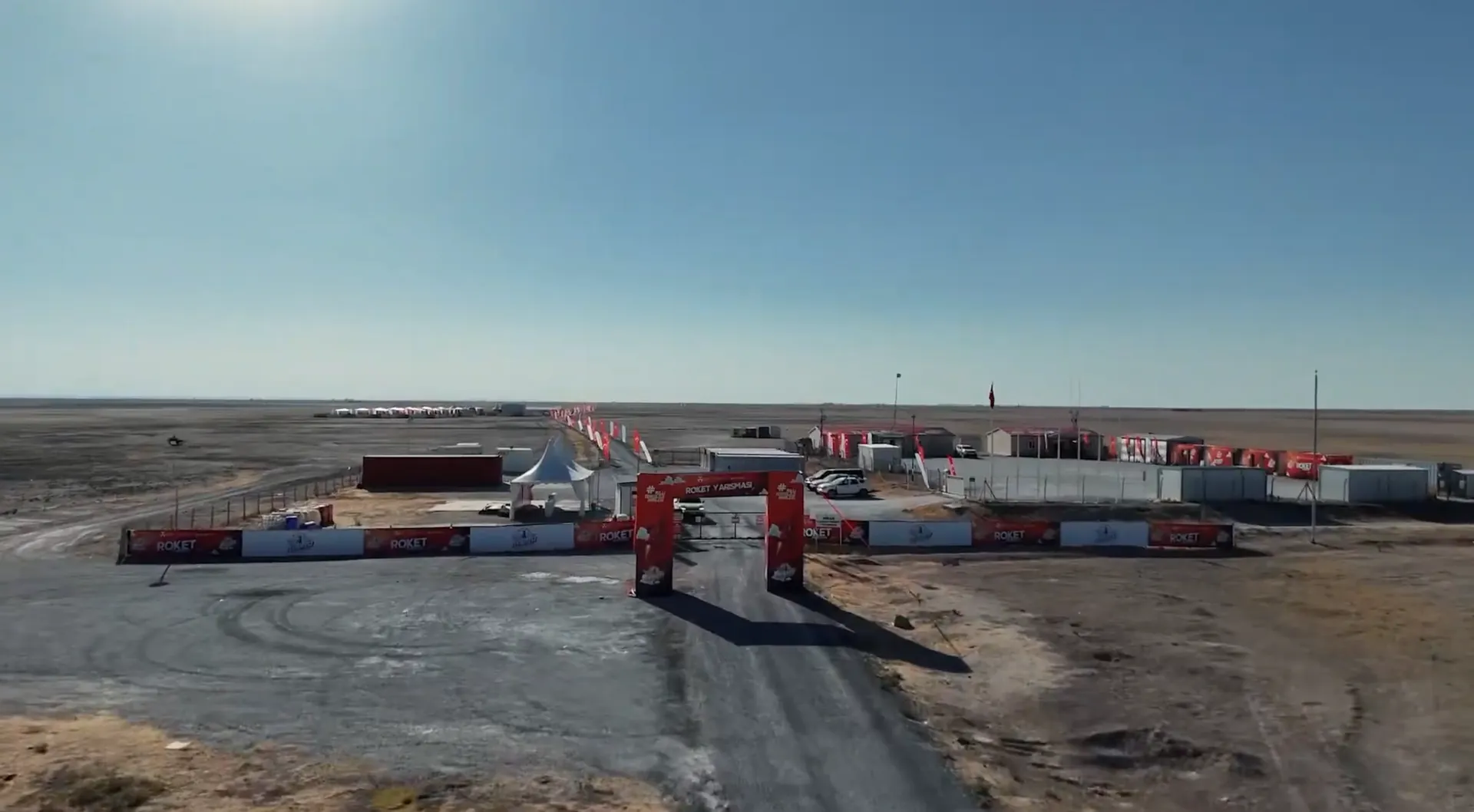
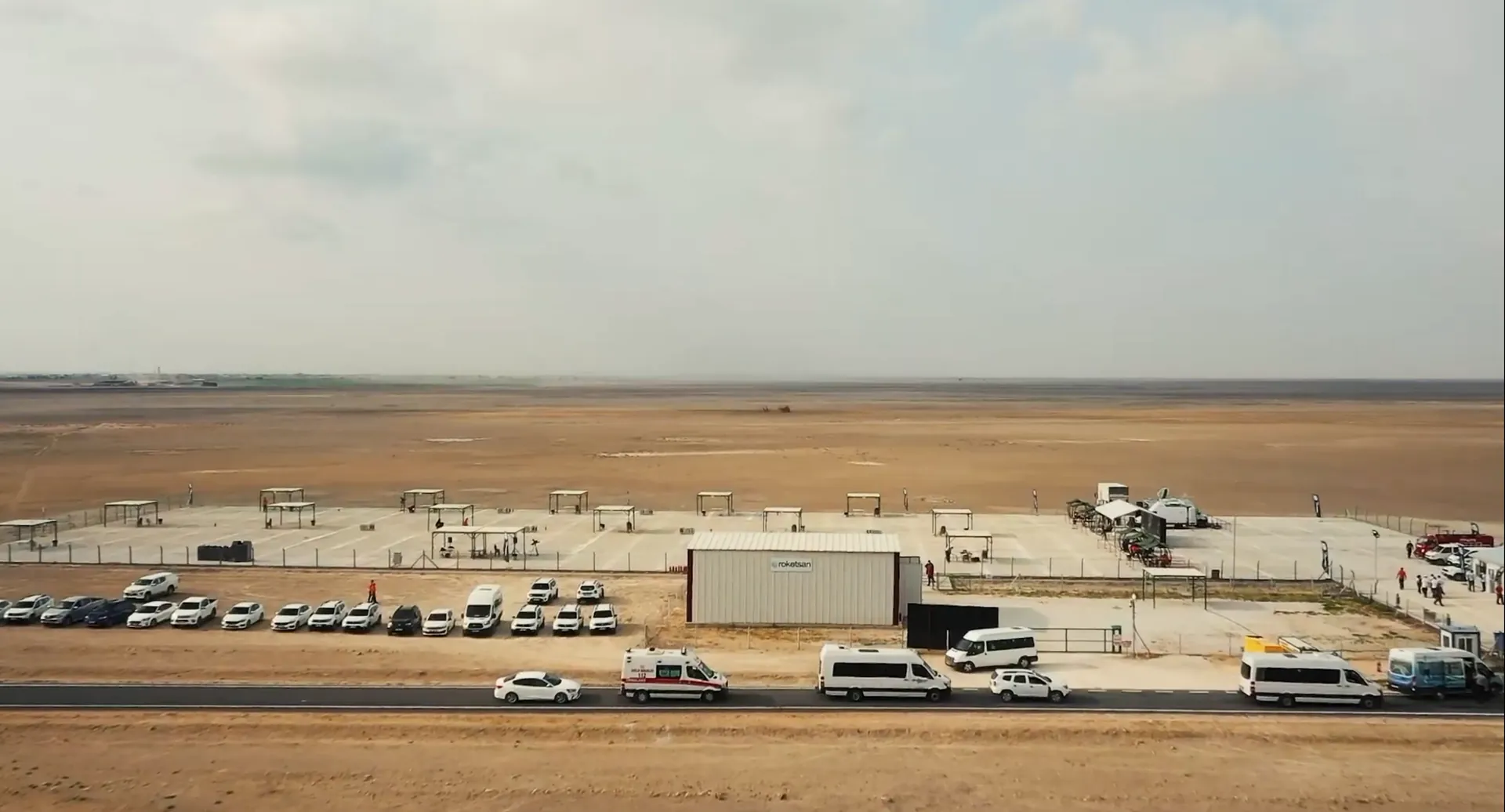
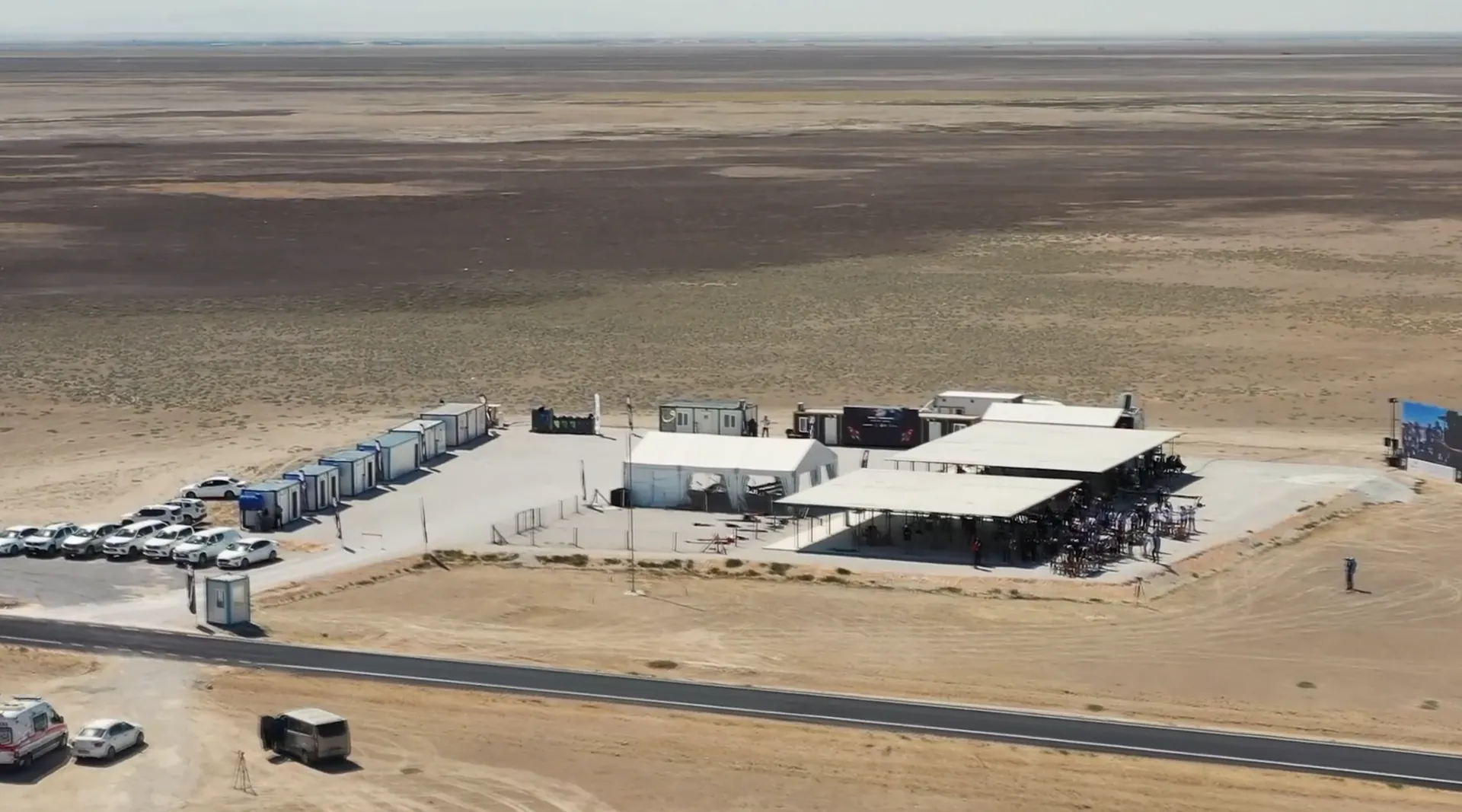
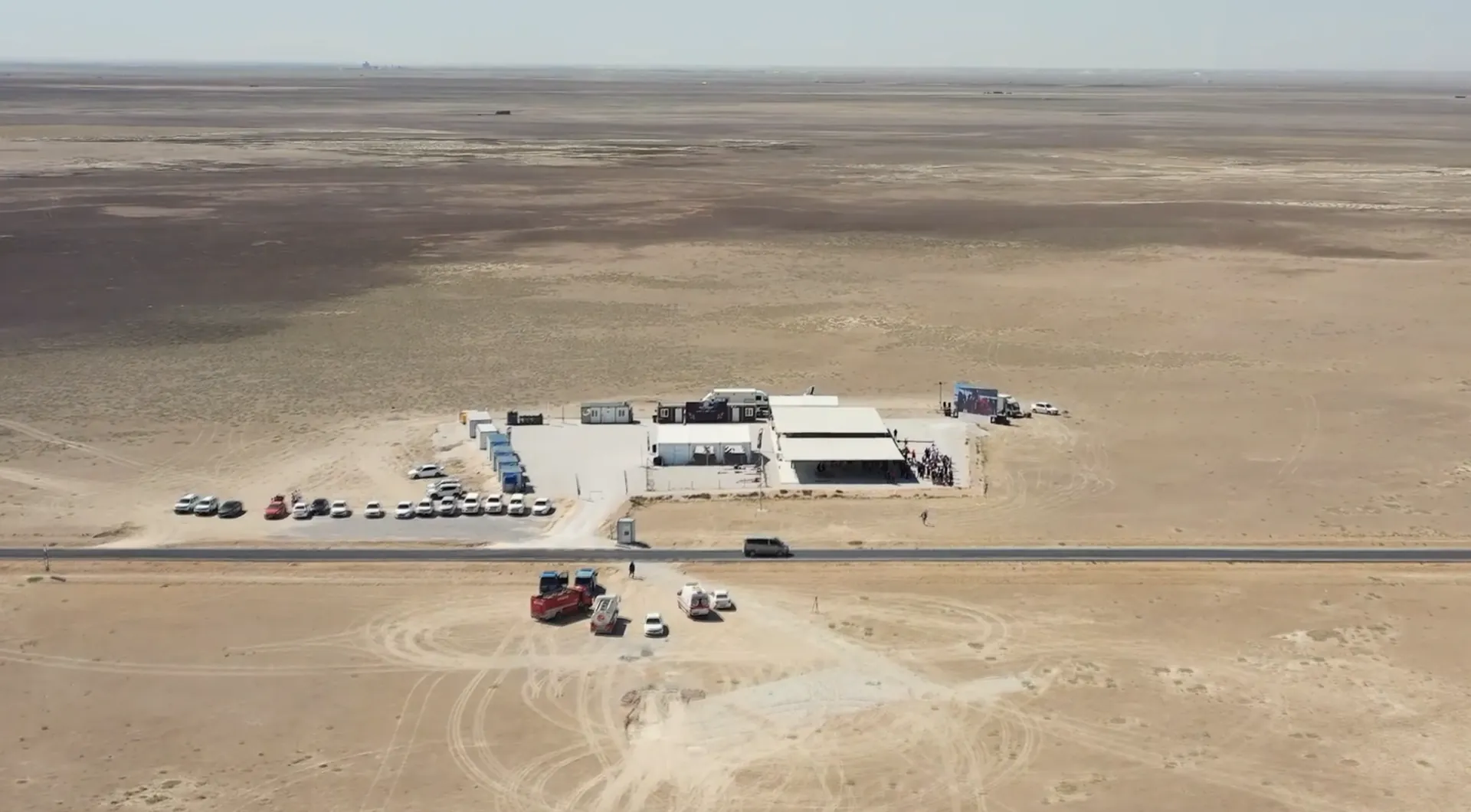
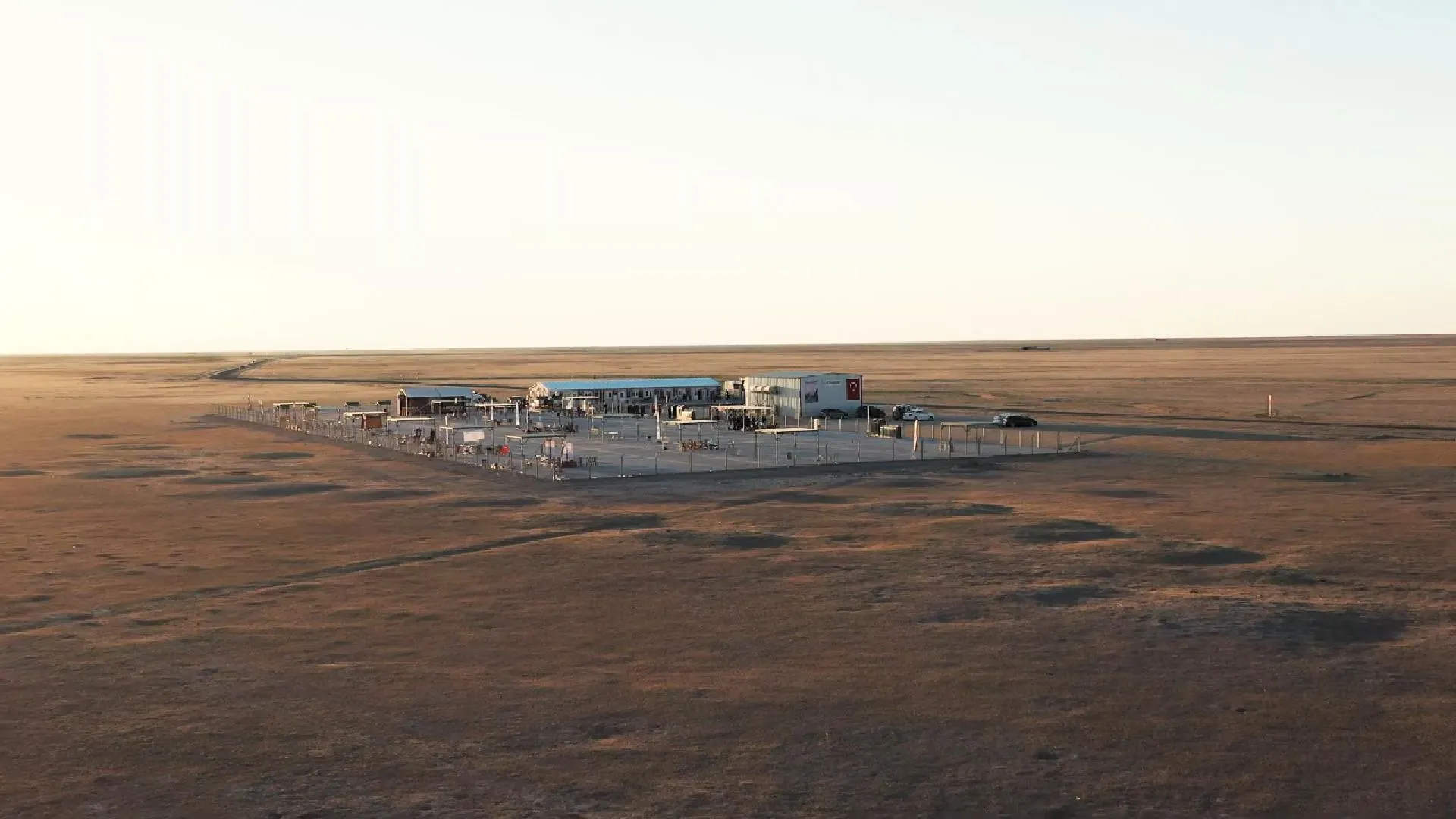
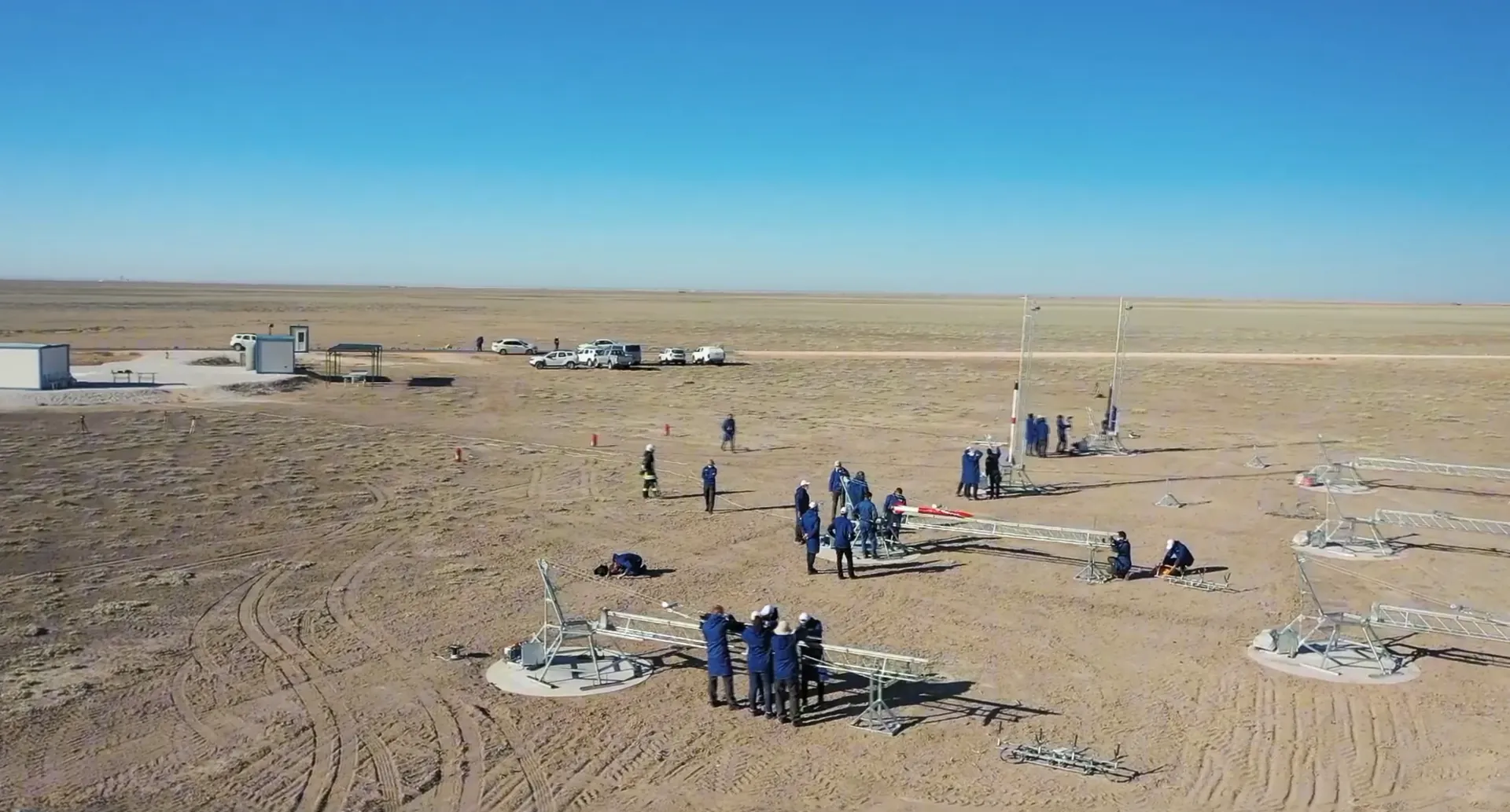
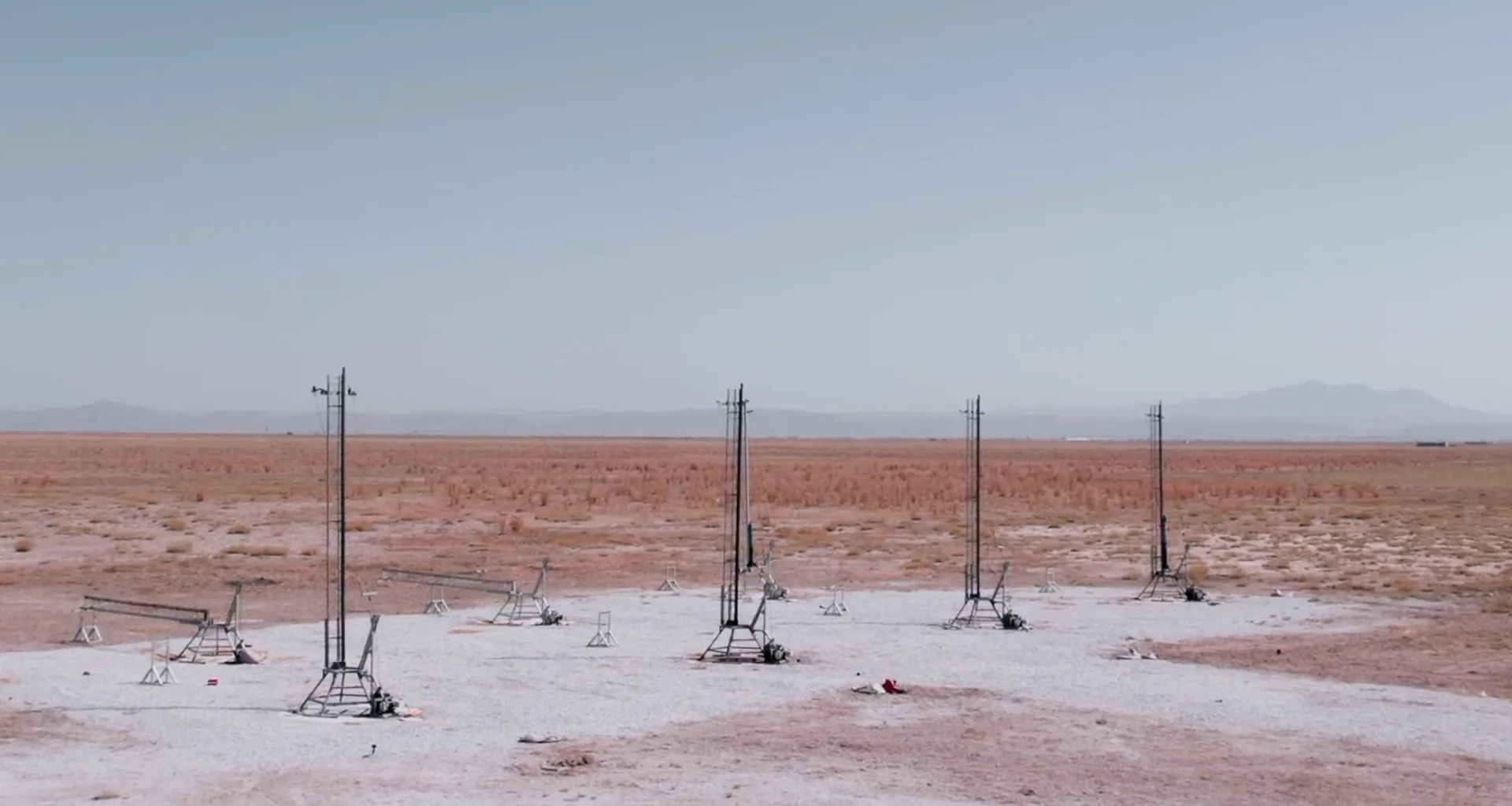
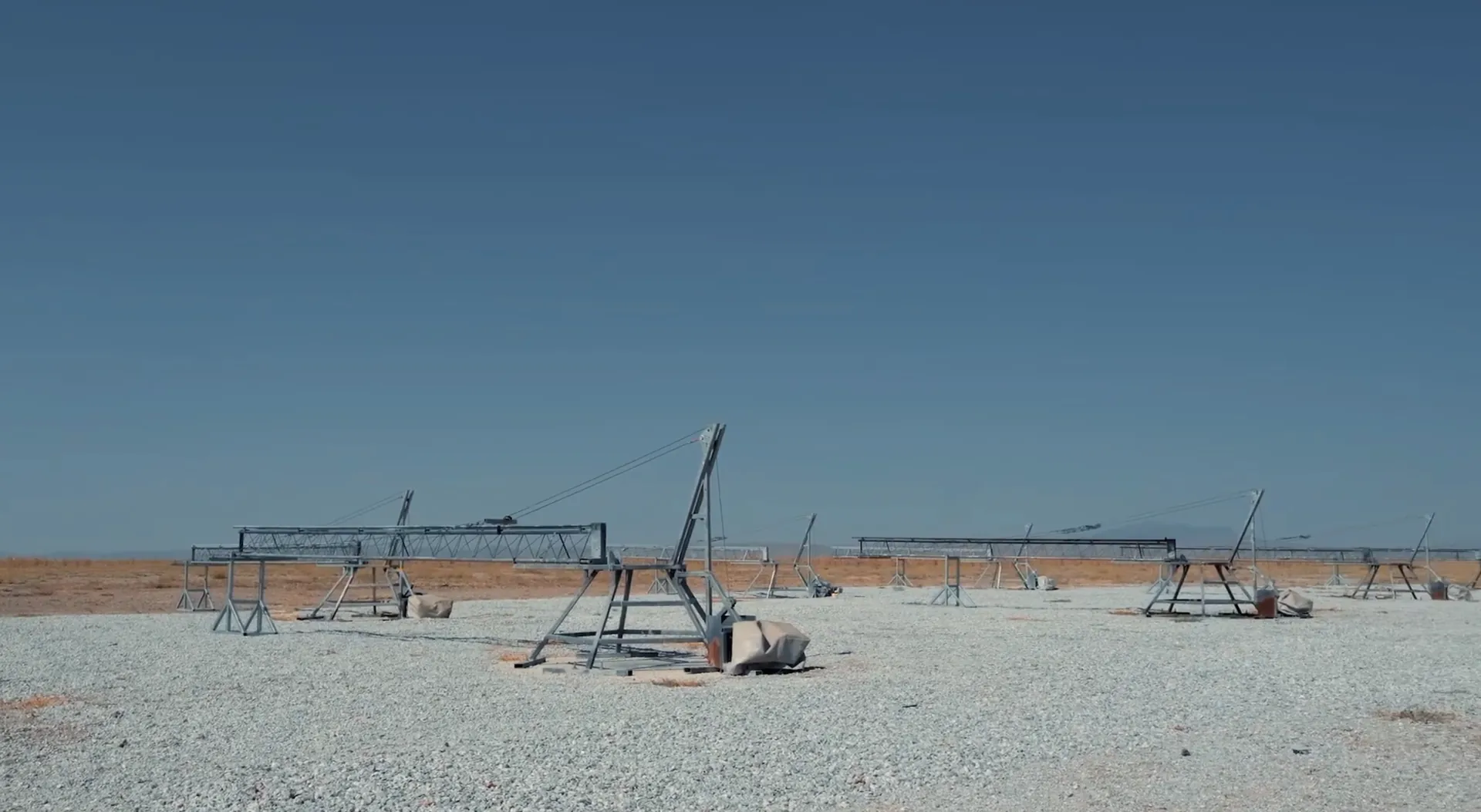
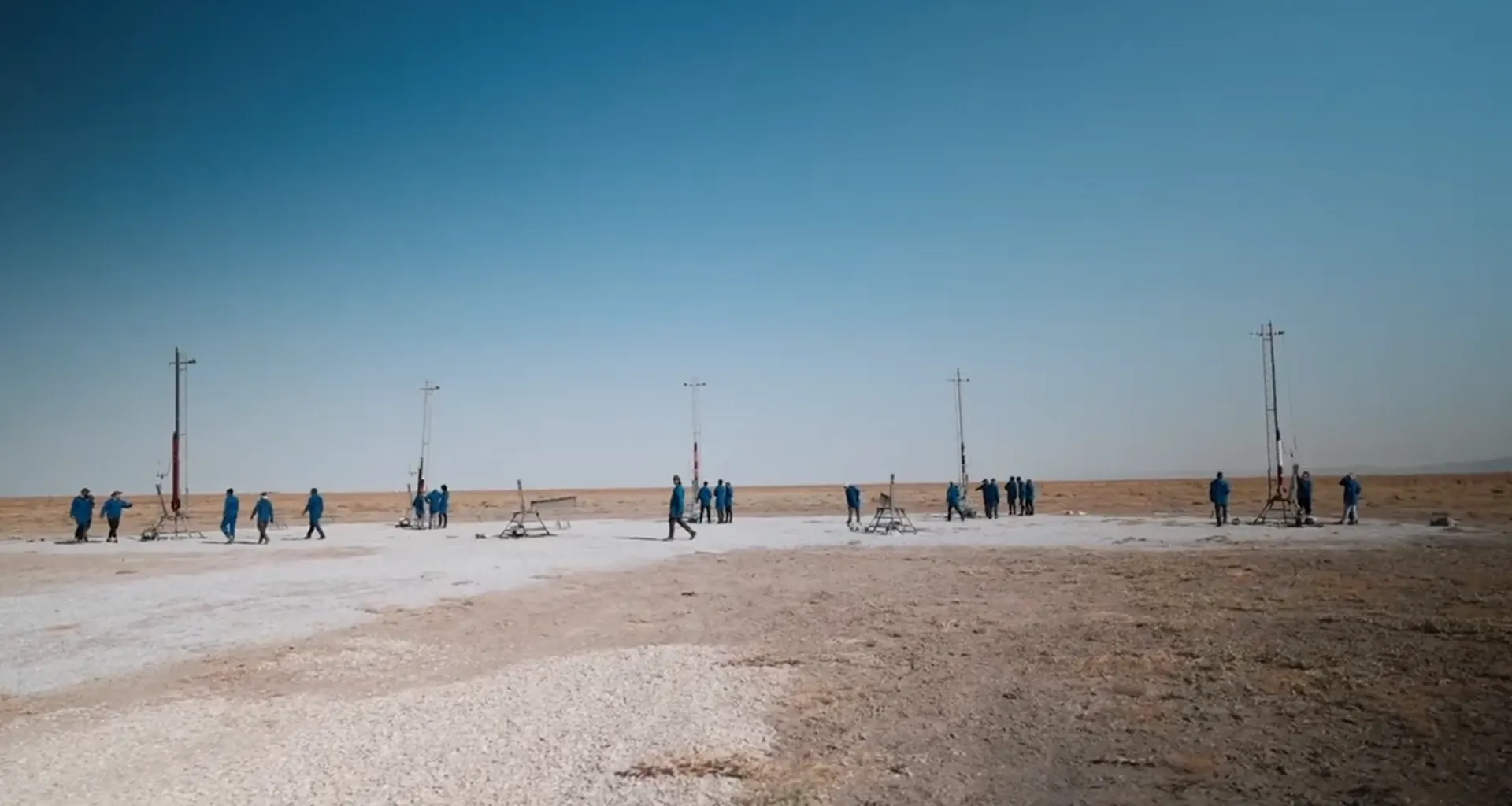
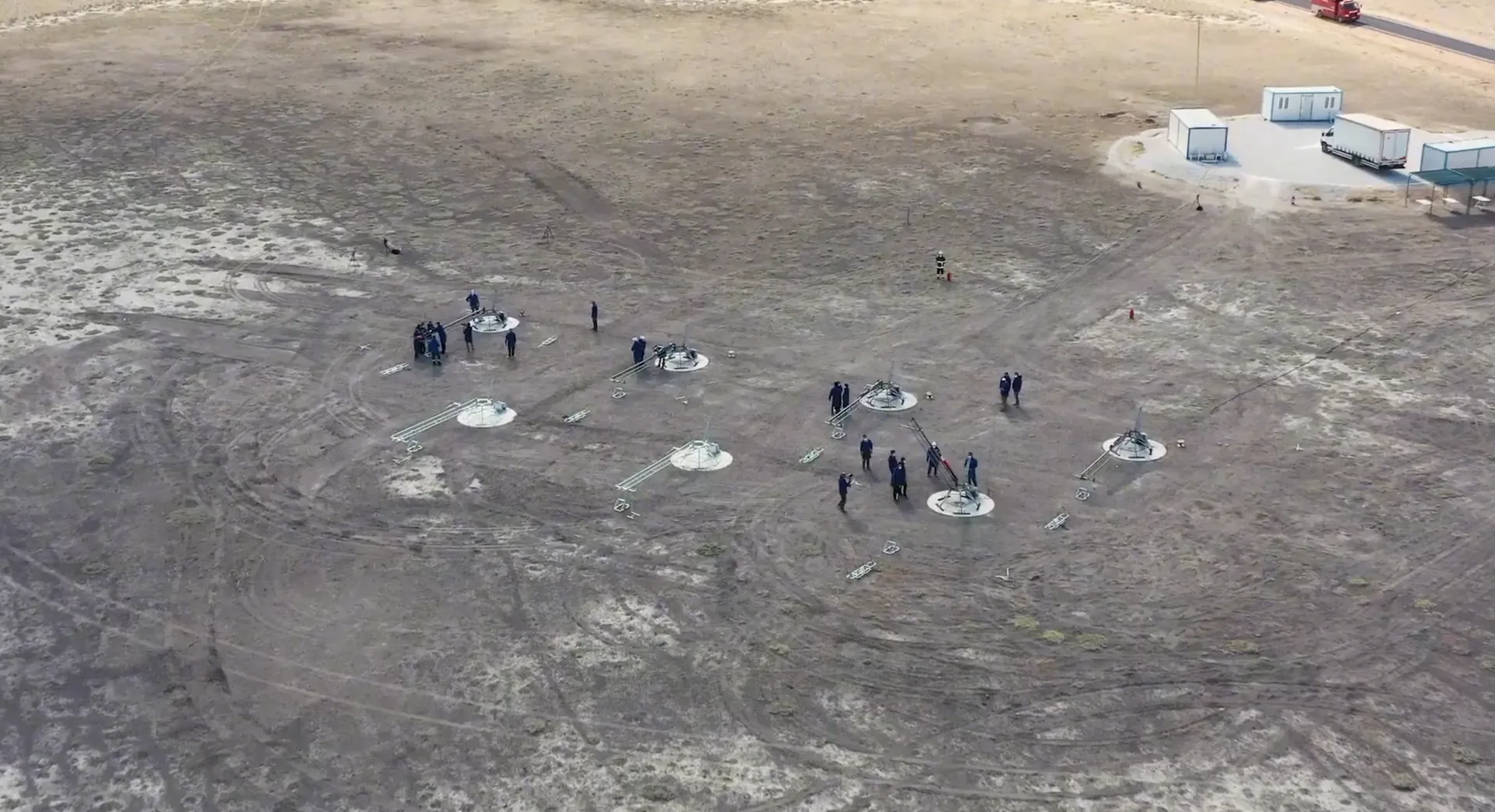
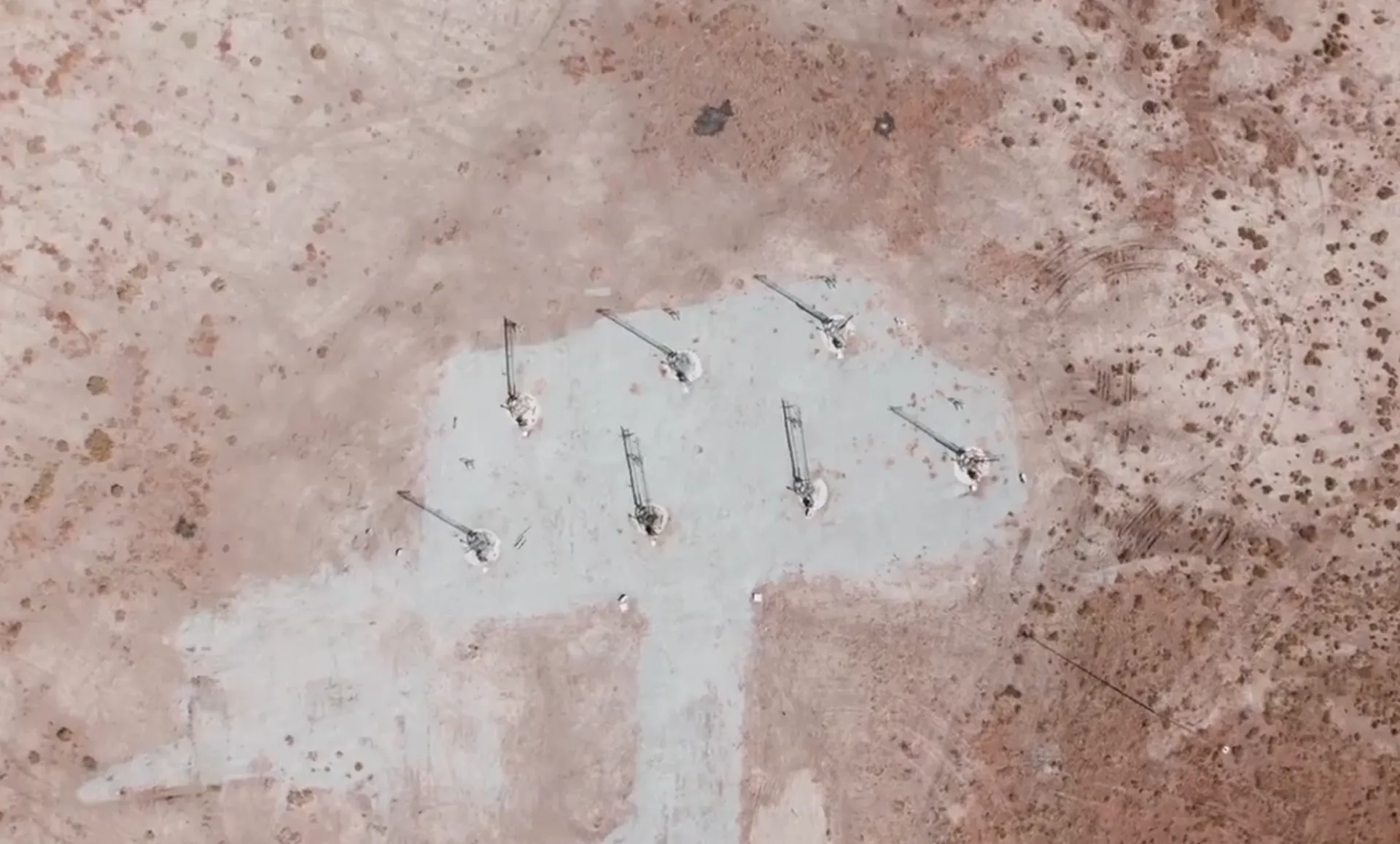
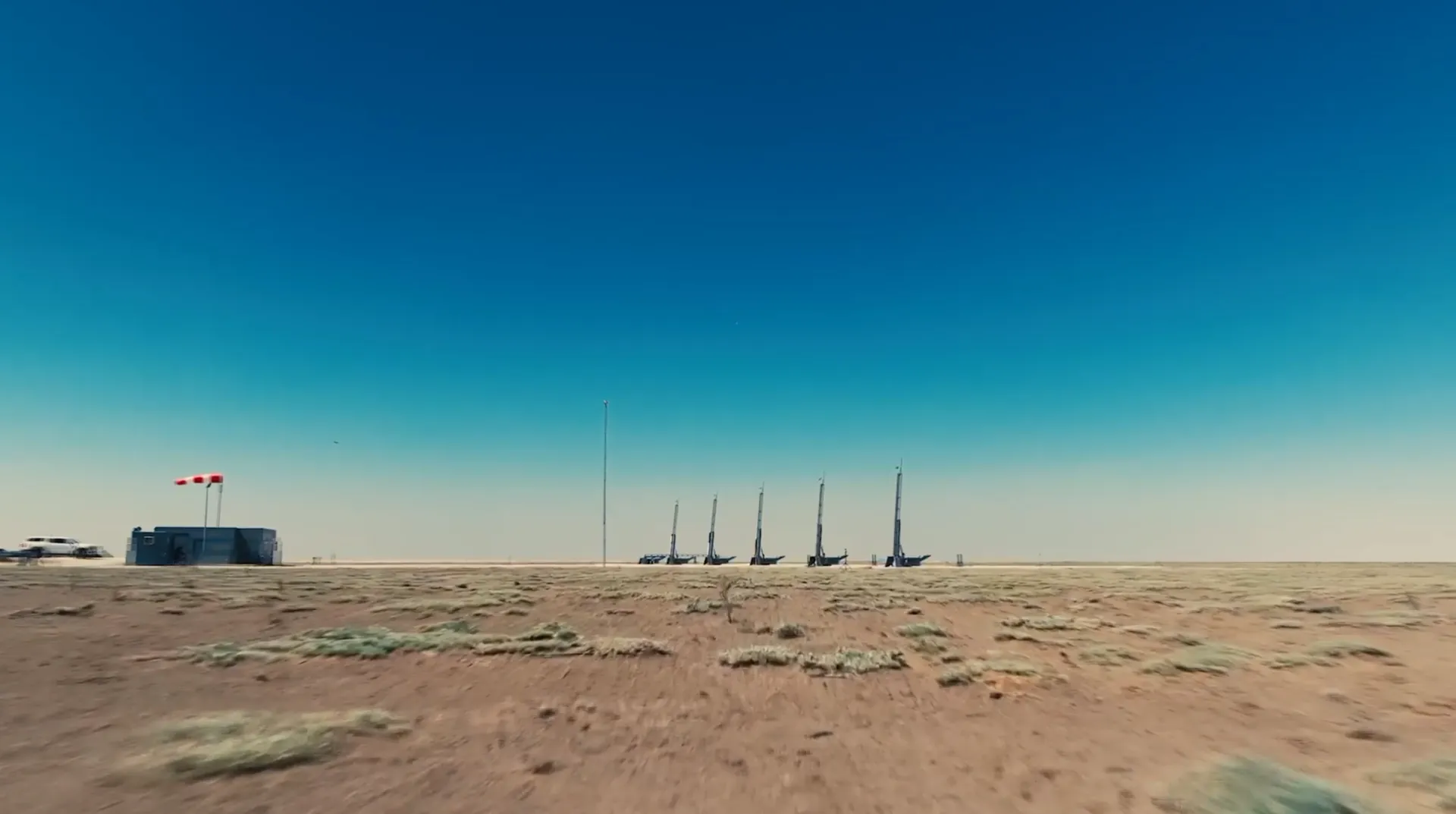
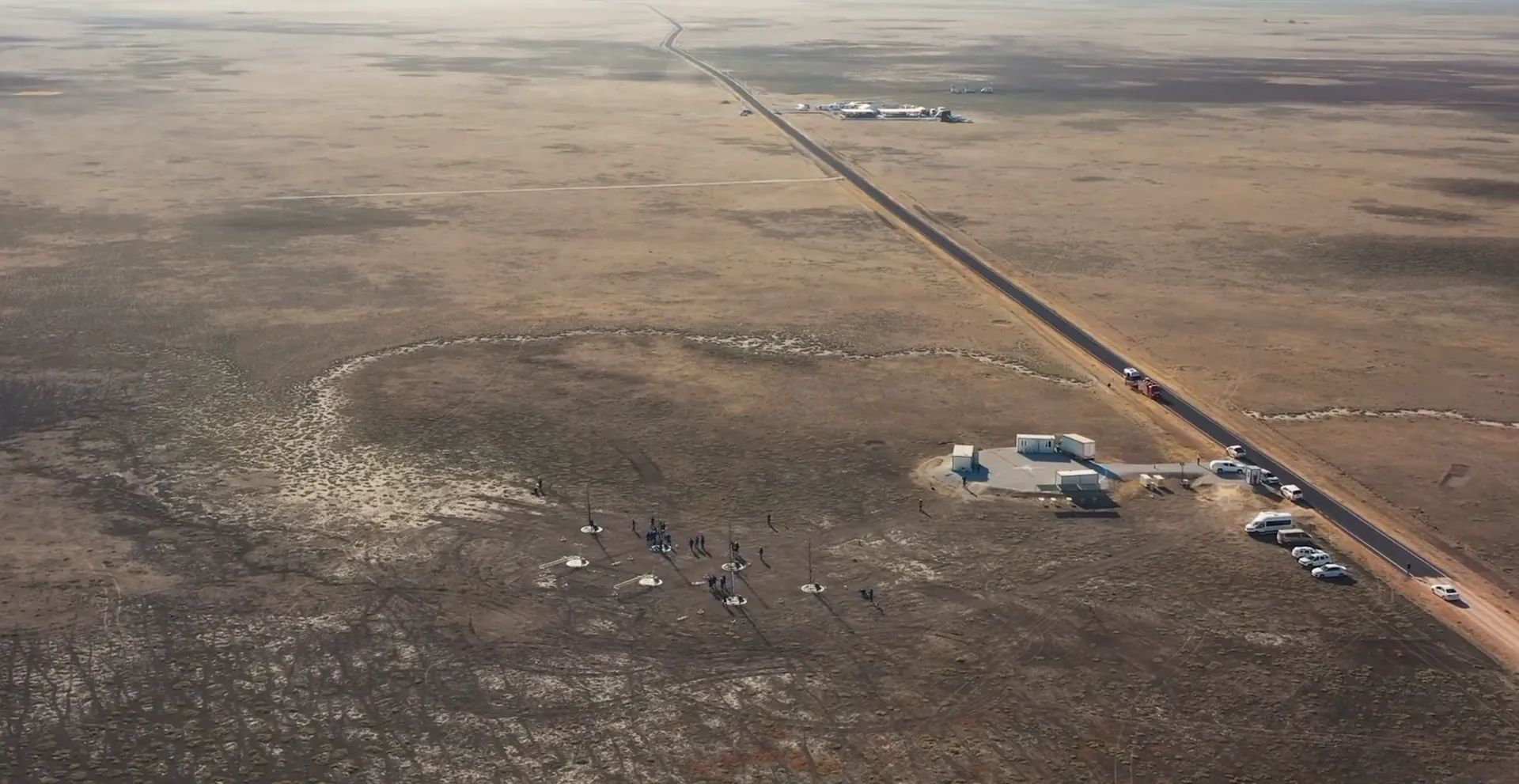
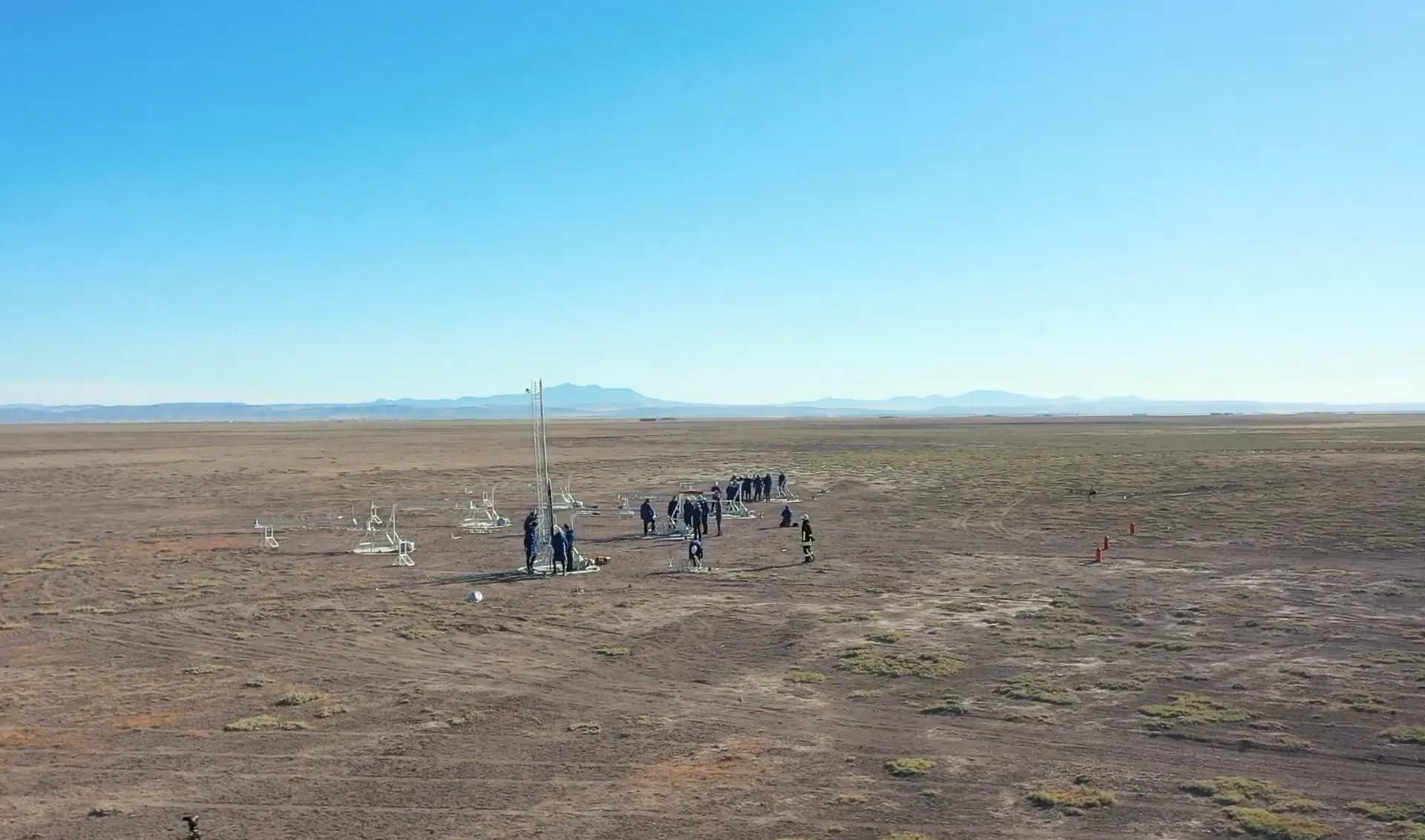
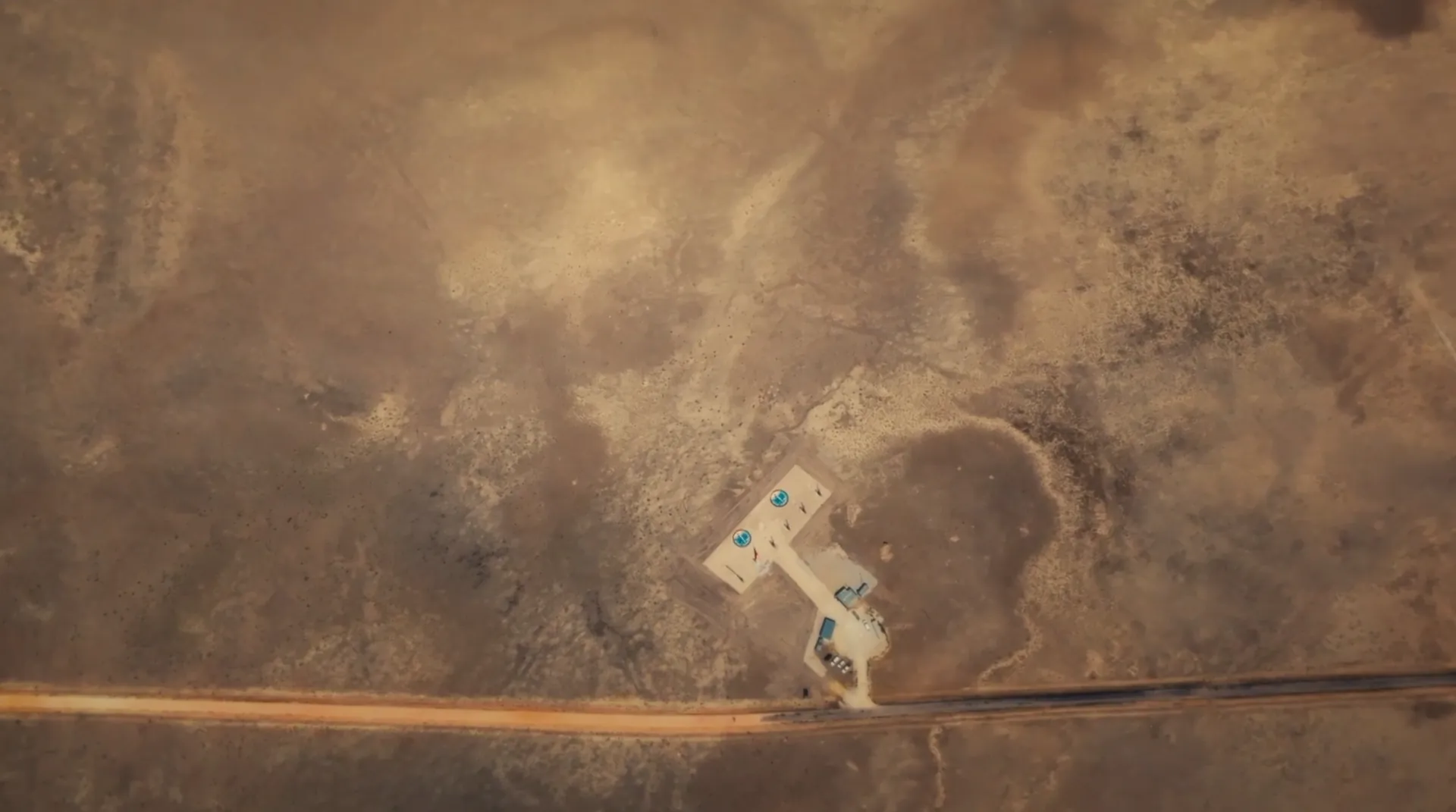
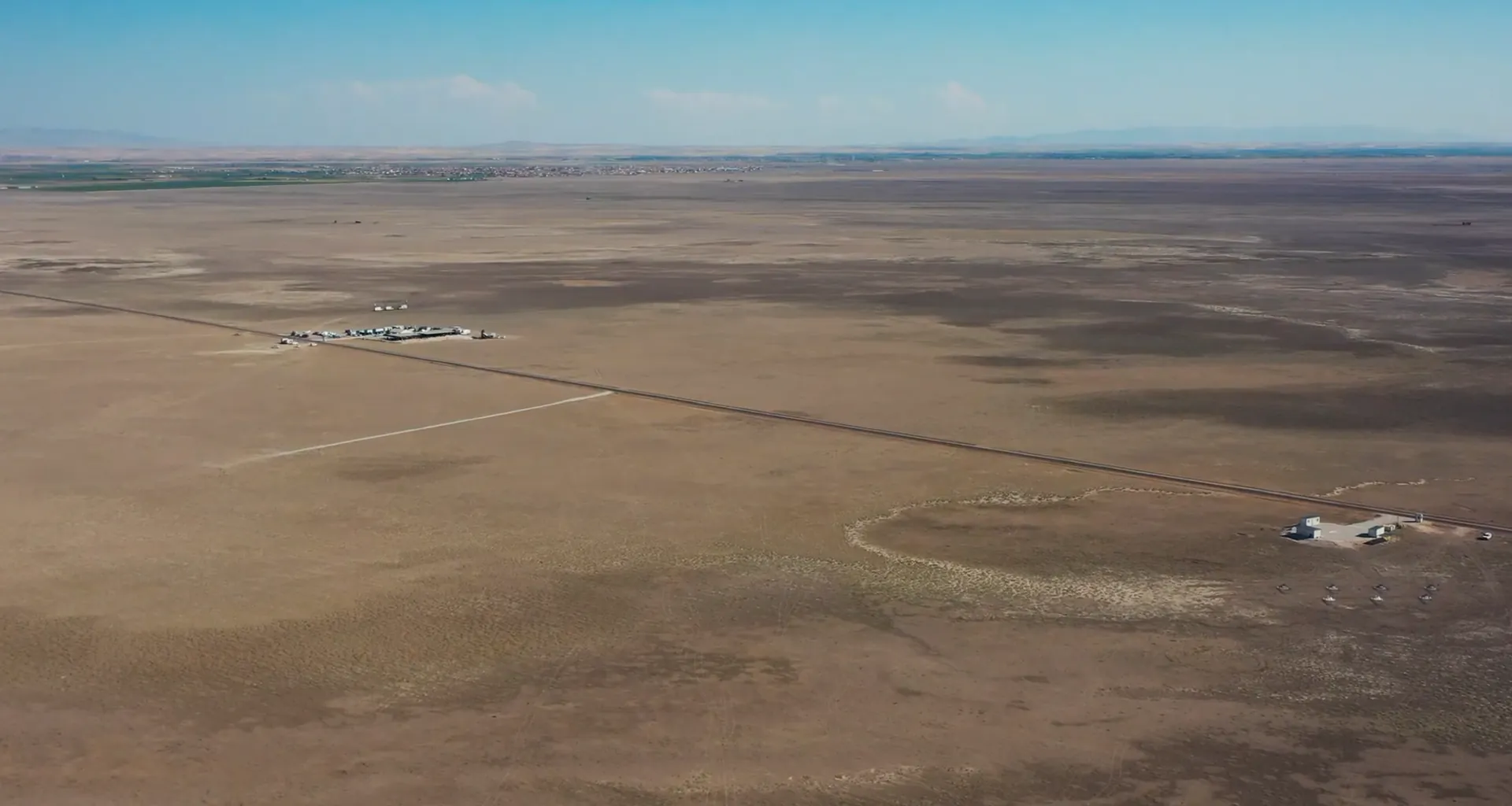
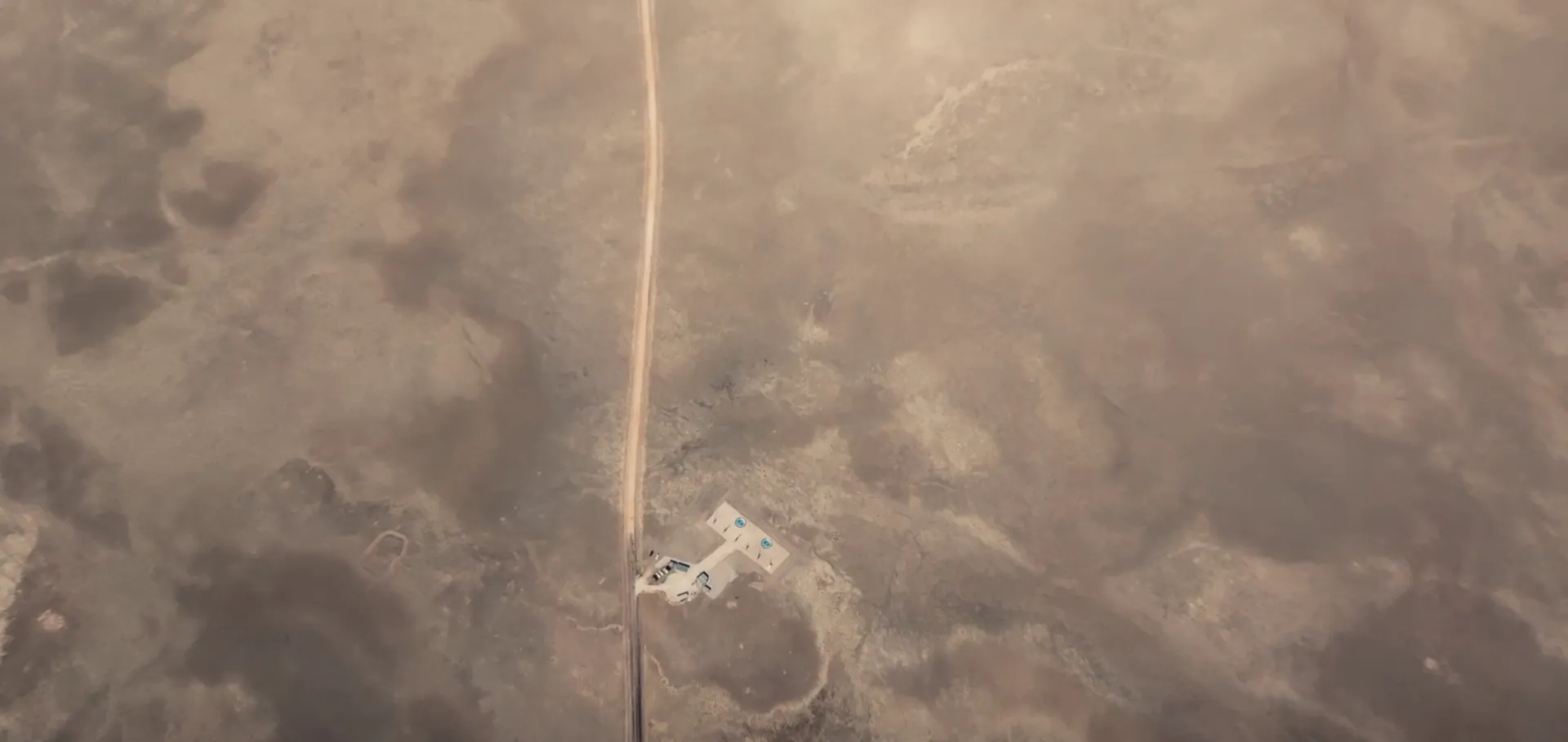
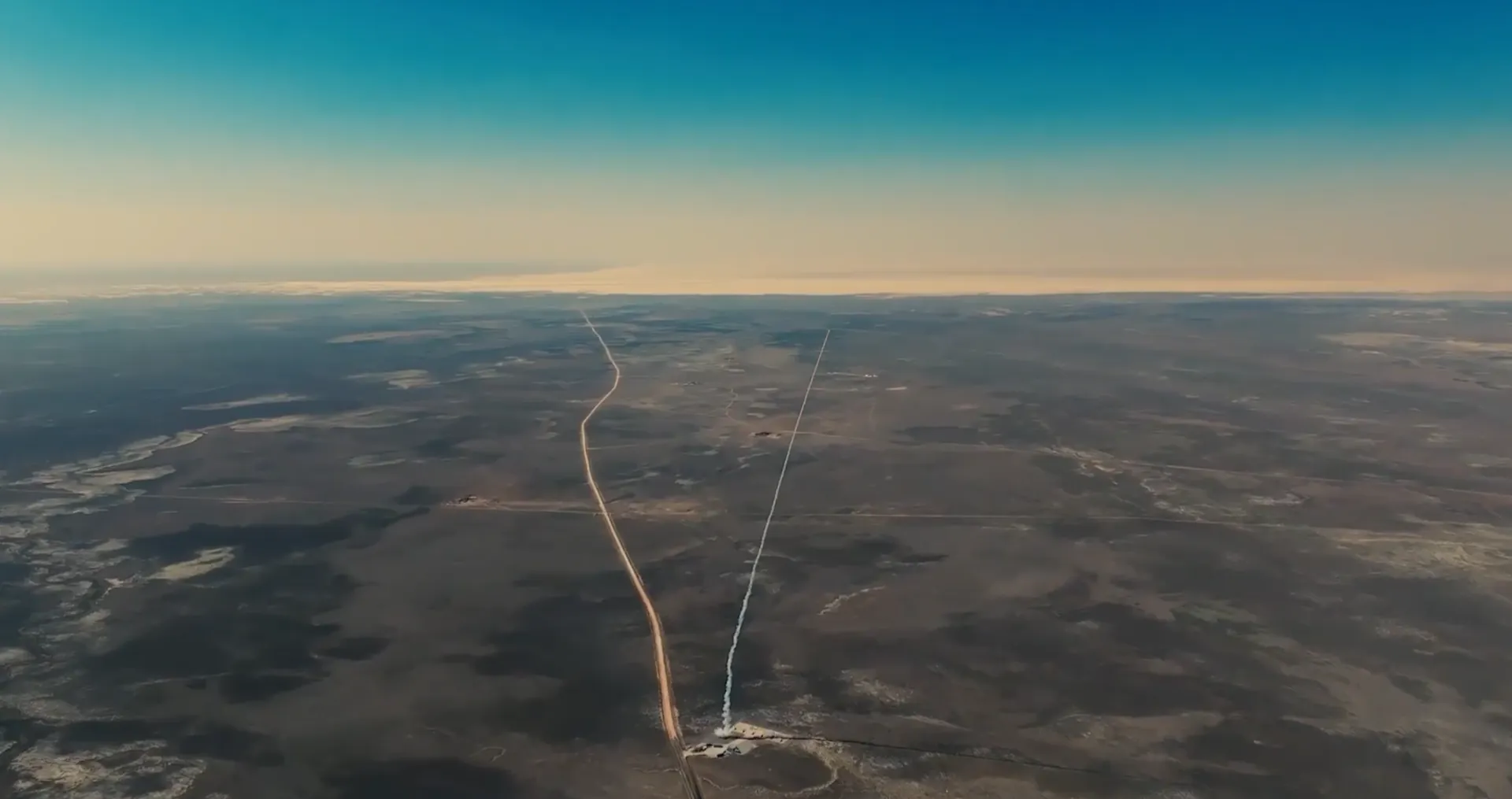
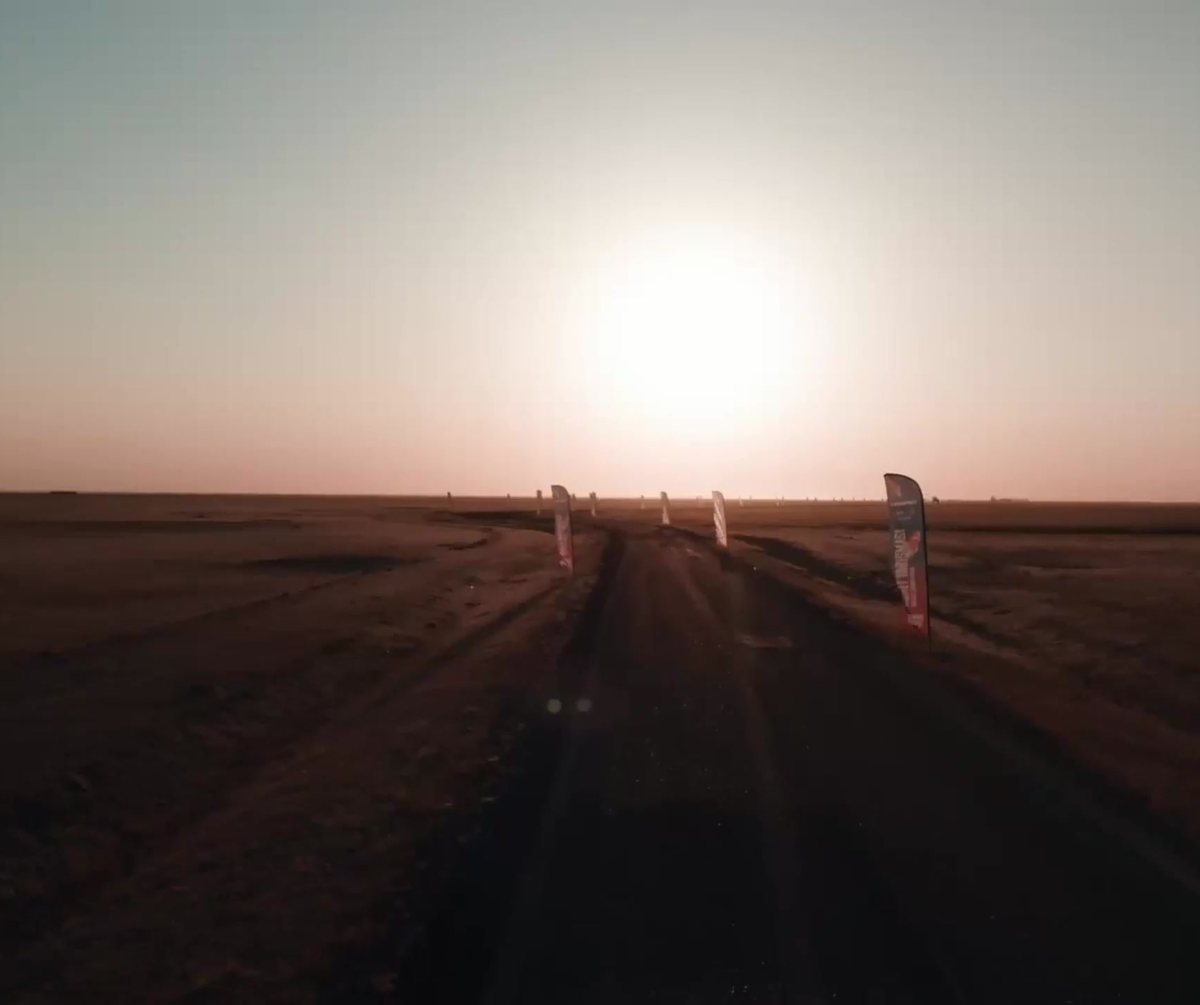
We fly our rockets at the launch site near Lake Tuz in Aksaray. We modelled the area in 3D from satellite imagery and elevation data, from the integration tent to the launch rail and on to the ground station. Drag to rotate, or pick a point to look closer.
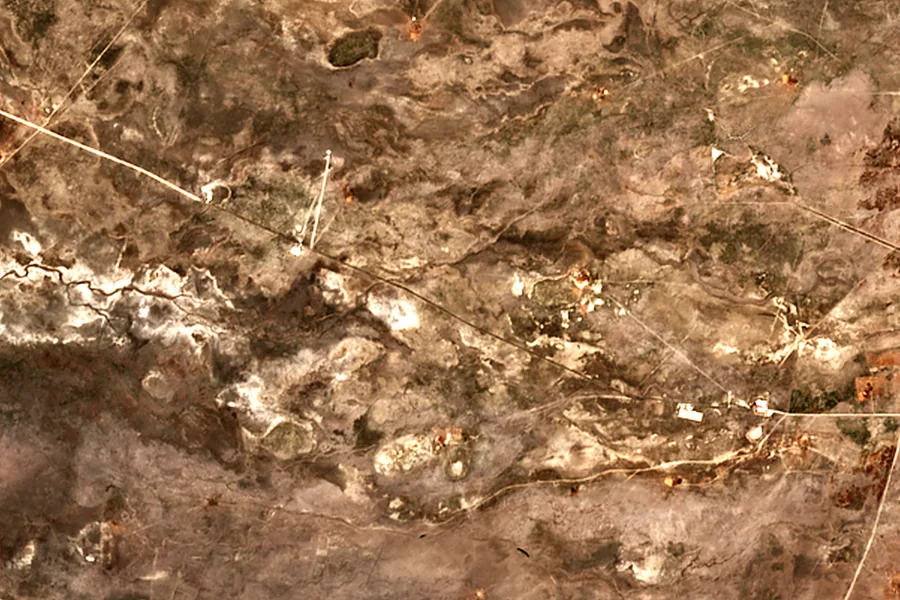 713 m2.9 km
Drag to rotate · Ctrl + wheel to zoomDrag to rotate · Pinch to zoom
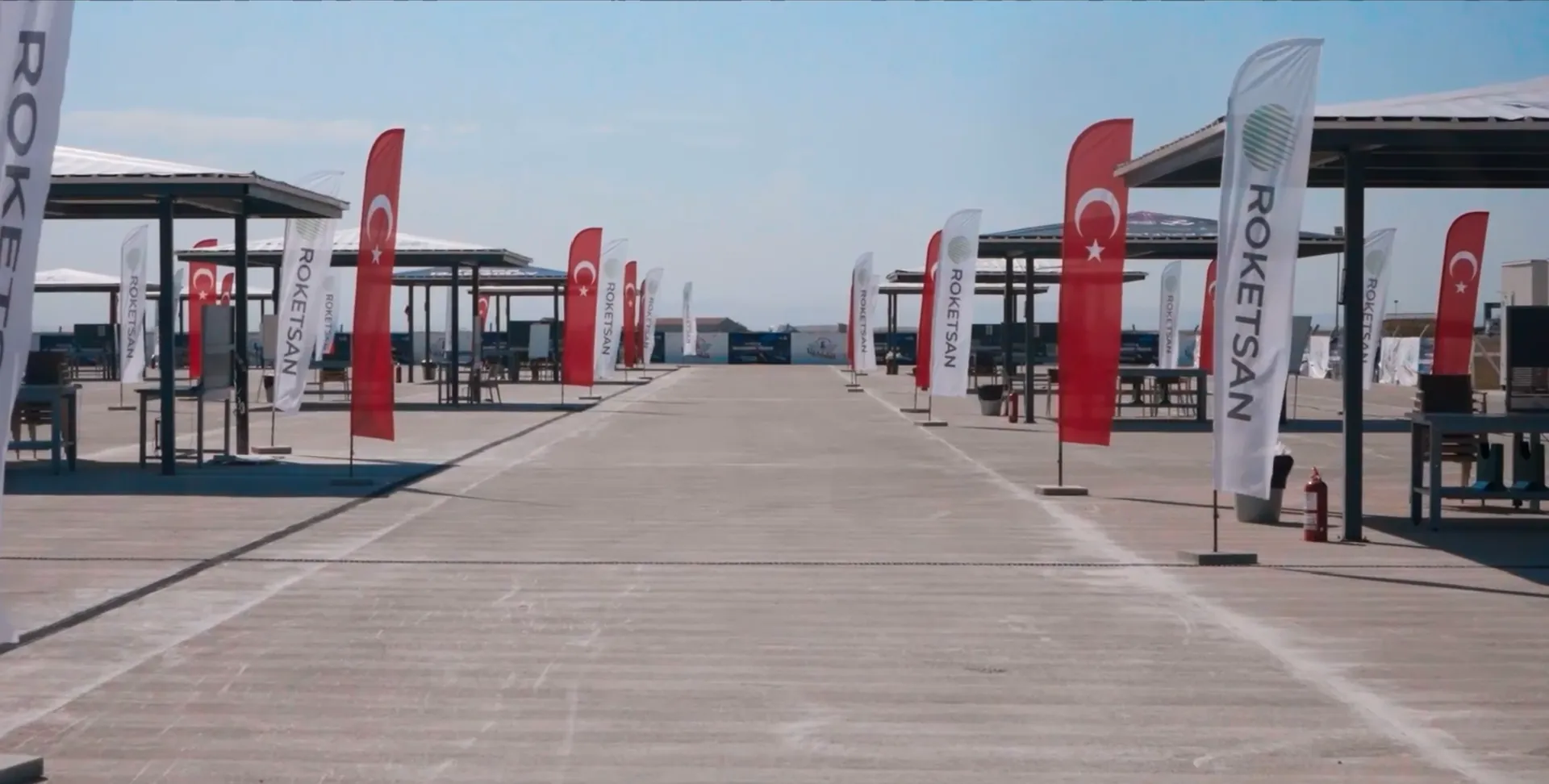
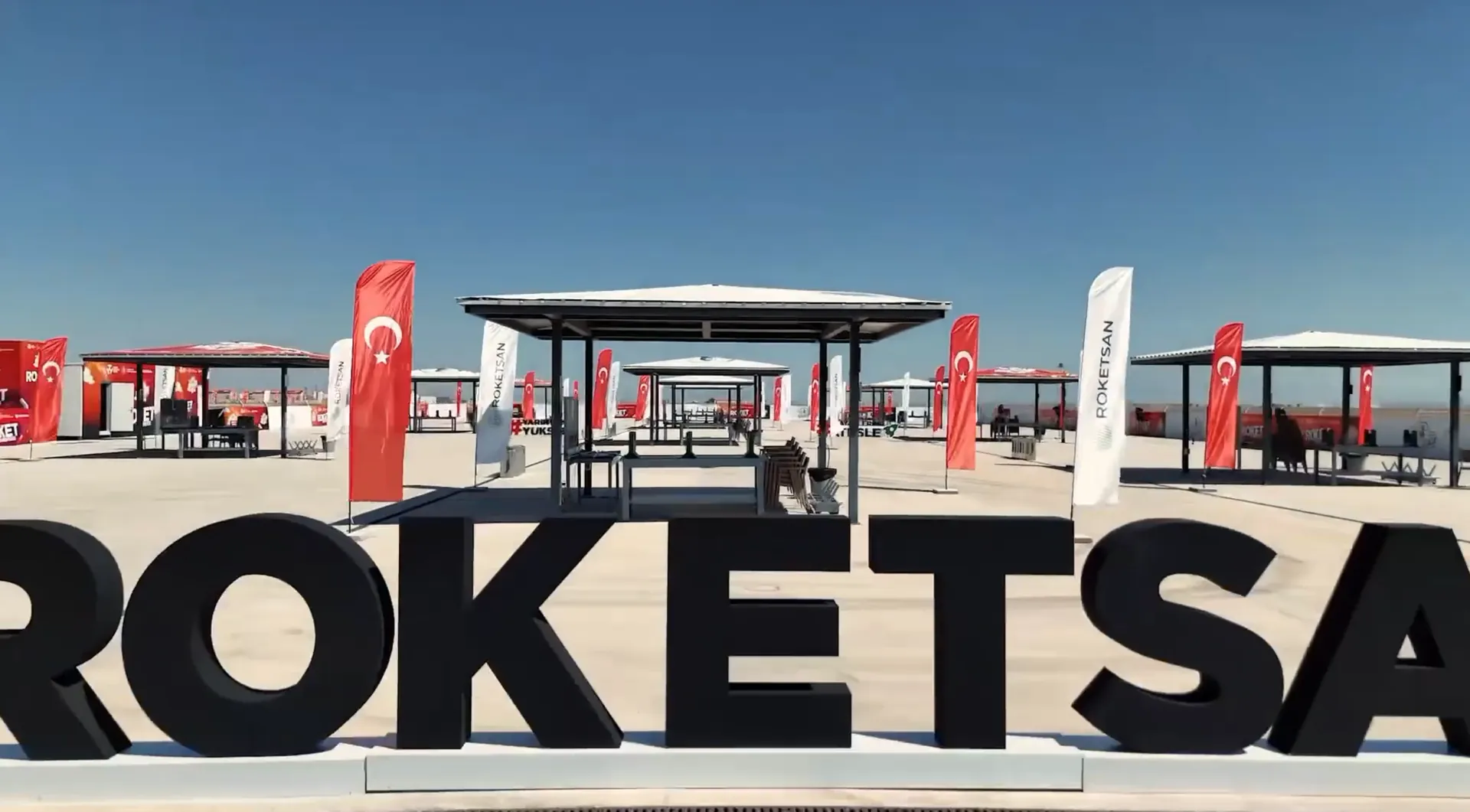
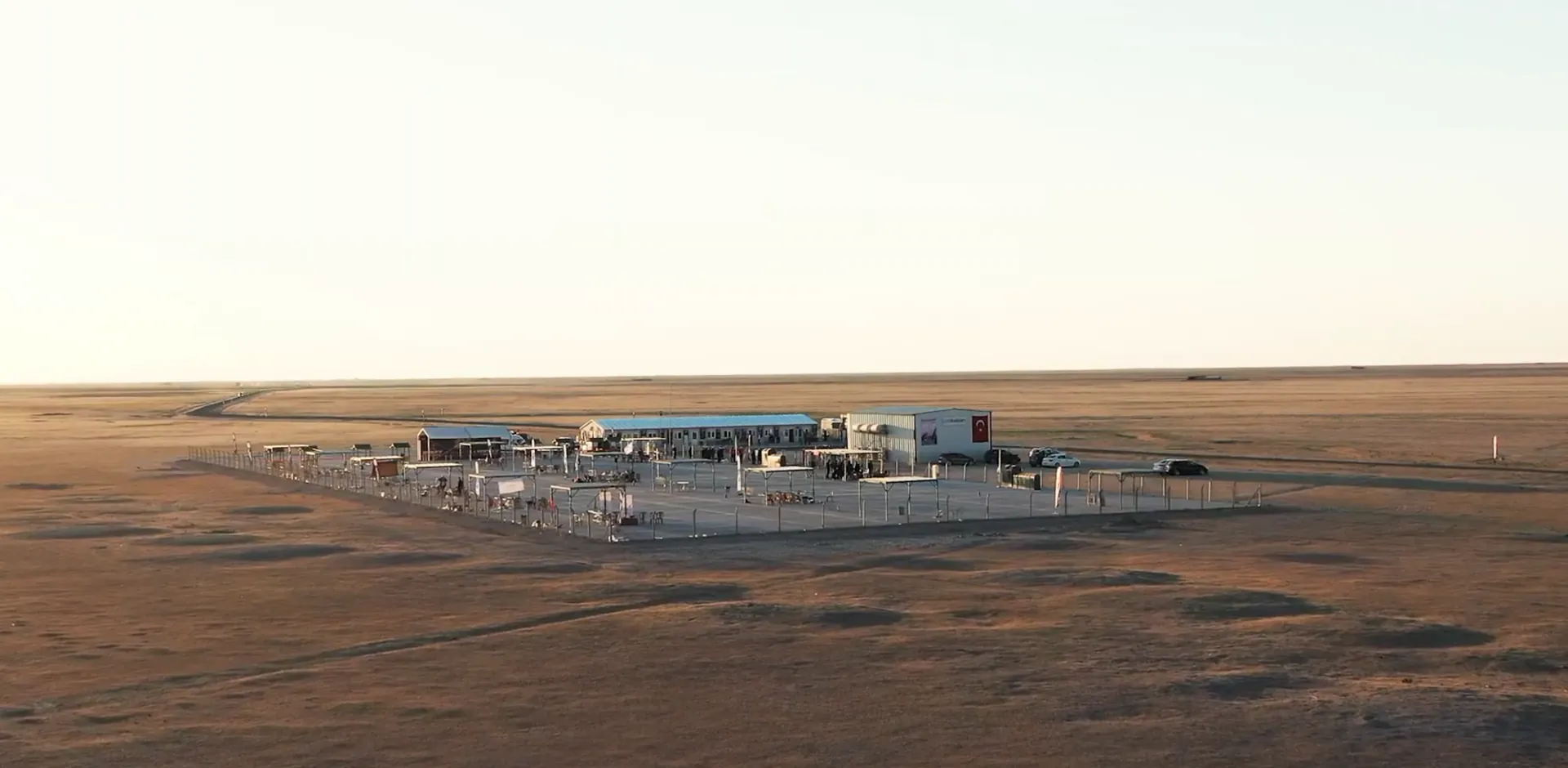
The concrete platform where teams assemble their rockets one last time in their tents, pass pre-launch checks and wait for their launch slot.
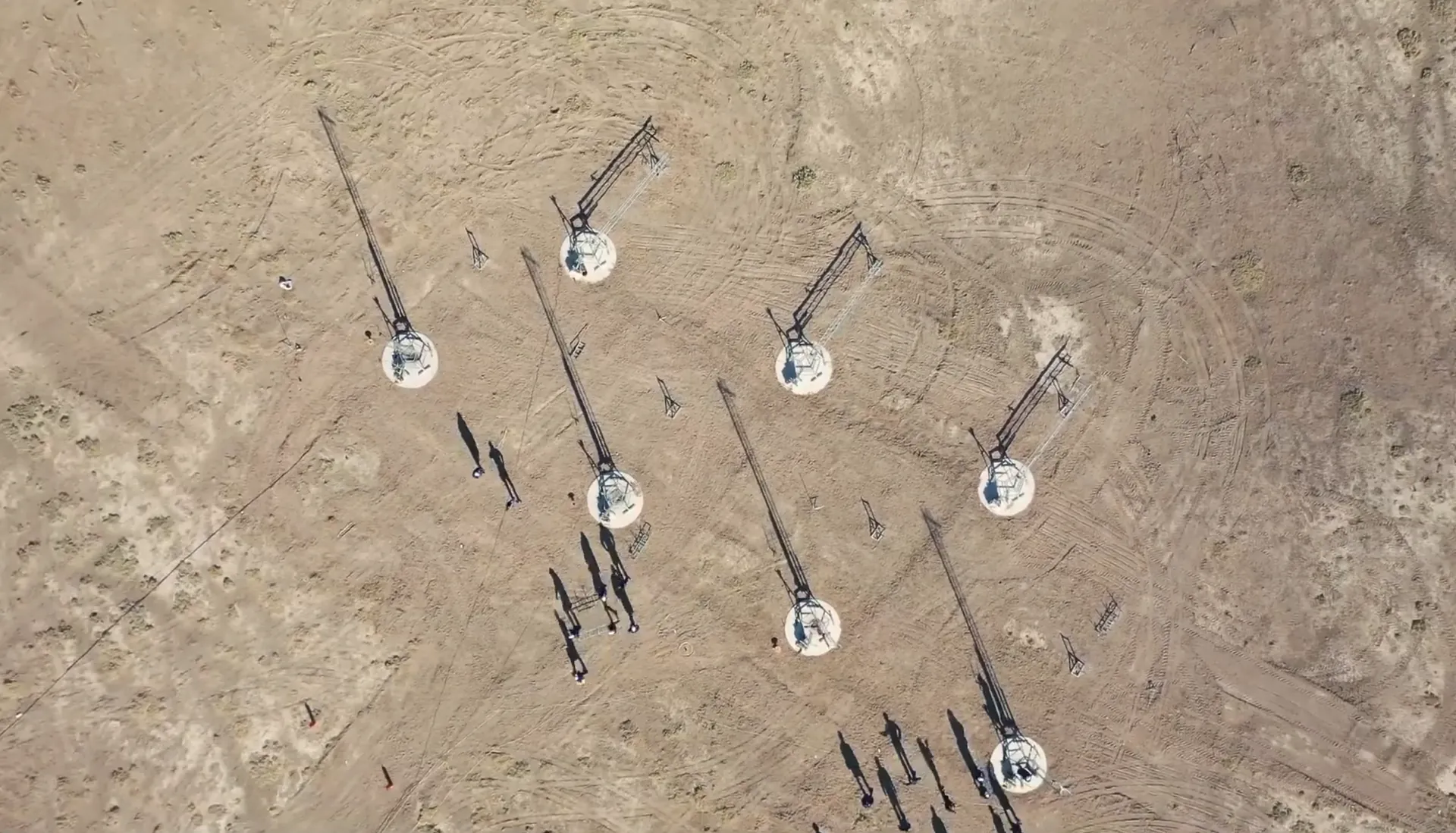
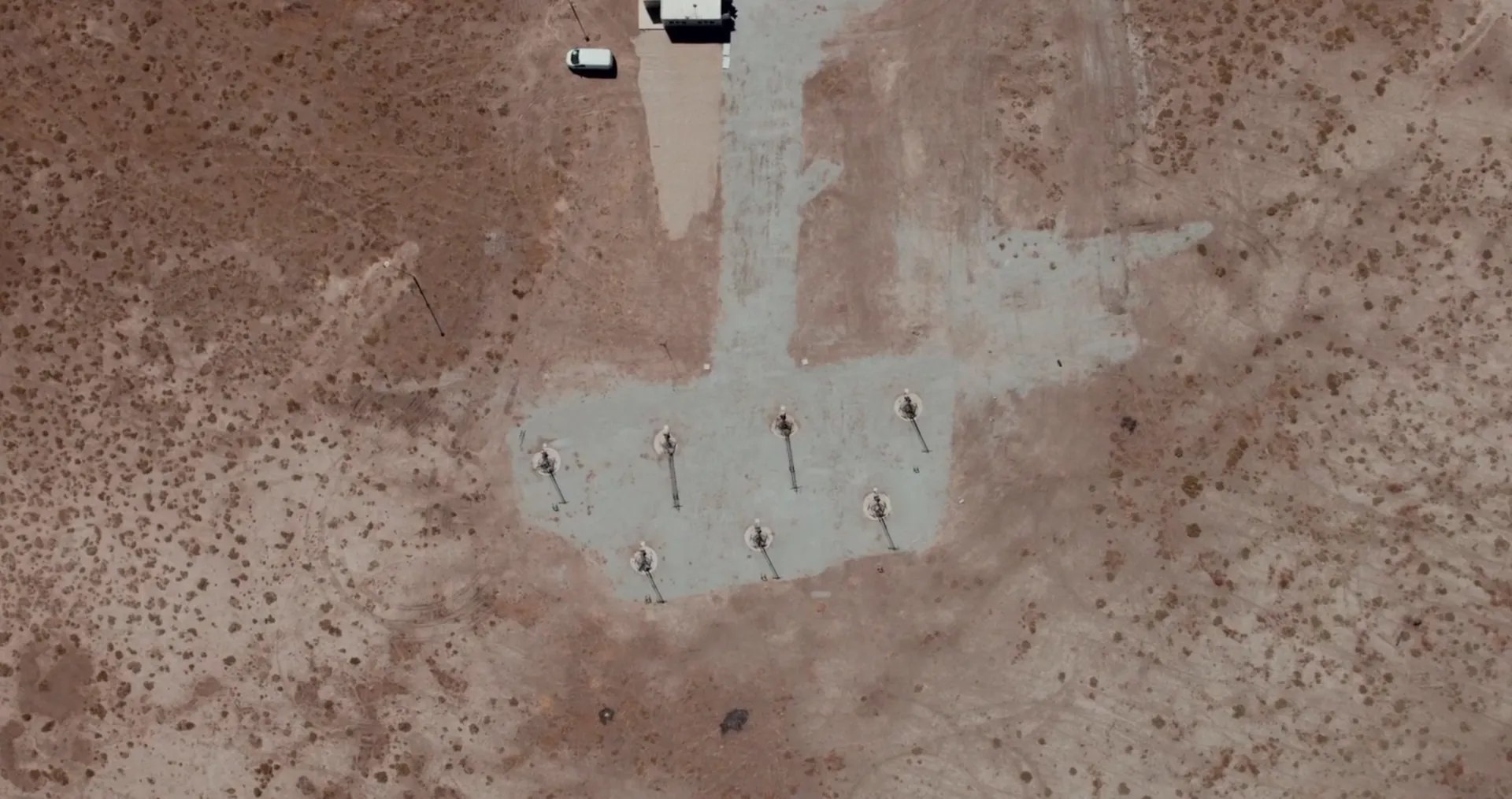
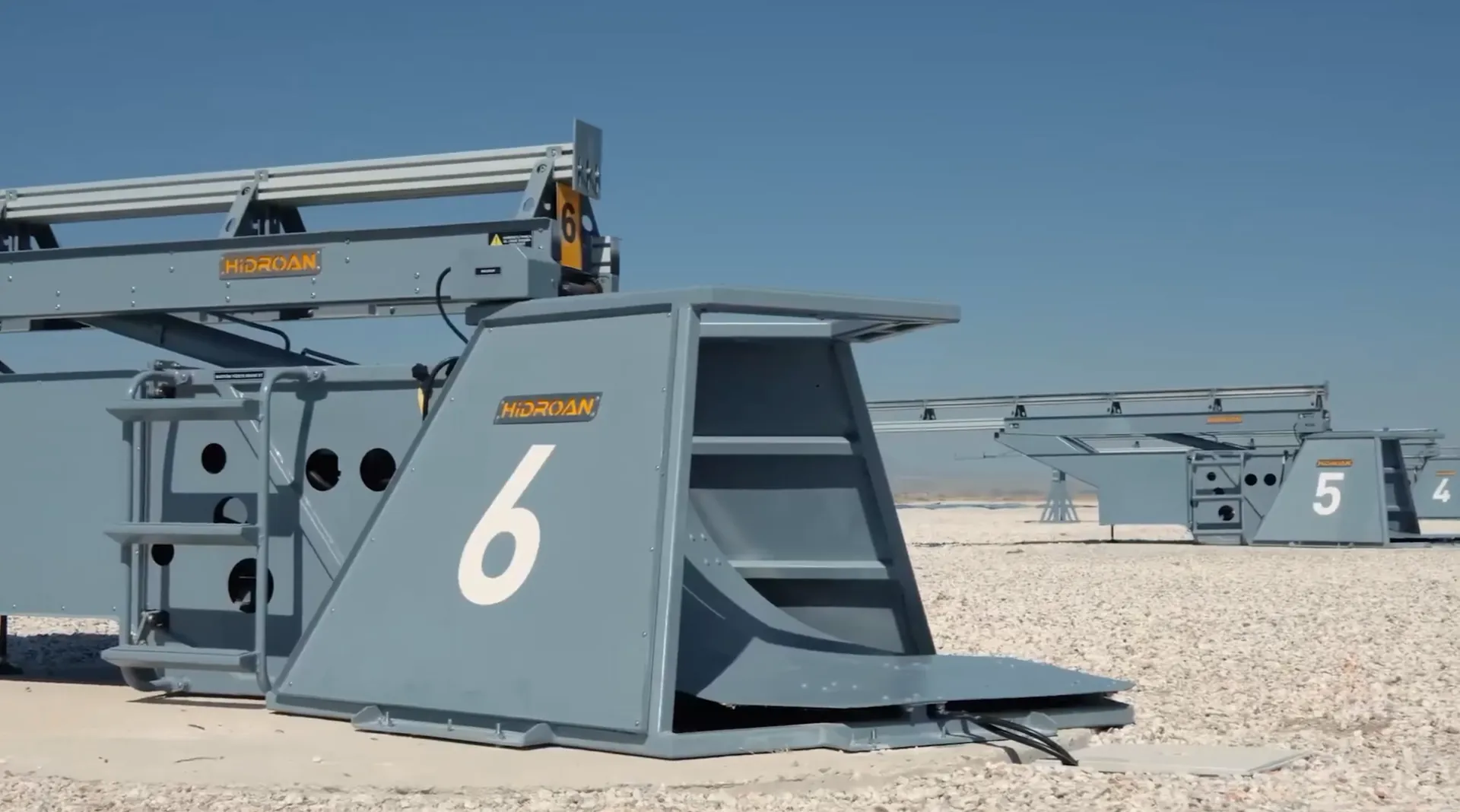
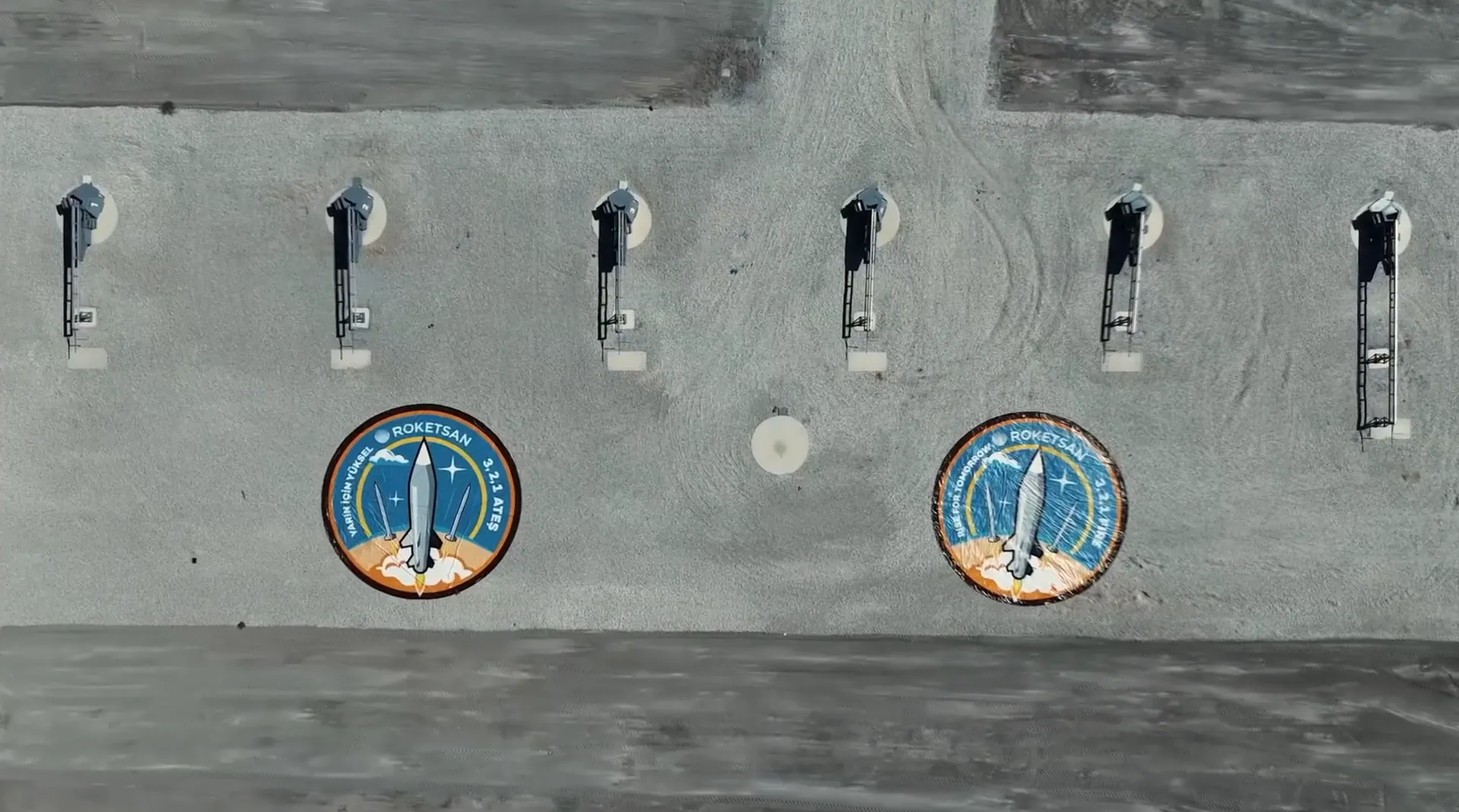
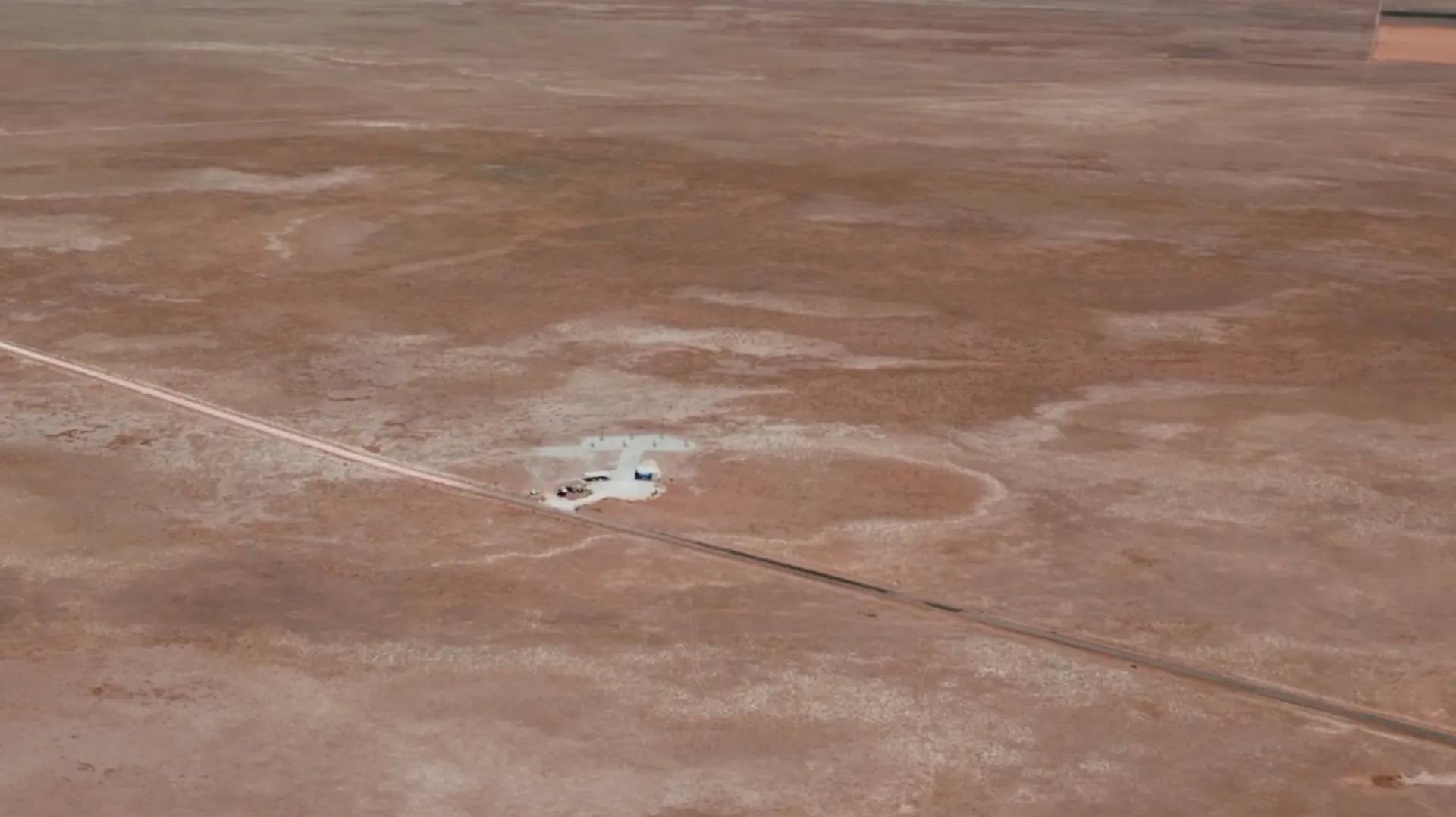
Open in Google MapsWhere the rocket is loaded onto the rail and ignited. It lies 3.6 km from the integration area as the crow flies.
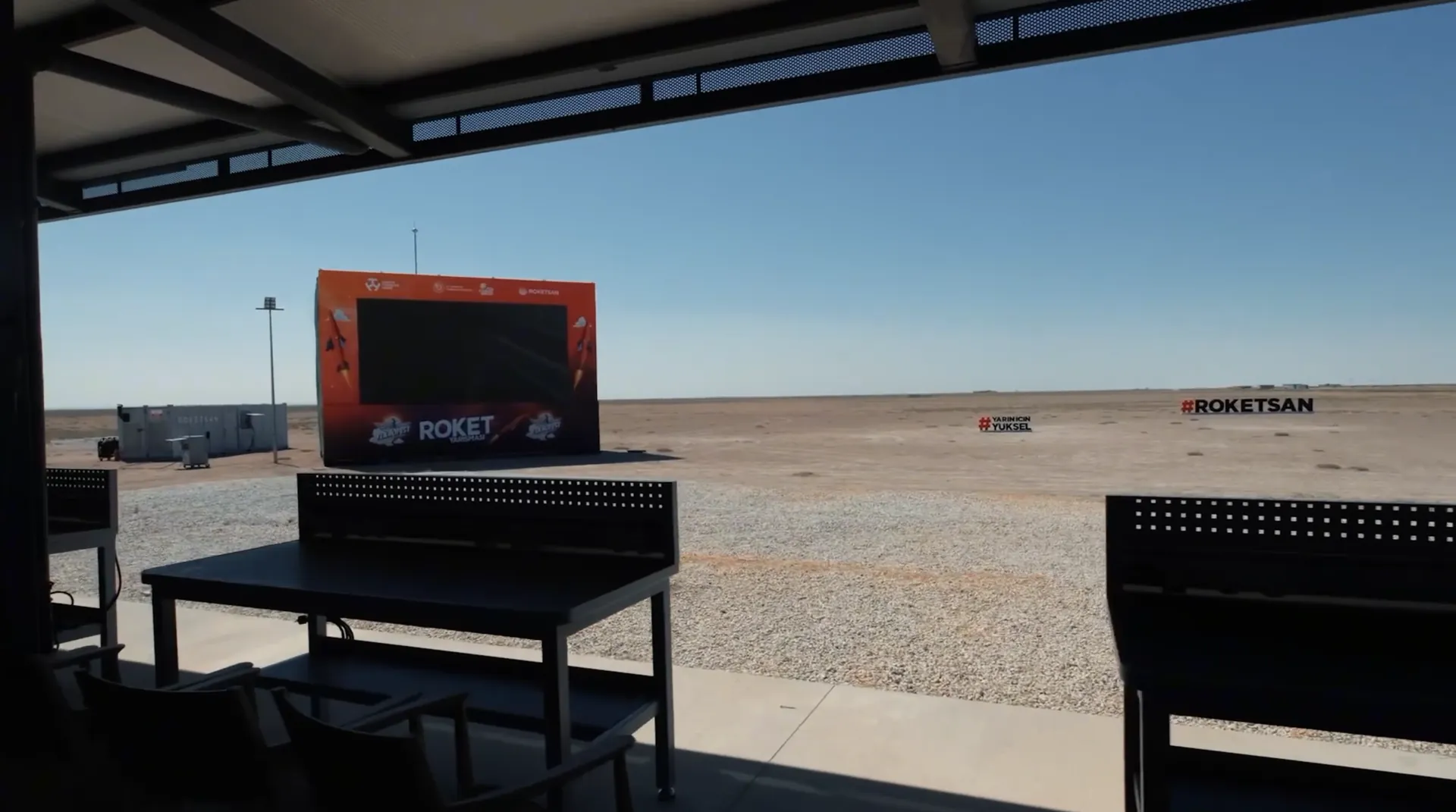
Open in Google MapsWhere the flight is tracked and our ground station receives live telemetry, 713 m from the rail.
Open in Google MapsImagery: contains modified Copernicus Sentinel-2 data (June–September 2026, composite of 8 passes) · Elevation: Copernicus DEM GLO-30
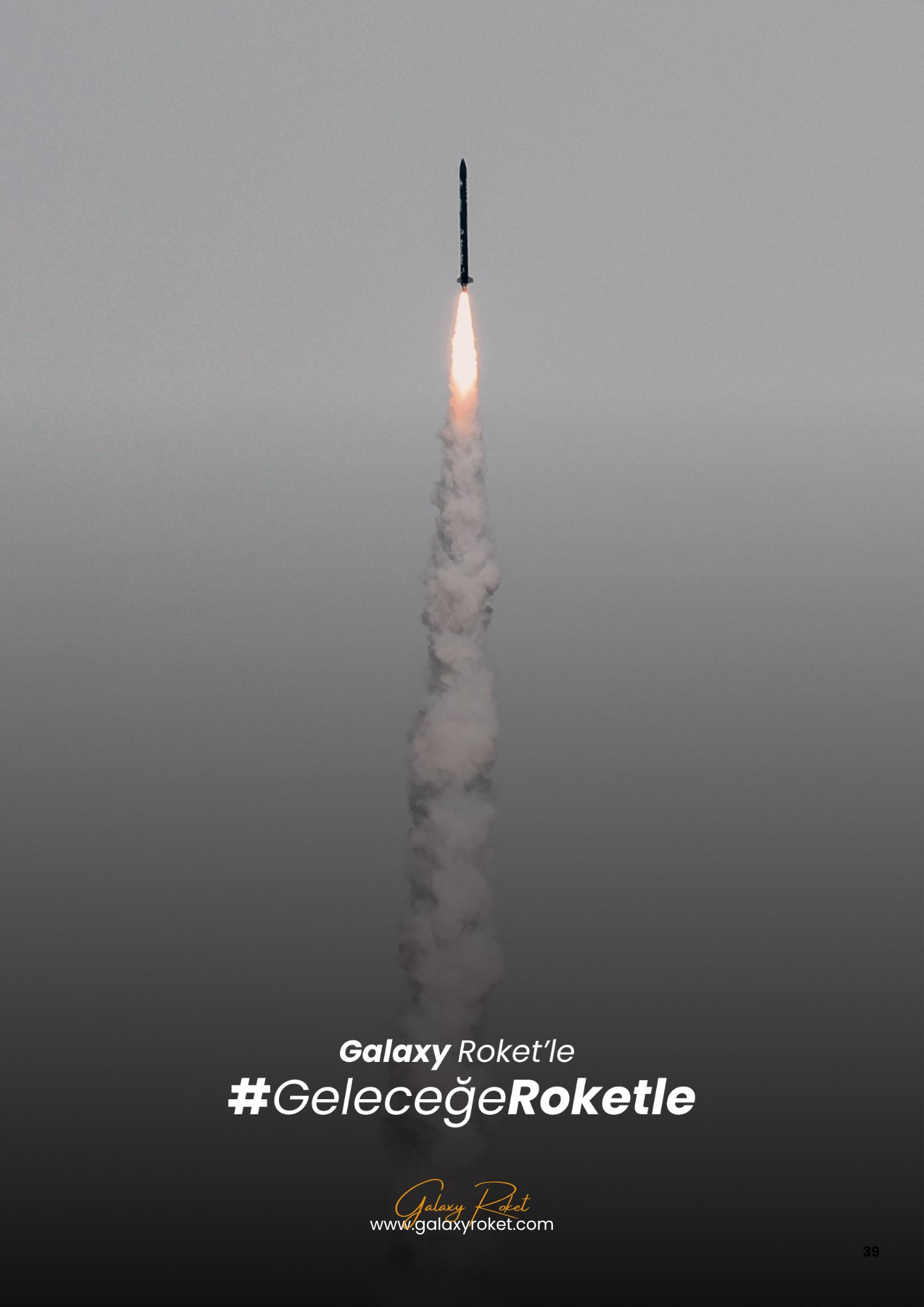
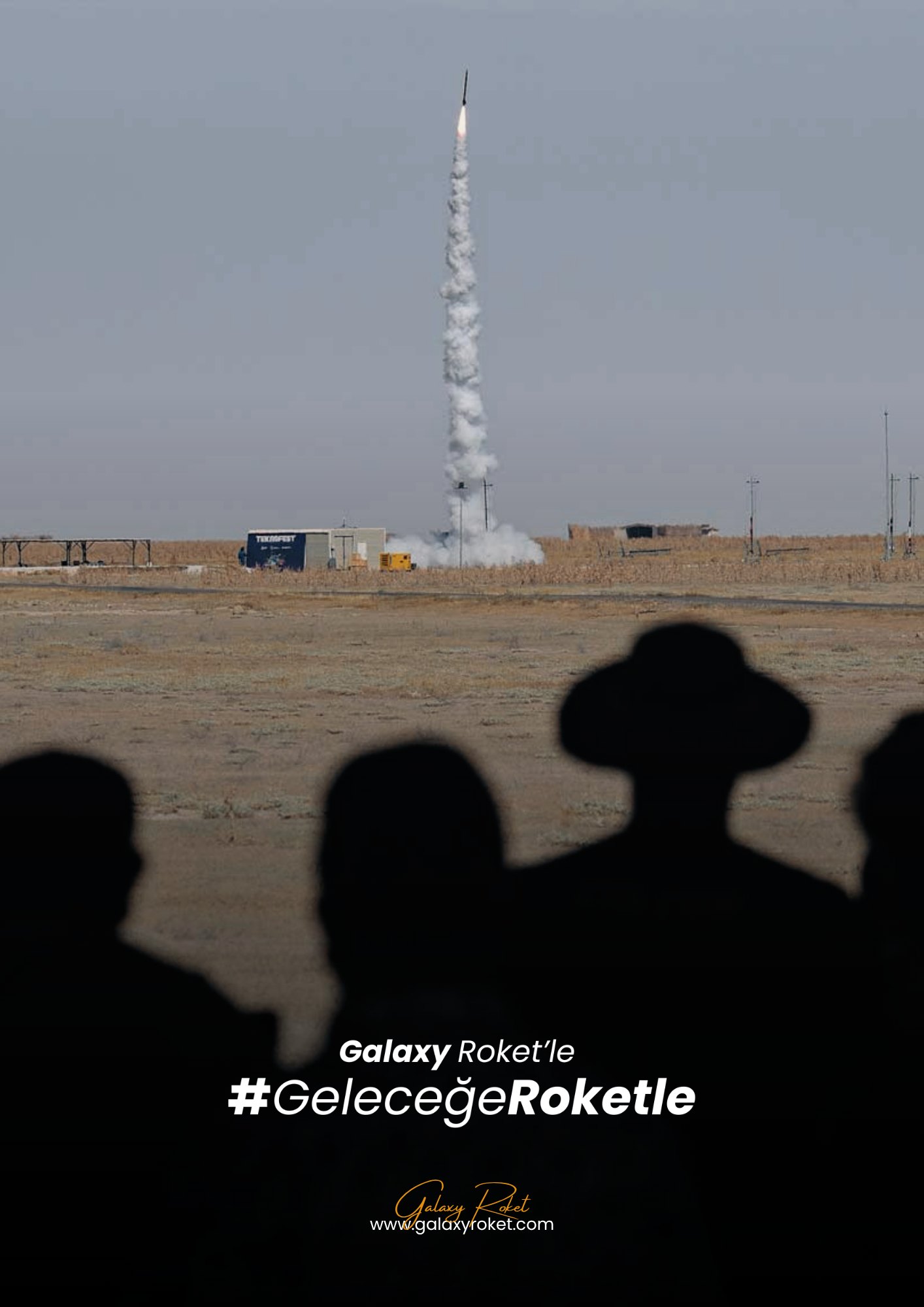
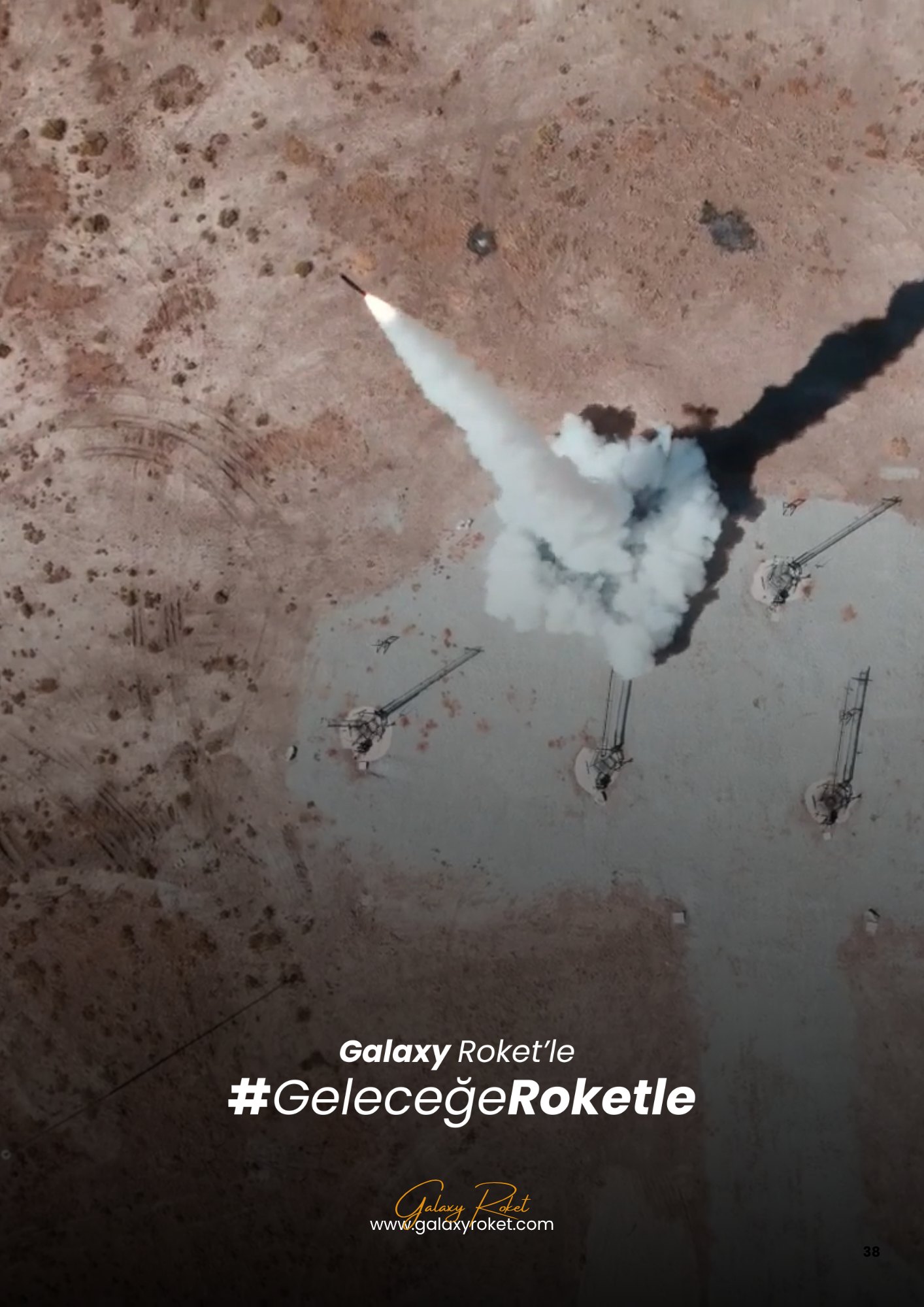
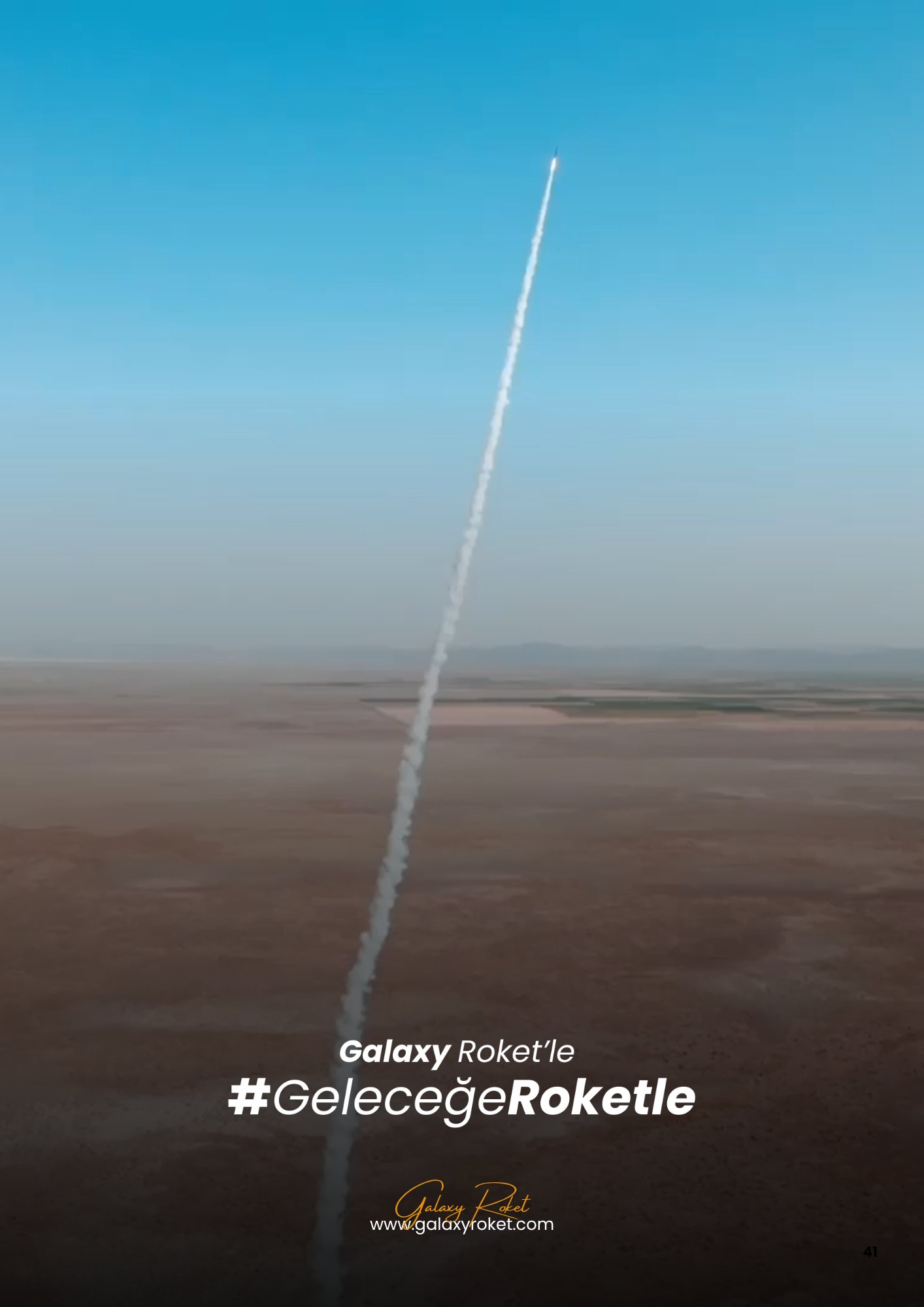
From sounding rockets to a micro-satellite, from thrust vector control to our own avionics capsule — systems we designed, built and flew.
We are developing our 18,000-ft high-altitude sounding rocket for the TEKNOFEST 2025 Rocket Competition.…
01 Rocket · 2025Our 12,000-ft mid-altitude sounding rocket is being developed for the TEKNOFEST 2025 Rocket Competition…
02 Rocket · 2023Our 14,000-ft rocket carried the 4 kg Polaris microsatellite and featured advanced avionics including a…
03 Rocket · 2022Developed for the TEKNOFEST 2022 mid-altitude category, capable of carrying a 5 kg payload to 10,000 ft.…
04 Rocket · 2022Built by our second in-house team, launched successfully with a complete recovery. It made us one of the…
05 Rocket · 2021Launched on 3 September 2021, carrying a 5 kg payload to 1,500 m with GSM-equipped avionics and strong…
06 Rocket · LiquidOur sounding rocket targeting a 4,452 m apogee on an original 1200 N class liquid-propellant engine…
07 Engine · 2025Our original gaseous oxygen and Jet-A1 engine for the TEKNOFEST 2025 B3 category…
08More than half a century before Galaxy Roket, a team led by Prof. Nuri Saryal at the METU Department of Mechanical Engineering worked on a guided rocket research project they called ORDOT. From the propellant to the nozzle, from the guidance electronics to the parachute head, every part was designed on campus.
The flight tests held on METU land in 1969 made the front pages. As a student team developing rockets on the same campus today, we remember this story with respect and hope to help it become better known.
Students from many METU departments develop rocket, avionics and space technologies across 8 units.
 General Advisor of the TeamDr. Umut YıldızAstrophysicist · General AdvisorAstrophysicist who worked at NASA JPL from 2013 to 2024 and founder of Cosmic DynamiX. He guides the team’s technical and academic work.See in Team
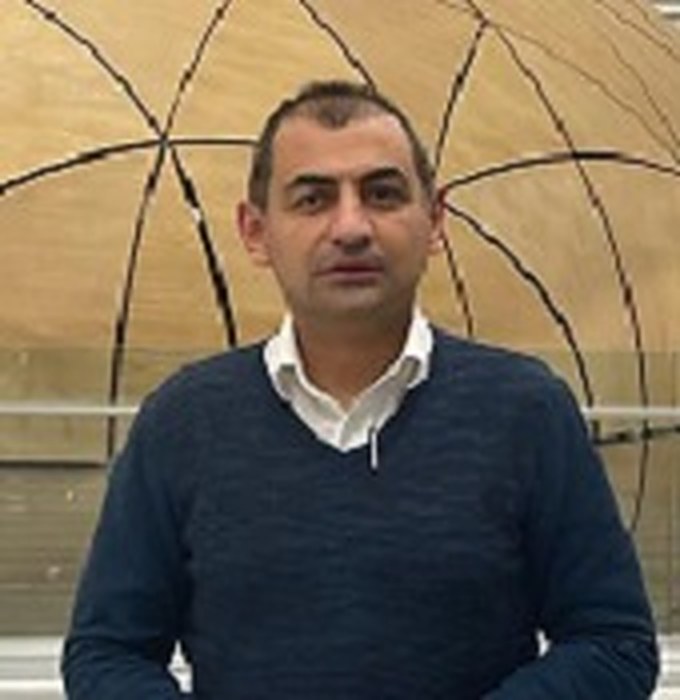 Academic AdvisorAsst. Prof. Dr. Mehmet KaracaMETU Department of Aerospace EngineeringFaculty member of the METU Department of Aerospace Engineering. Works on fluid mechanics and propulsion systems, and supports the team’s engineering work on the academic side.See in Team
 Founder & Team CaptainErhan ŞencanTeam Leader and Aerodynamics LeadFounded the team in Ordu in 2019; today he leads our projects and aerodynamics work at METU.View Profile
 MKGökdeniz TöreStructural Unit LeadMK
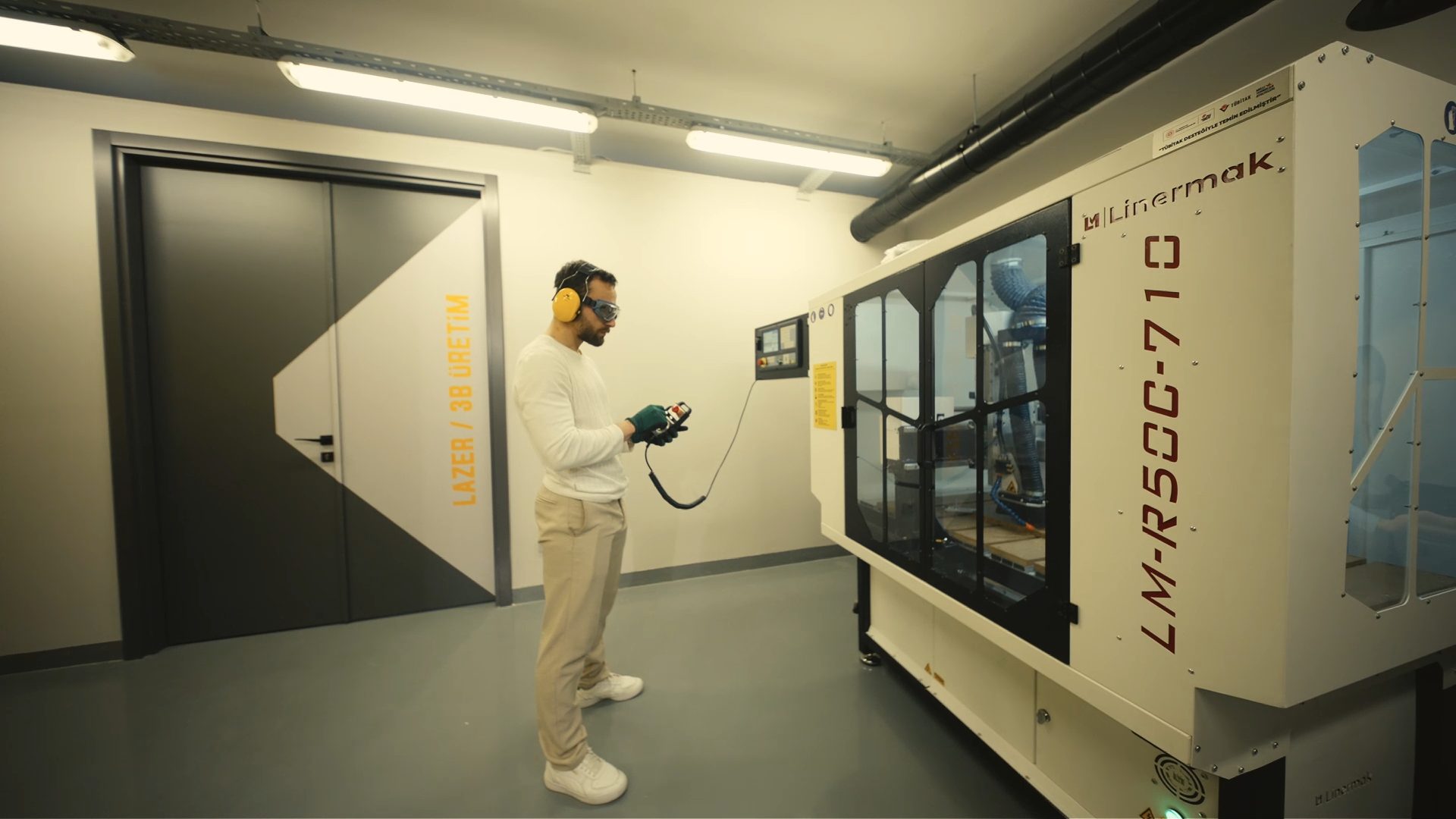
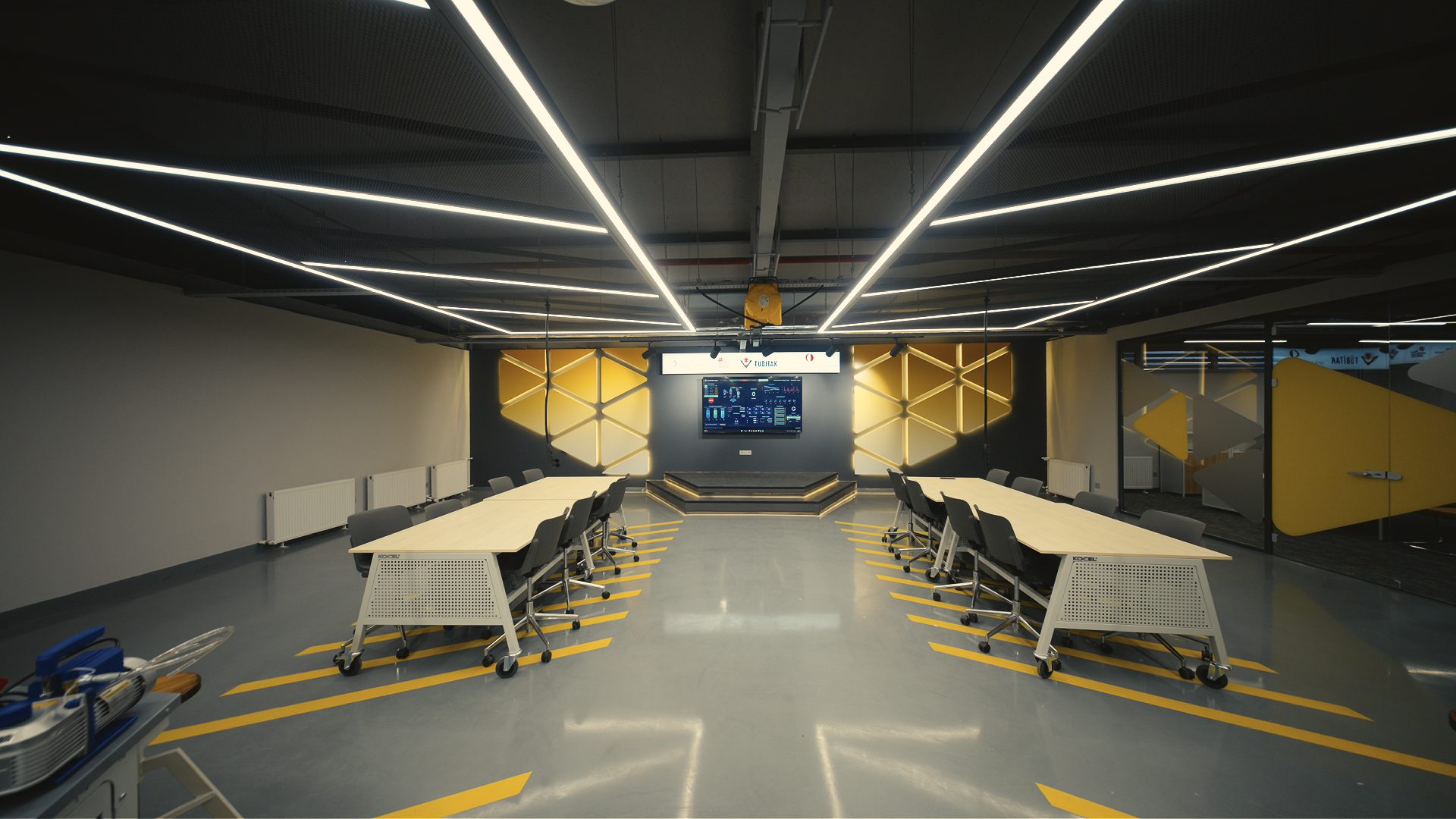
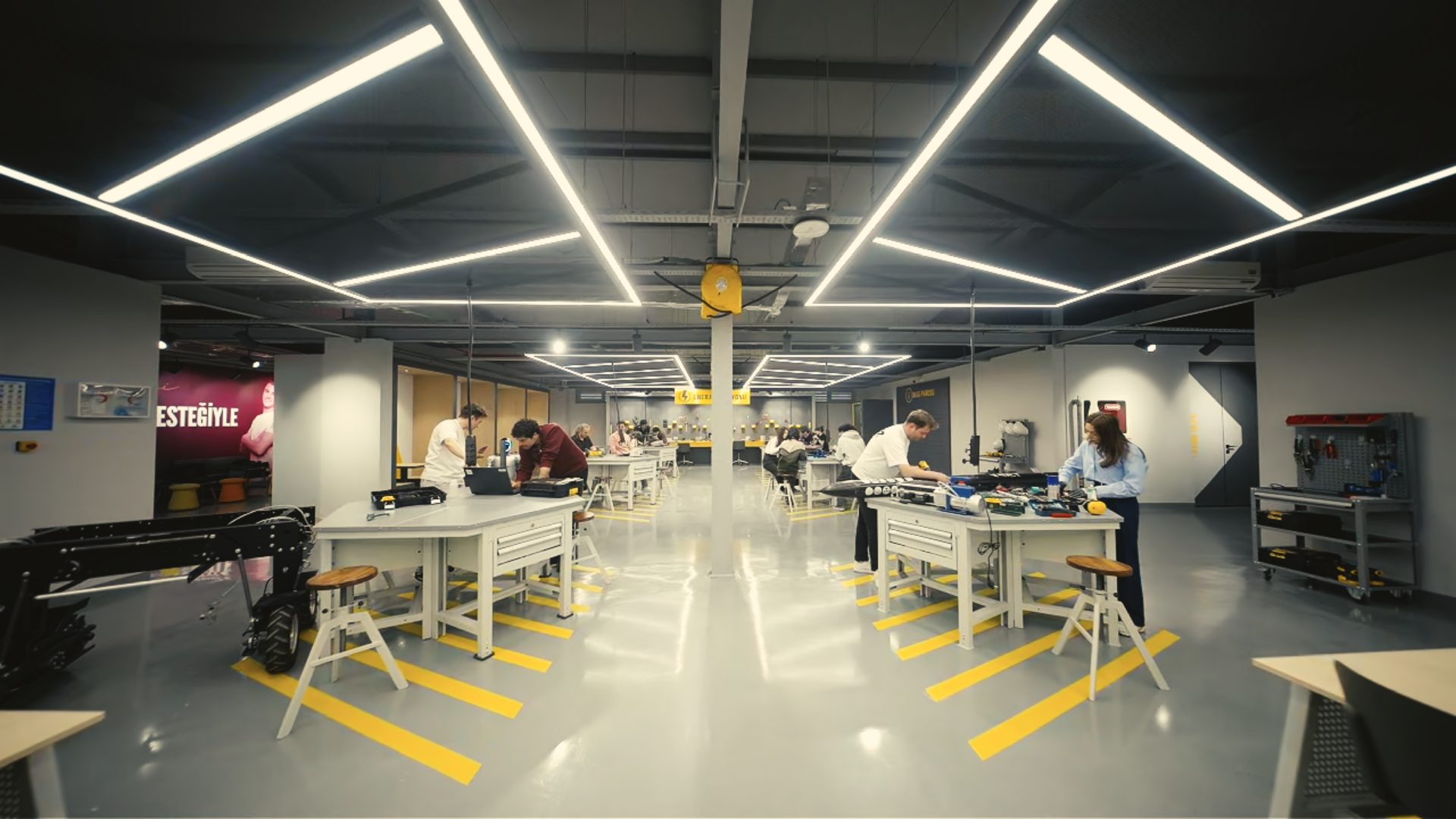
We carry out our work at the METU National Technology Workshop on the university's Ankara campus. Design, production, assembly, test preparation and training all happen under one roof.
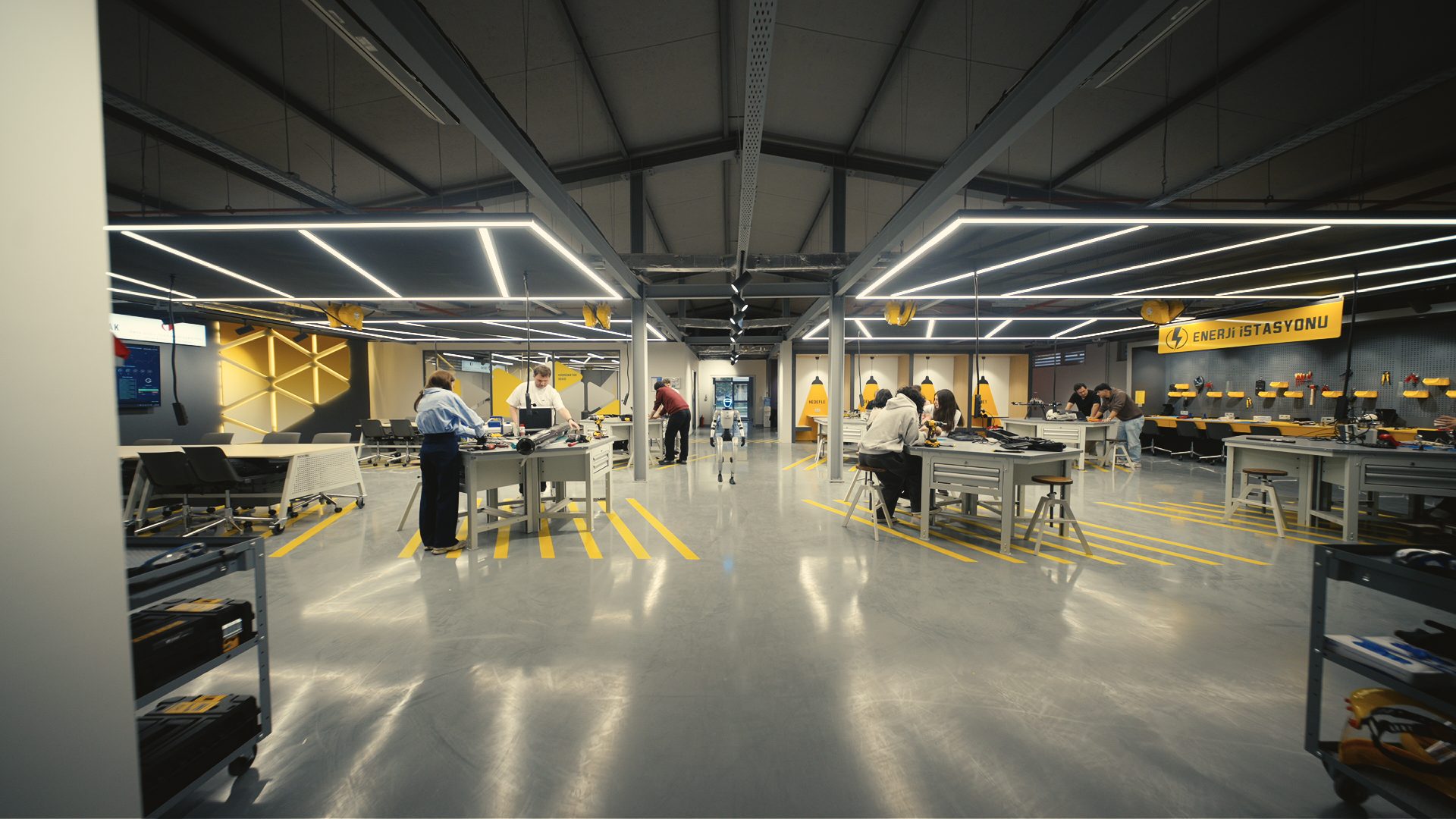 WorkshopOur workbenches and assembly area
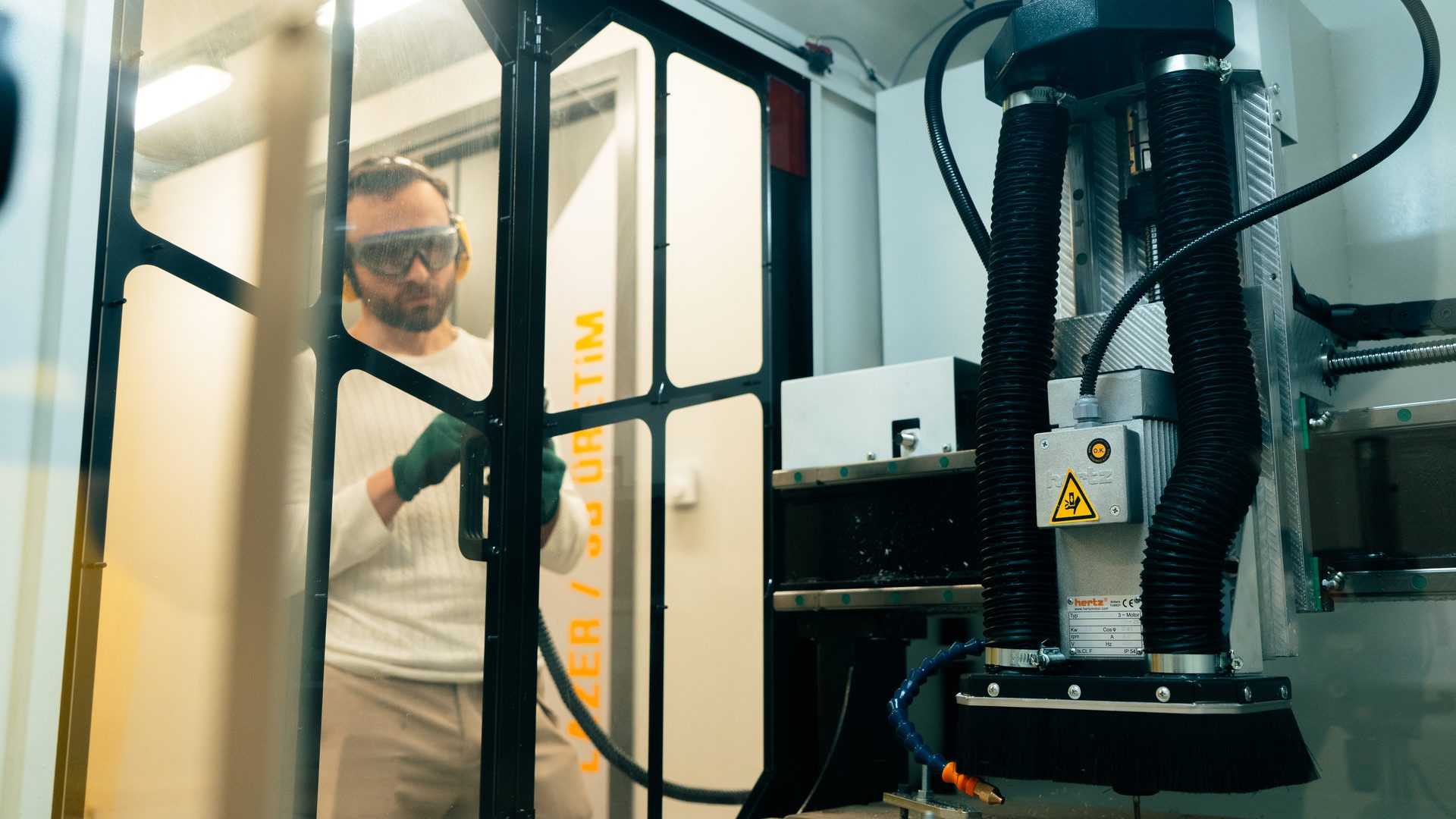 ProductionMachining parts on the CNC router
 ProductionLaser and 3D production room
 TrainingMeeting and training area

There are 22 open positions across five departments. No experience required — curiosity is enough.
Open roles: Aerodynamic Design & Performance Lead, CFD Lead
04 DEPARTMENT 02Open roles: Combustion Chamber Performance Lead, Combustion Chamber Design Verification Lead
06 DEPARTMENT 03Open roles: Structural Design Verification Lead, Mechanical Systems Design Lead
02 DEPARTMENT 04Open roles: Electronics & Hardware Lead, Electrical Power Distribution Lead
05 DEPARTMENT 05Open roles: Administrative Affairs Lead, Corporate Communications & PR Lead
05Let's invest together in the future of Turkish space and rocket technology. The document covers our sponsorship packages and visibility options.
Take part in real projects, from rocket design to the ground station. Read the guide before applying to learn about the process and the positions.
We broadcast our launch operations, field work and interviews live on our YouTube channel.
Picks from our launches, TEKNOFEST competitions and stream recordings. Tap a video to watch it right here.
Photos of our team from the workshop, launch sites and competitions. Tap a photo to enlarge it.
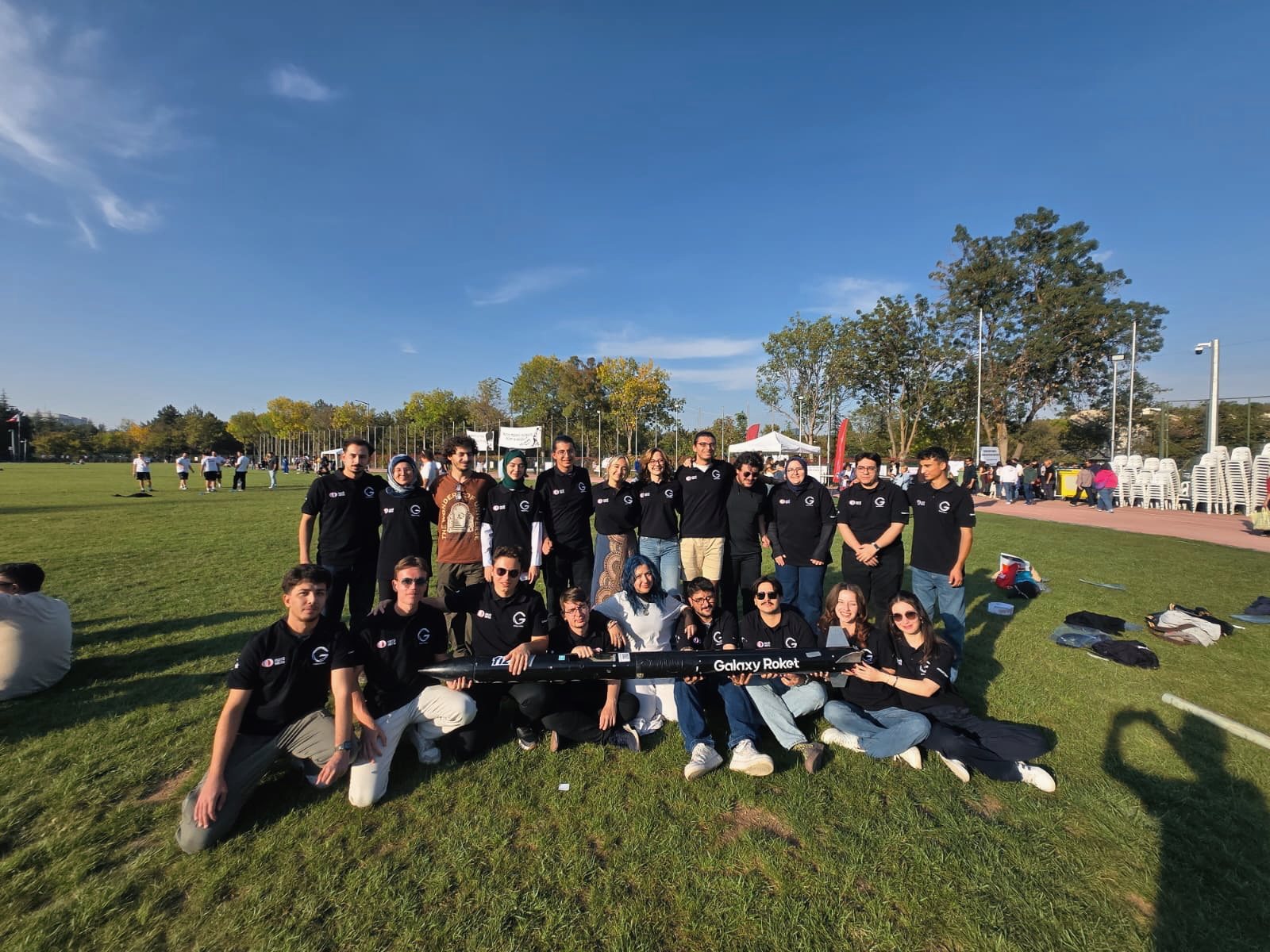
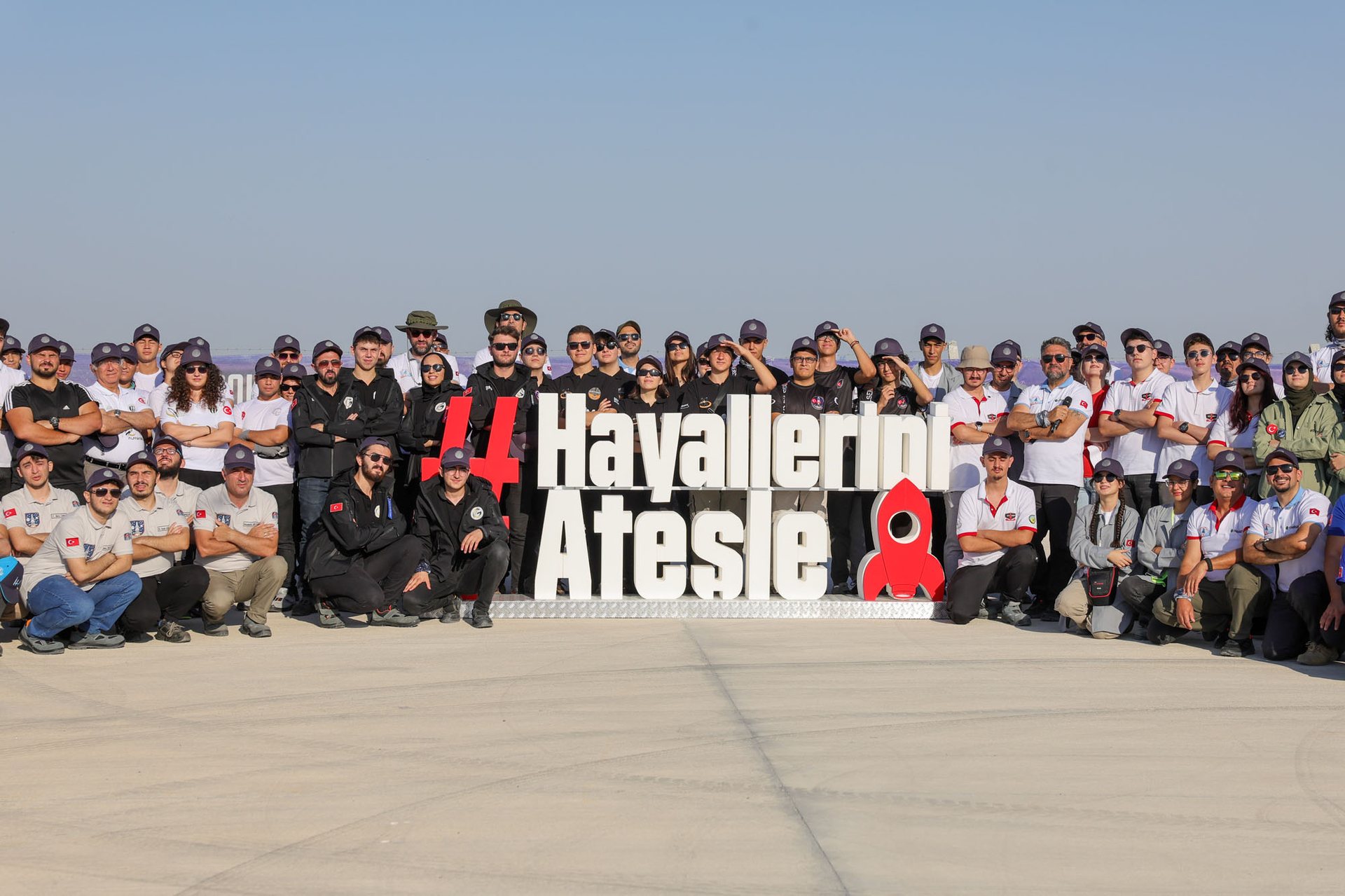
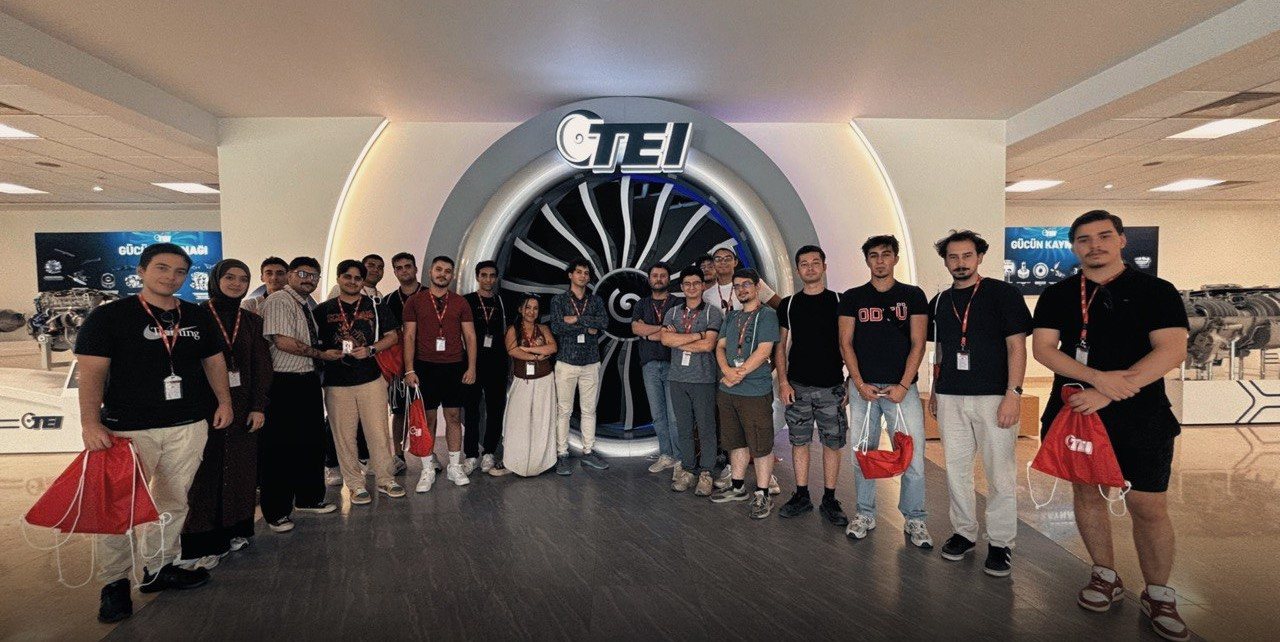
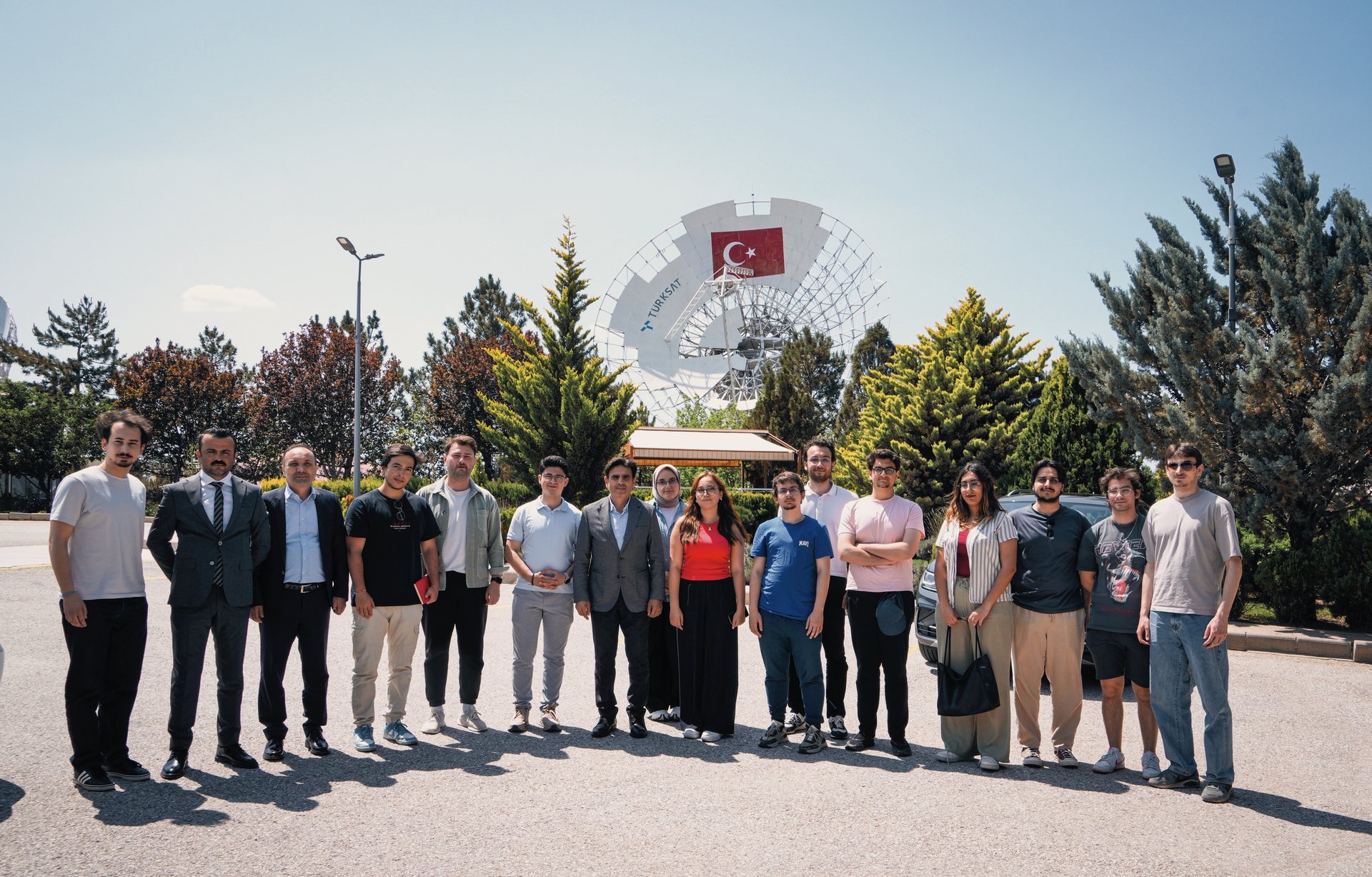
Launch moments, live streams and behind the scenes from the workshop. We are @galaxyroket everywhere.
Our rockets reach the sky with the support of our sponsors, public institutions and media partners.
All sponsors
































The latest from our launches, competitions and events.
Headline
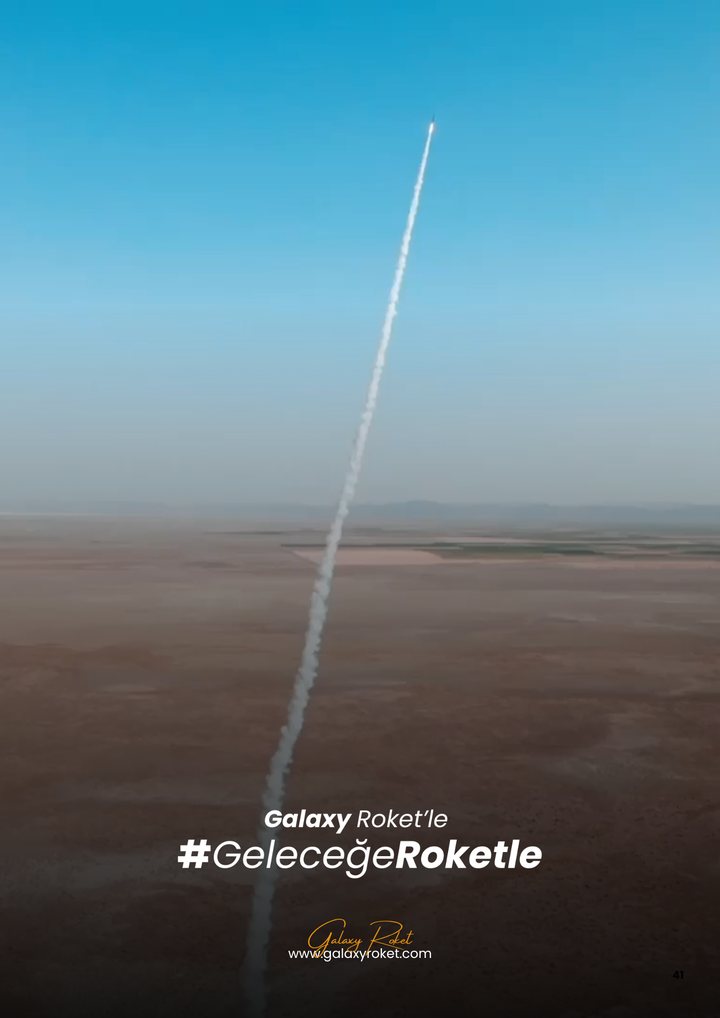
Eren Rocket Has Been Launched!
Developed for TEKNOFEST and named after Eren Bülbül, our mid-altitude sounding rocket met the skies at the ROKETSAN Hisar Test Range in Aksaray on August 18.
Read More
 Eren Rocket Flight AnimationWe published the flight animation of the Eren Sounding Rocket ahead of its August 18 launch at the ROKETSAN Hisar Test Range.
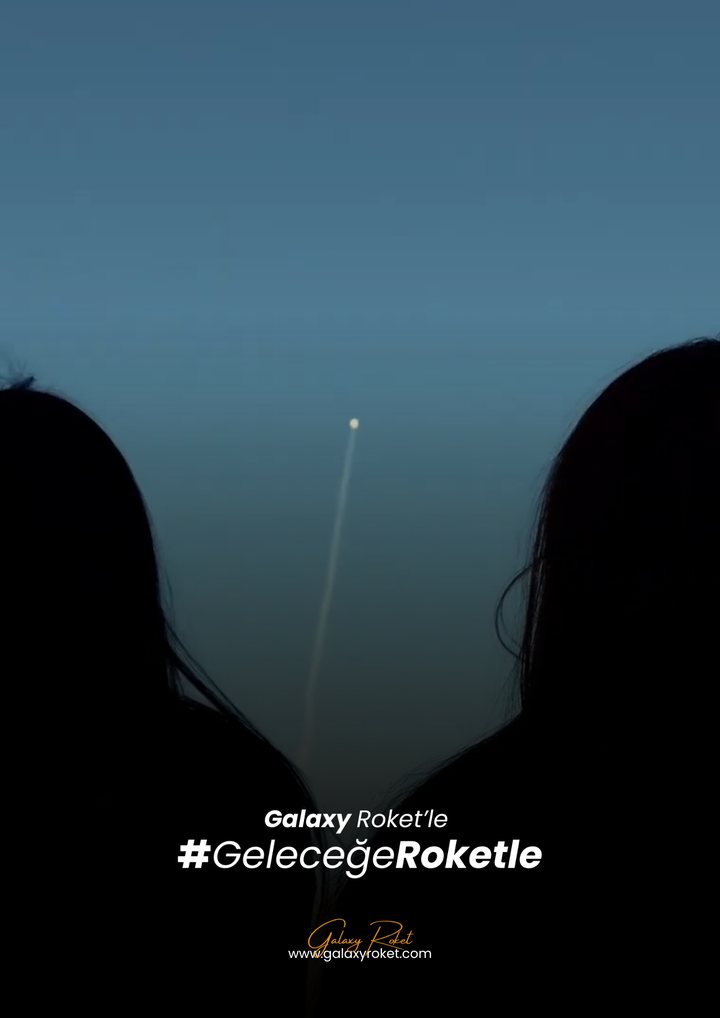 We Met Ordu Deneyap Students!As part of the TEKNOFEST finalists meetup we met the students of Ordu Deneyap Technology Workshop and shared our knowledge and experience.
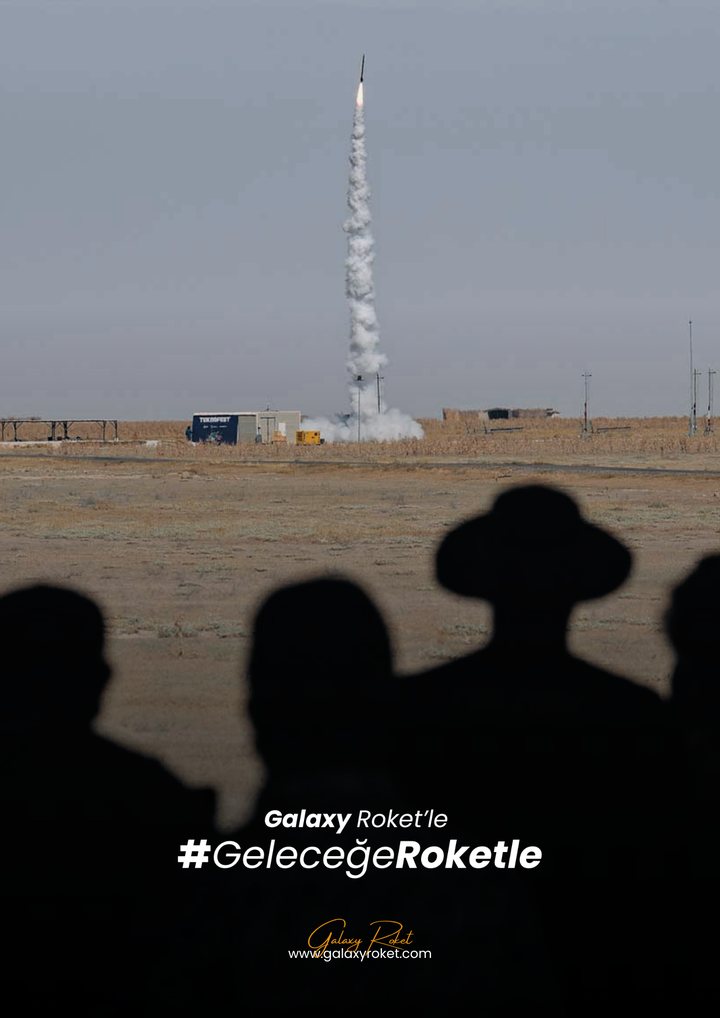 We Are in the TEKNOFEST 2023 Finals!We qualified for the TEKNOFEST 2023 Rocket Competition finals, representing Ordu, Aybastı and Aybastı Science High School.