View
Select

Galaxy Roket'le

Geleceğe Roketle!

Projects of Galaxy Roket

This page is still being updated.

See Projects
Project Portfolio

From 2019 to 2026 Rockets, Microsatellites and Liquid Engines

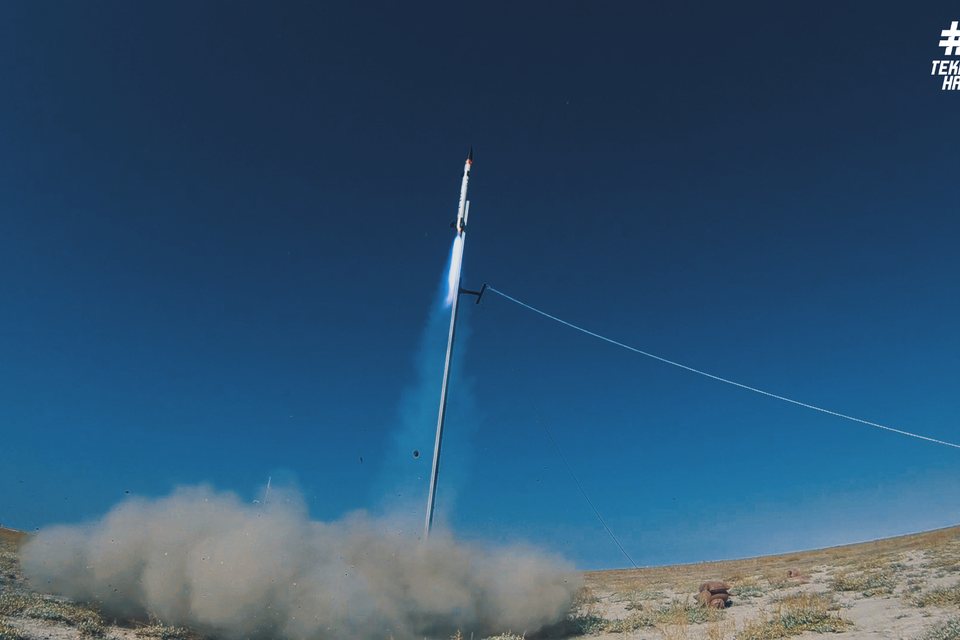
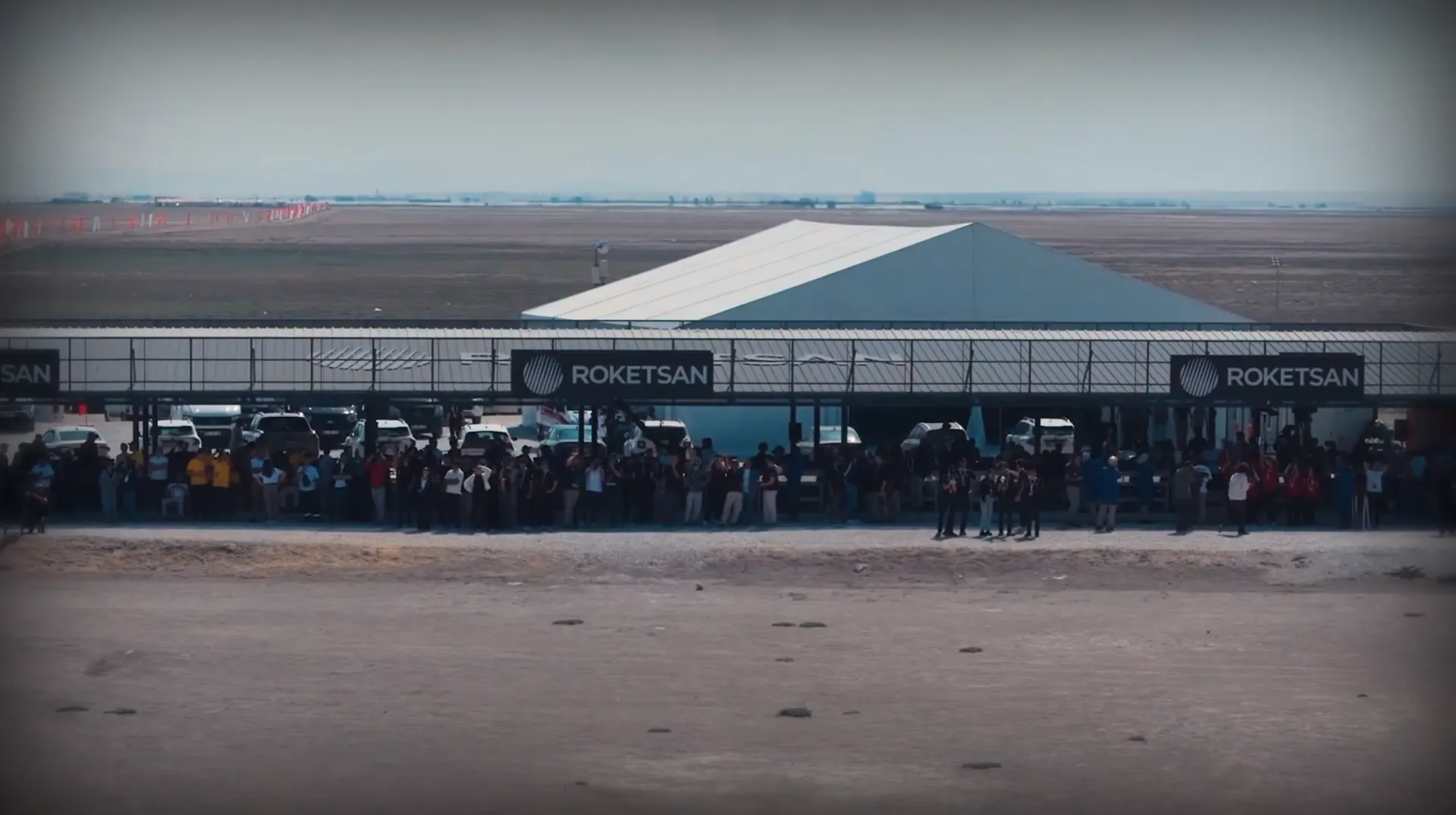
Since 2019 we have built sounding rockets, microsatellites and the original subsystems that make them possible. Our rockets have flown at the ROKETSAN Hisar Test Range, and every new platform learns from the flight data of the one before. Today we are developing our 100 N liquid rocket engine and our liquid-engine sounding rocket.

6Rockets Launched
2Microsatellites
12Projects
18000Feet Target Altitude
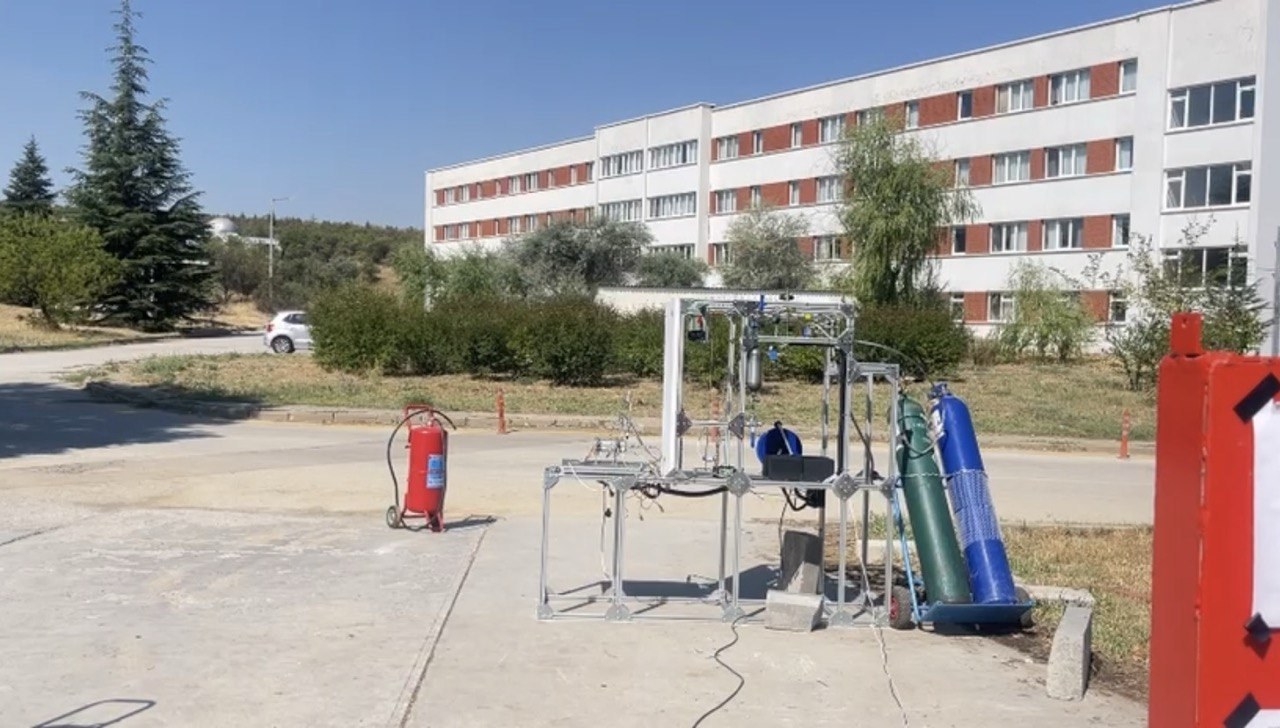
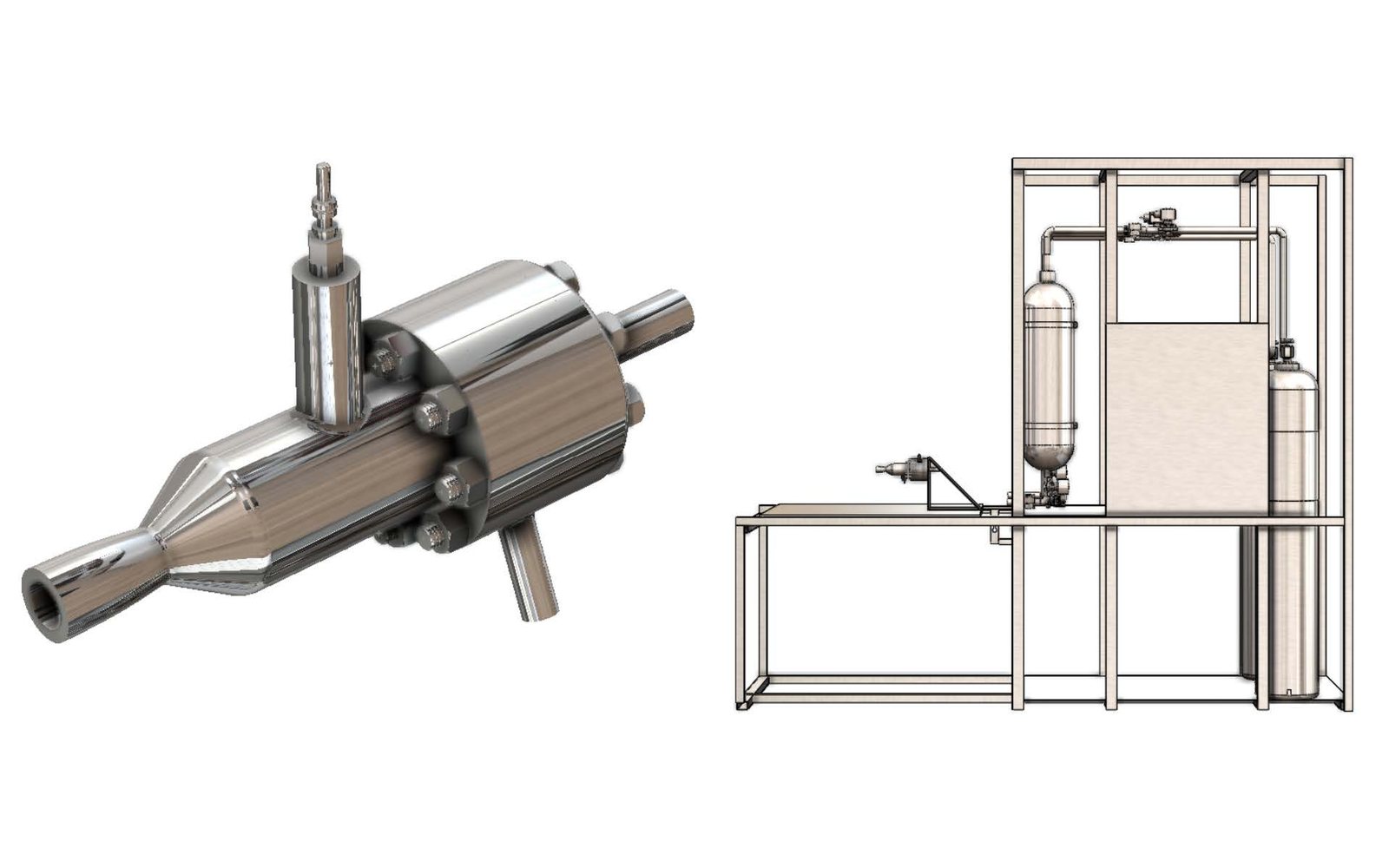
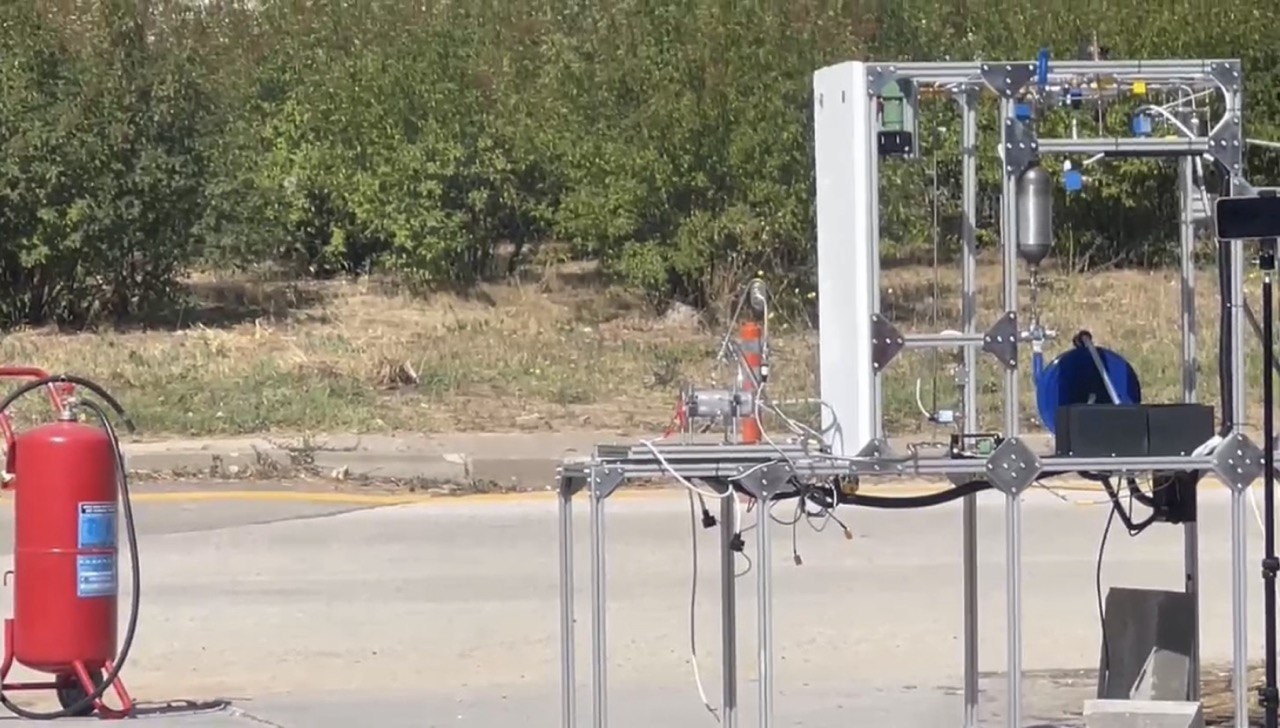
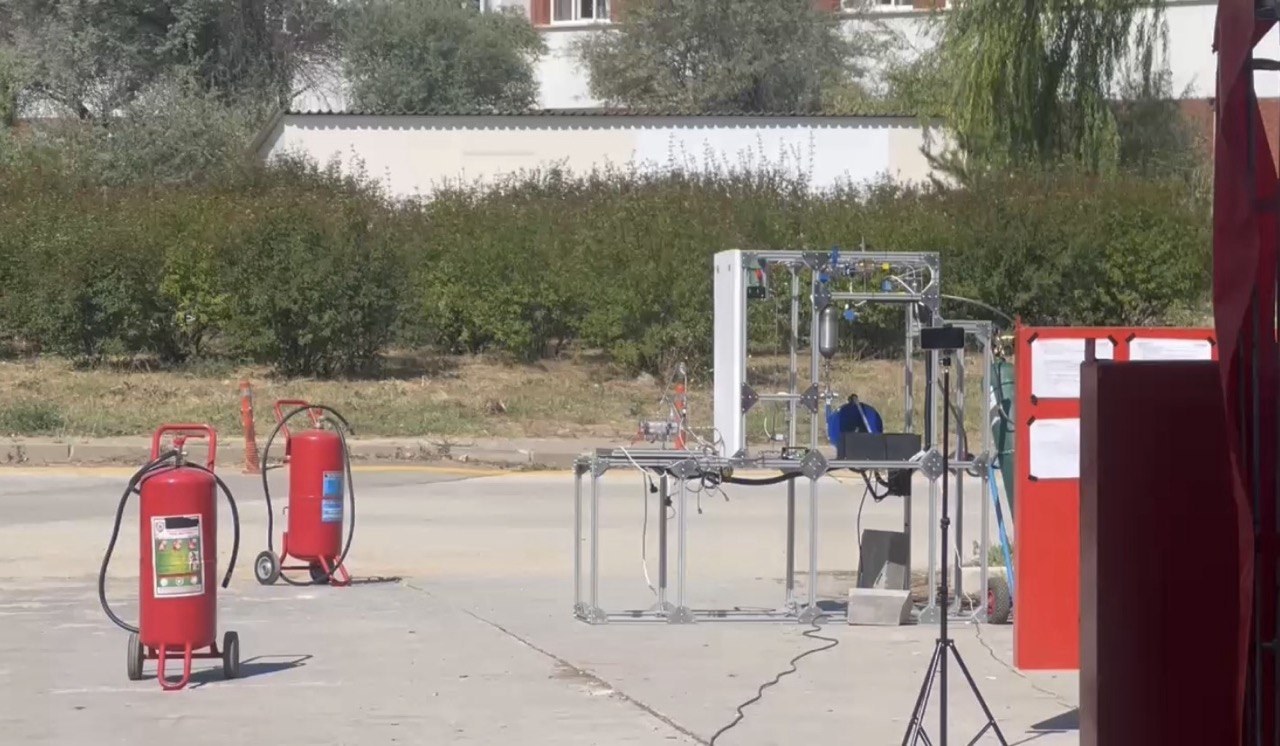
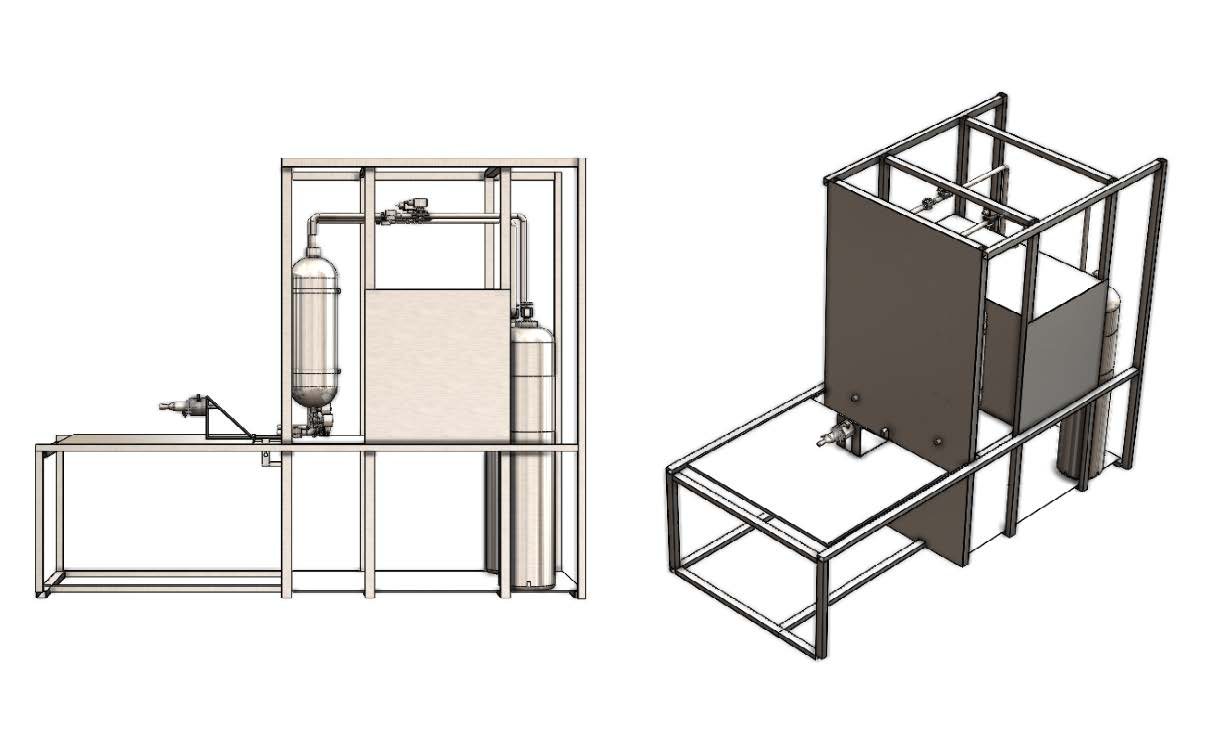
Liquid-propellant rocket engine test setup on campus
Featured Projects
In DevelopmentLiquid-Propellant Rocket Engines

Our liquid-propellant rocket engines

We design and analyse our own liquid-propellant rocket engines and verify them on our test setup on campus. Our 100 N class engine is being developed for the TEKNOFEST 2025 B3 category, and our 1200 N class engine for our sounding rocket targeting an apogee of 4,452 metres.

Altitude journey

Higher with every rocket.

From 1,500 metres on our first flight to the 18,000 feet we are targeting for TEKNOFEST 2025: the altitudes we reached and the ones we aim for.

Altitude reachedTarget altitude
4,921 ft
2020Ceren Özdemir
4,921 ft
2021Şenay Aybüke Yalçın
10,000 ft
2022SES
14,000 ft
2023Şehit Eren Bülbül
12,000 ft
2025Mid-Altitude
18,000 ft
2025High-Altitude

Altitude data for the Göktürk rocket is not in our records. 1,500 m ≈ 4,921 ft.

3D Explorer

Explore our rocket part by part.

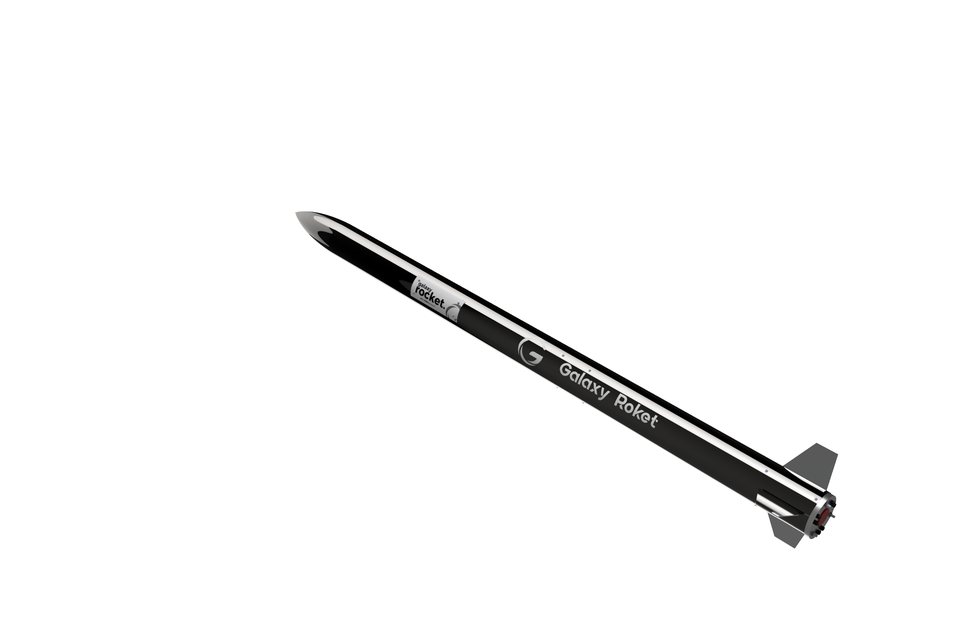
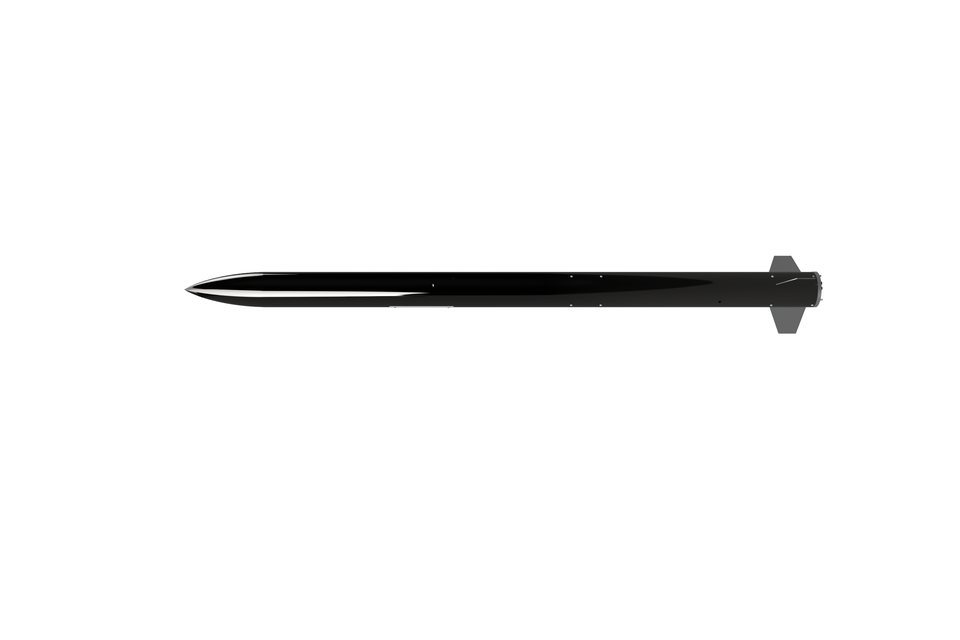
Real dimensions taken from our team's CAD model. Drag to rotate, switch the view or take the rocket apart.

Drag to rotate

Whole Rocket

Drawn from our team's CAD file at its real dimensions. Tap a part or take the rocket apart.

Overall length
2,720 mm
Body diameter
141 mm
Fins
3
Fin span
Ø 389 mm

Nose Cone

The first part to meet the air. Its pointed profile reduces drag; it slides into the body on a shoulder, which shows when you explode the rocket.

Length
320 mm
Base diameter
141 mm
Shoulder
210 mm
Joint
Slip fit into body

Body Tube

The rocket's main structure. The section view shows its thin wall and how the nose shoulder sits inside it.

Length
2,400 mm
Outer diameter
141 mm
Wall thickness
2.5 mm
Inner diameter
136 mm

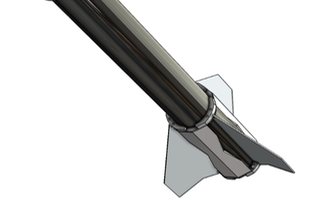
Fins

Keep the rocket pointing straight in flight. Three fins sit 120° apart around the body; explode the rocket to see the tabs that go into the body.

Count
3
Root chord
300 mm
Tip chord
100 mm
Height
124 mm

Our Rockets
2020 — 2026

Every rocket of ours, from our first flight to the liquid-engine sounding rocket we are developing today, with its key technical data.

Liquid-Engine Sounding Rocket02
In DevelopmentSounding Rocket · Liquid Propellant

Liquid-Engine Sounding Rocket

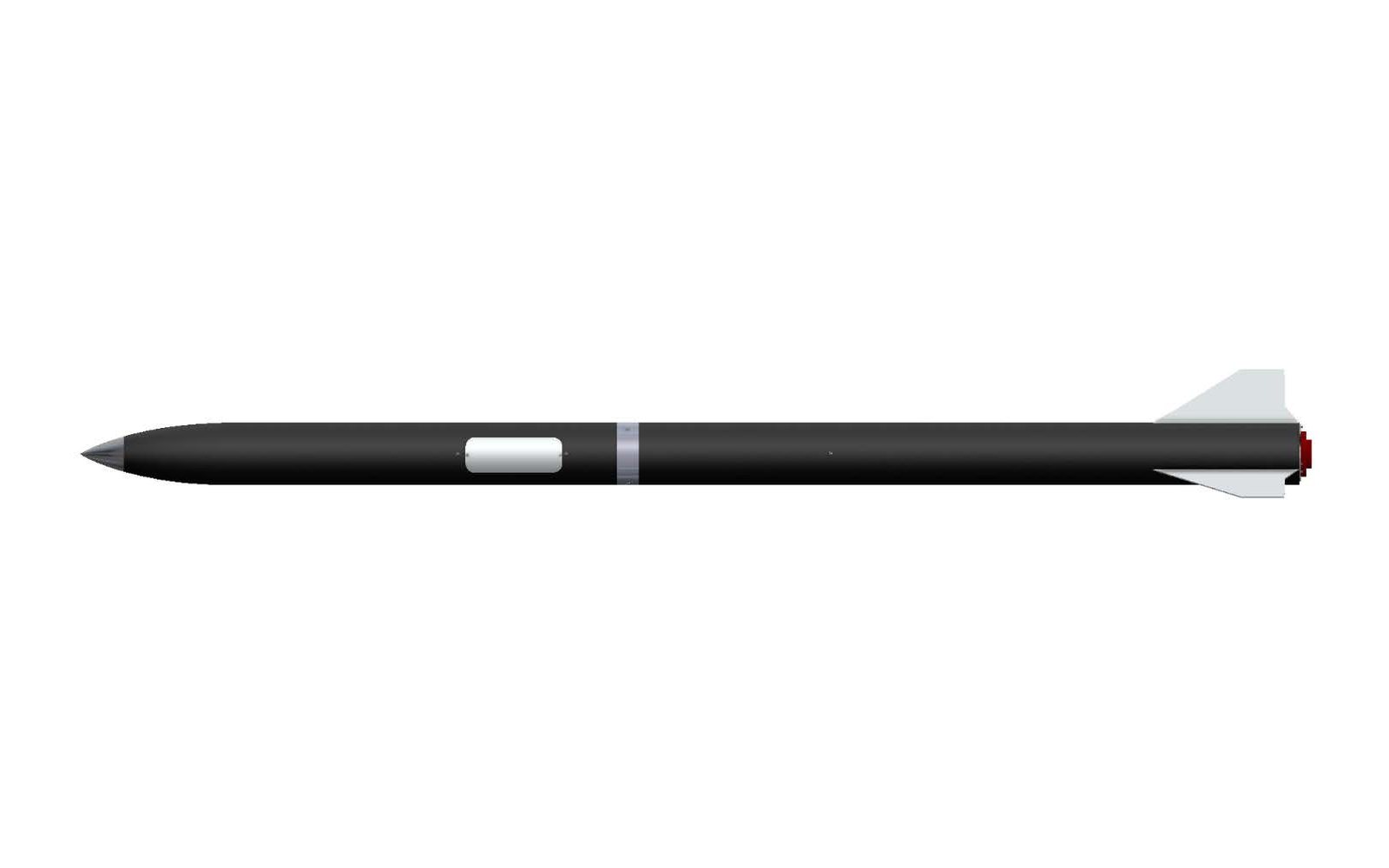
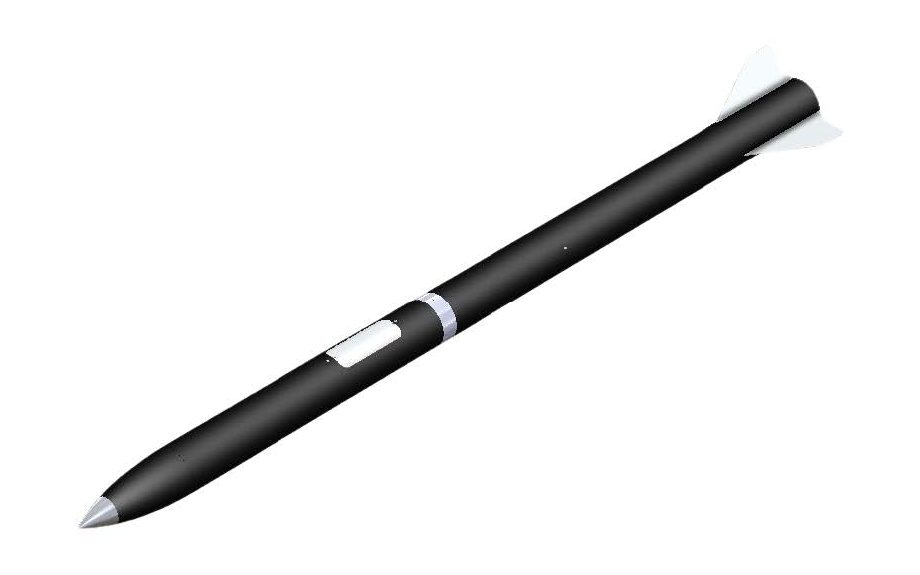
A sounding rocket that will fly on our own liquid-propellant rocket engine, targeting an apogee of 4,452 metres. 320 cm long, 15 cm in diameter and weighing 29 kg, it will carry a 4 kg scientific payload to the target altitude with an original 1200 N class liquid-propellant engine delivering 11,990 N·s of total impulse.

Target apogee
4,452 m
Payload
4 kg
Engine
1200 N class, liquid
Fuel · Oxidiser
Jet-A1 · N₂O
Technical summary
Mid-Altitude Sounding Rocket03
In DevelopmentTEKNOFEST 2025 · Mid Altitude

Mid-Altitude Sounding Rocket

Our 12,000-ft mid-altitude sounding rocket is being developed for the TEKNOFEST 2025 Rocket Competition, with a composite airframe, an in-house separation mechanism and a 5 kg payload capacity.

Target Altitude
12,000 ft
Payload
5 kg
Airframe
Composite
Separation
In-house mechanism
Şehit Eren Bülbül Mid-Altitude Sounding Rocket04
LaunchedTEKNOFEST 2023 · Mid Altitude

Şehit Eren Bülbül Mid-Altitude Sounding Rocket

Our 14,000-ft rocket carried the 4 kg Polaris microsatellite and featured advanced avionics including a live video downlink. Successfully launched on 18 August 2023 at the ROKETSAN Hisar Test Range.

Altitude Range
14,000 ft
Payload
Polaris · 4 kg
Launch
18 August 2023
Highlight
Live video downlink
SES Sounding Rocket05
LaunchedTEKNOFEST 2022 · Mid Altitude

SES Sounding Rocket

Developed for the TEKNOFEST 2022 mid-altitude category, capable of carrying a 5 kg payload to 10,000 ft. Its flight computer and recovery system were designed entirely in-house.

Altitude
10,000 ft
Payload
5 kg
Flight Computer
In-house design
Recovery
In-house system
Göktürk Sounding Rocket06
Launched2022 Season · Second Team

Göktürk Sounding Rocket

Built by our second in-house team, launched successfully with a complete recovery. It made us one of the few teams to fly two rockets in a single season.

Built by
Our second team
Launch
Successful
Recovery
Complete
Season
2022
Şehit Şenay Aybüke Yalçın Rocket07
Launched2021 Season

Şehit Şenay Aybüke Yalçın Rocket

Launched on 3 September 2021, carrying a 5 kg payload to 1,500 m with GSM-equipped avionics and strong aerodynamic performance.

Altitude
1,500 m
Payload
5 kg
Launch
3 September 2021
Avionics
GSM module
Ceren Özdemir Rocket08
Our First Rocket2020 · Our First Rocket

Ceren Özdemir Rocket

Our very first rocket reached 1,500 meters carrying a 4 kg payload, the platform where our story began.

Altitude
1,500 m
Payload
4 kg
Year
2020
Significance
Our first flight
Liquid-propellant systems

Liquid-propellant rocket engines.

We design our own liquid-propellant rocket engines, their test systems and a sounding rocket that will fly on one of them. Below is a technical summary of two of these projects.

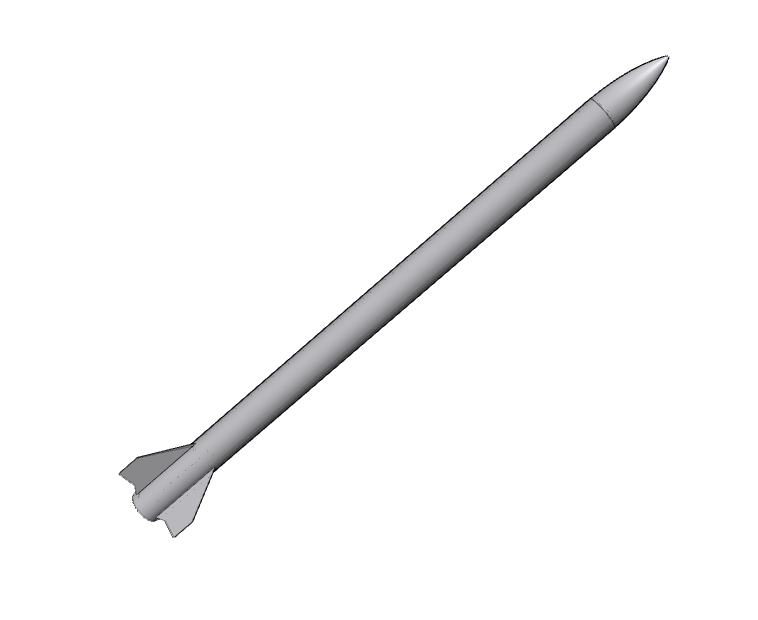
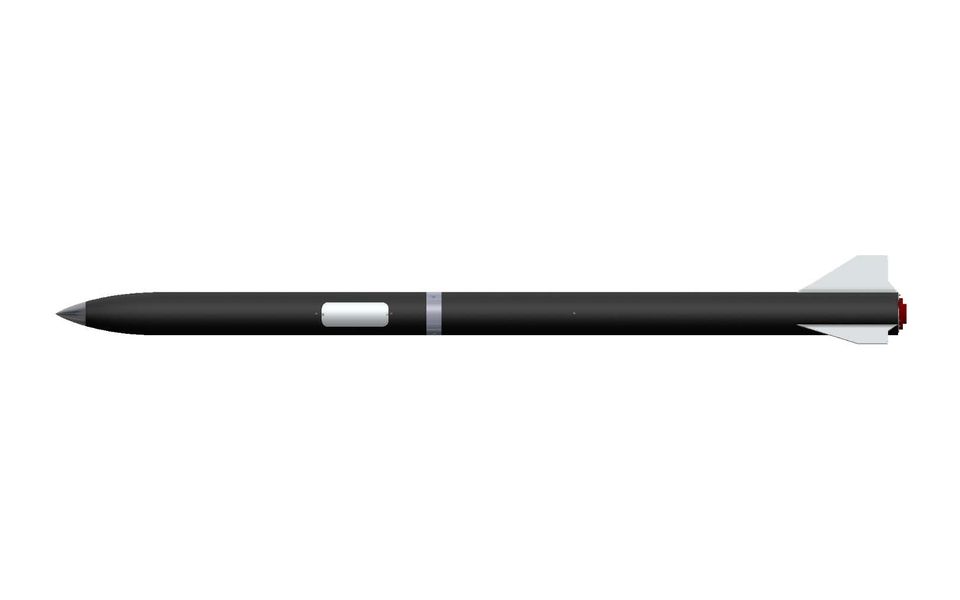
Liquid-engine sounding rocket, general view
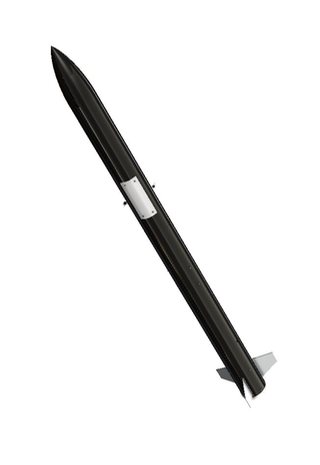
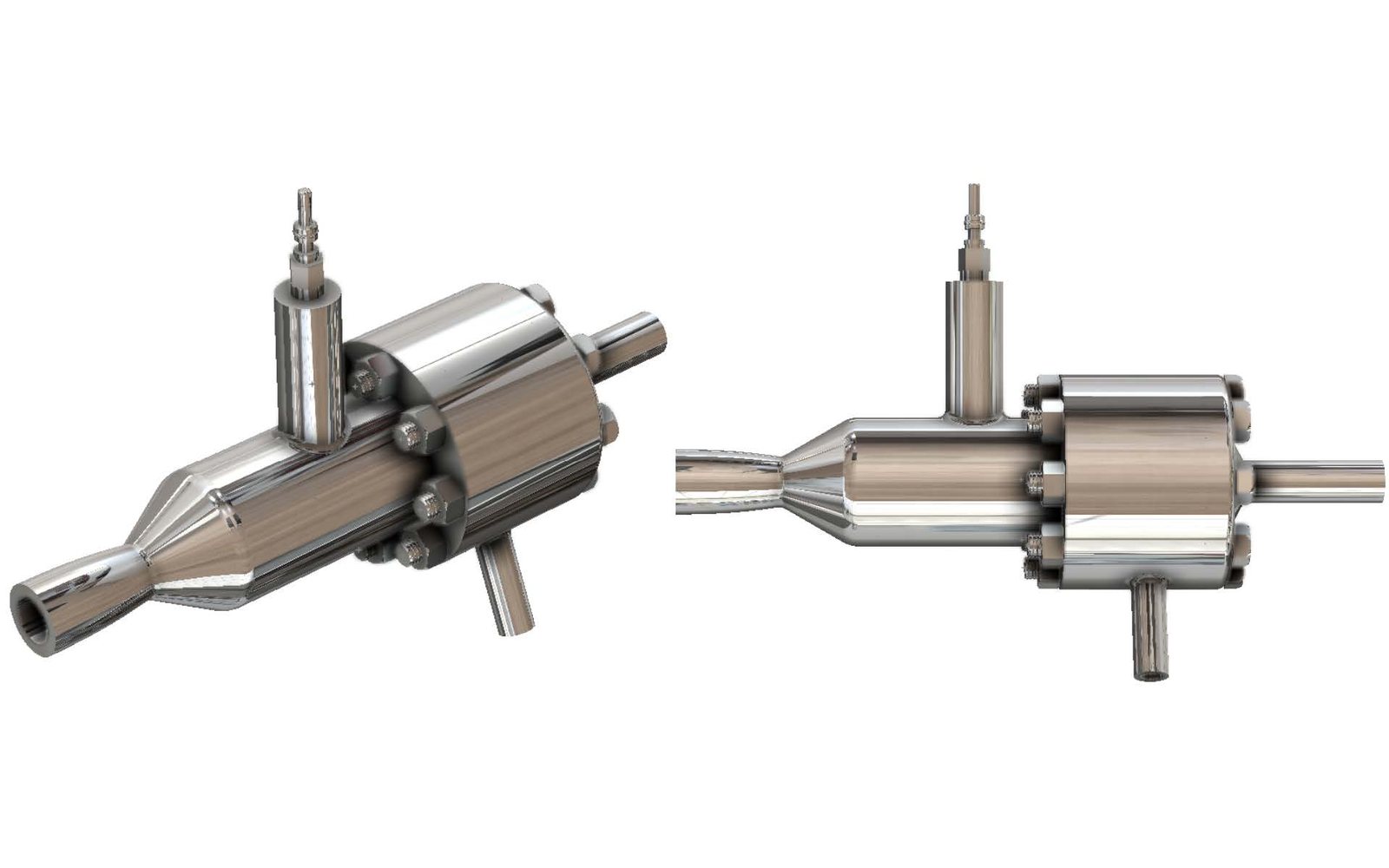
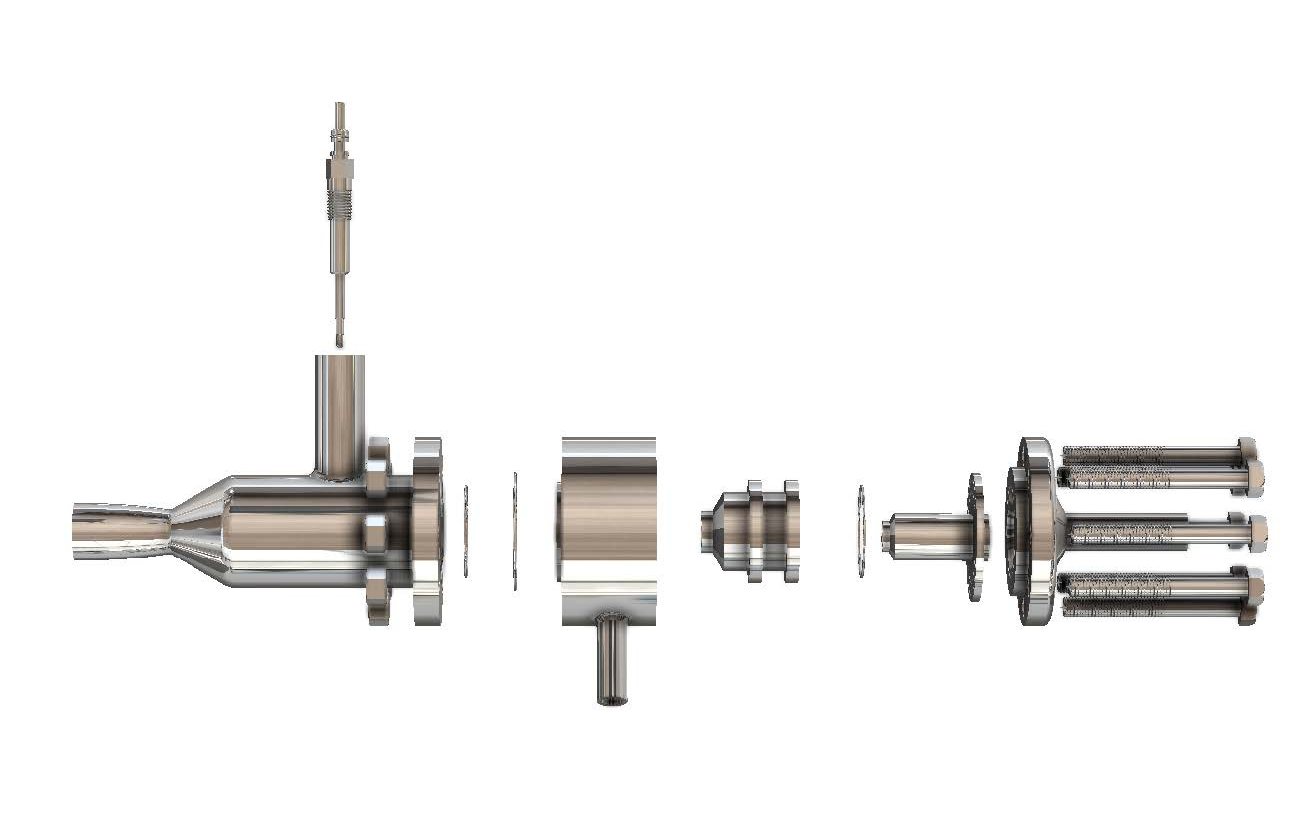
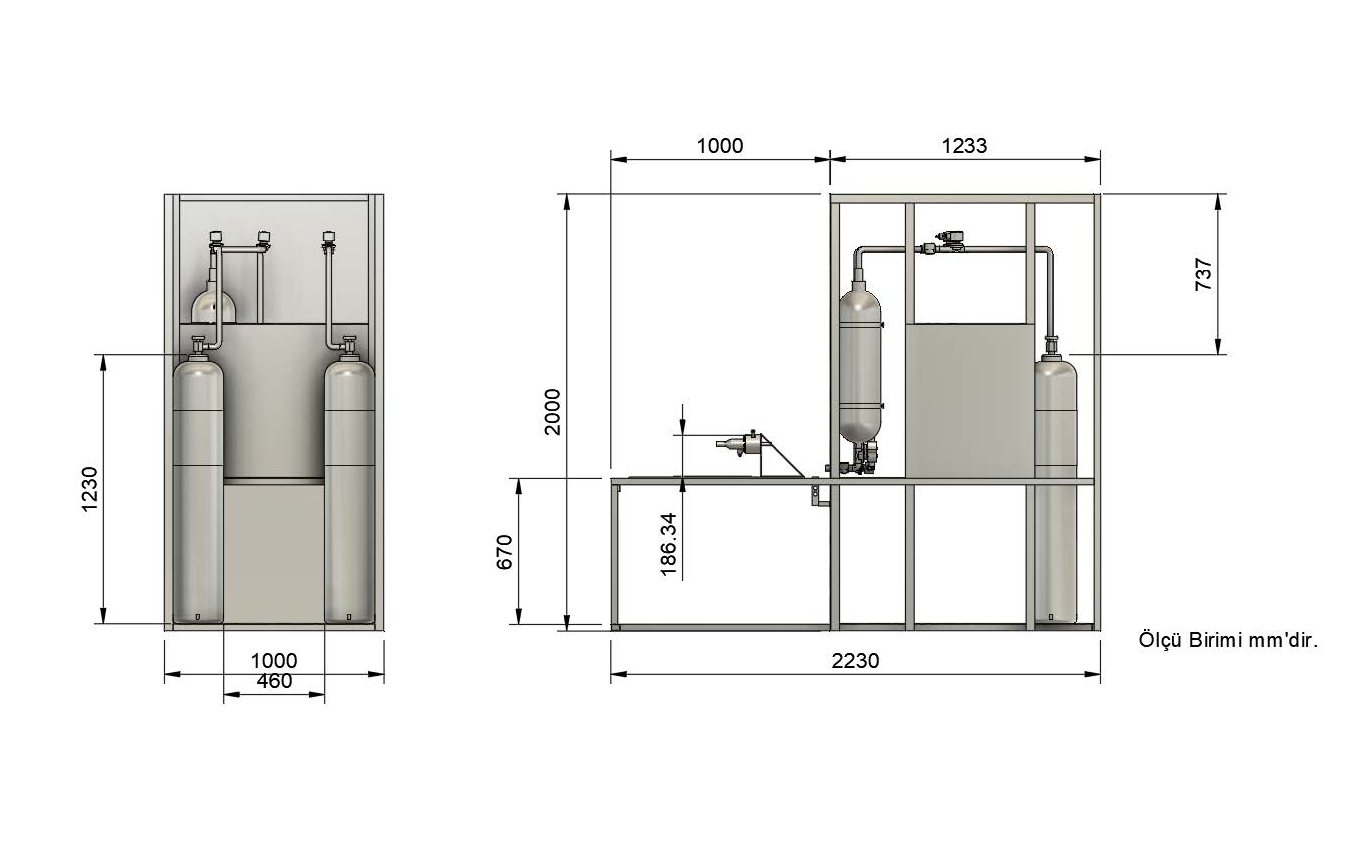
Side view of the sounding rocket1200 N class liquid-propellant rocket engineEngine and test systemExploded view of the engine: flat-flange (pancake) injectorEngine test systemTechnical drawing of the test system (dimensions in mm)Ground station control and monitoring interface
In DevelopmentSounding Rocket · Liquid Propellant

Liquid-Engine Sounding Rocket

A sounding rocket that will fly on our own liquid-propellant rocket engine, targeting an apogee of 4,452 metres. 320 cm long, 15 cm in diameter and weighing 29 kg, it will carry a 4 kg scientific payload to the target altitude with an original 1200 N class liquid-propellant engine delivering 11,990 N·s of total impulse.

The rocket will be recovered on its own two parachutes and the payload on a separate parachute of its own, in line with the CONOPS. Our work focuses on the thermodynamic optimisation of the liquid-propellant (N₂O and Jet-A1) engine, thrust chamber sizing, characterisation of the mixture ratio (O/F) and integrating all of these into the aerodynamic airframe within a mass budget that keeps the flight stable.

Target apogee
4,452 m
Length · Diameter
320 cm · 15 cm
Mass
29 kg
Payload
4 kg
Engine
1200 N class, liquid
Total impulse
11,990 N·s
Fuel · Oxidiser
Jet-A1 · N₂O
O/F · Specific impulse
6 · 163 s
Chamber pressure
15 bar
Recovery
2 parachutes + separate payload parachute

Main design challenges
  1. 01
    Feed linesThe thermodynamic difficulties that the high vapour pressure (55 bar) of self-pressurising nitrous oxide creates in the feed lines.
  2. 02
    Combustion stabilityLow-frequency combustion instabilities (chugging) and flashback in the combustion chamber.
  3. 03
    Mass budgetThe risk of the injector block growing large enough to hurt the rocket's dry mass and PMF balance.
Our solutions
  1. 01
    Flat-flange injectorWe replaced heavy single-element coaxial designs with a high dribble volume by a lightweight flat-flange (pancake) injector architecture.
  2. 02
    Achievable performanceInstead of theoretical peak values we accounted for real losses and mixing inefficiencies and targeted a safe specific impulse of 163 s at O/F = 6.
  3. 03
    Triplet impinging injectorWe set an optimum pressure drop between the feed pressure and the 15 bar chamber pressure. A 5-group unlike triplet impinging injector targets homogeneous combustion; orifice sizes were verified with fluid dynamics equations.
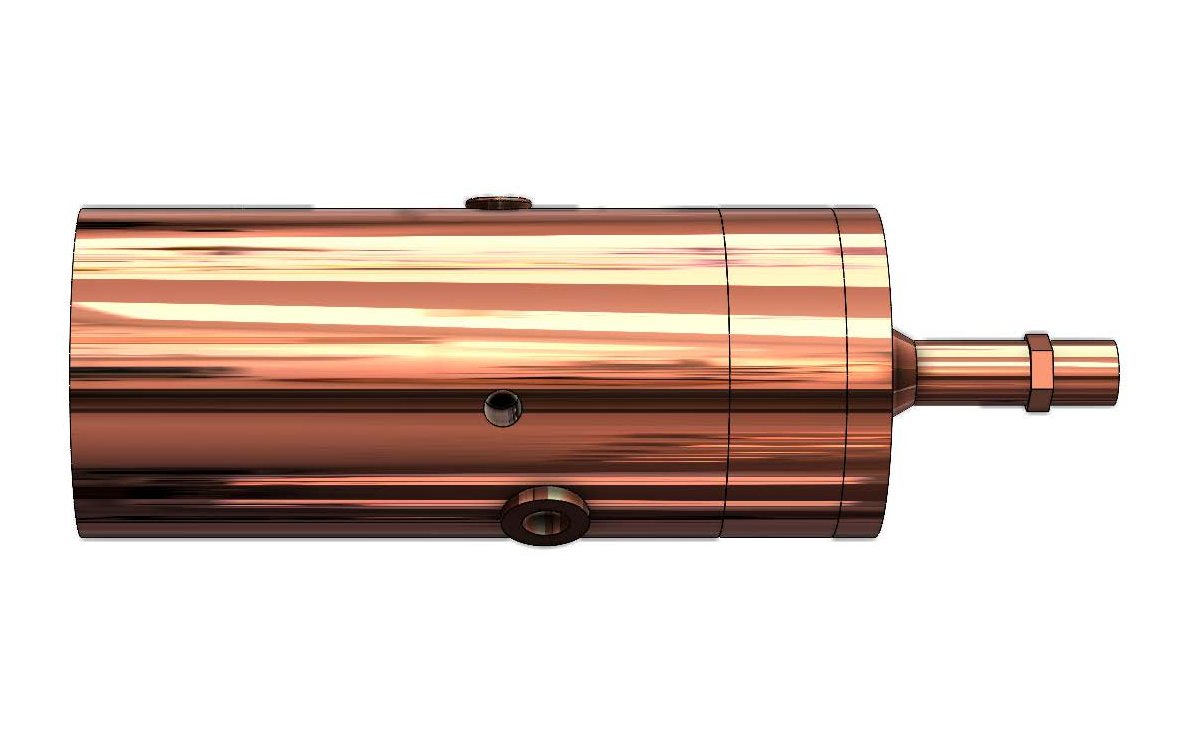
100 N liquid-propellant rocket engine (CuCrZr)
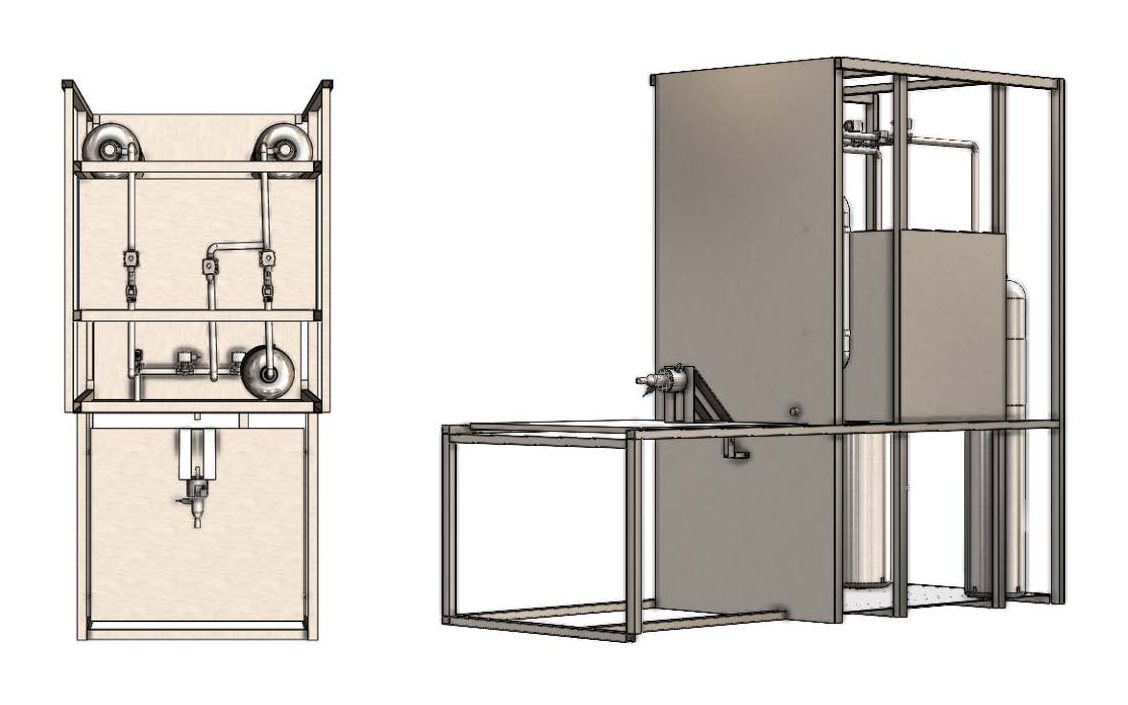
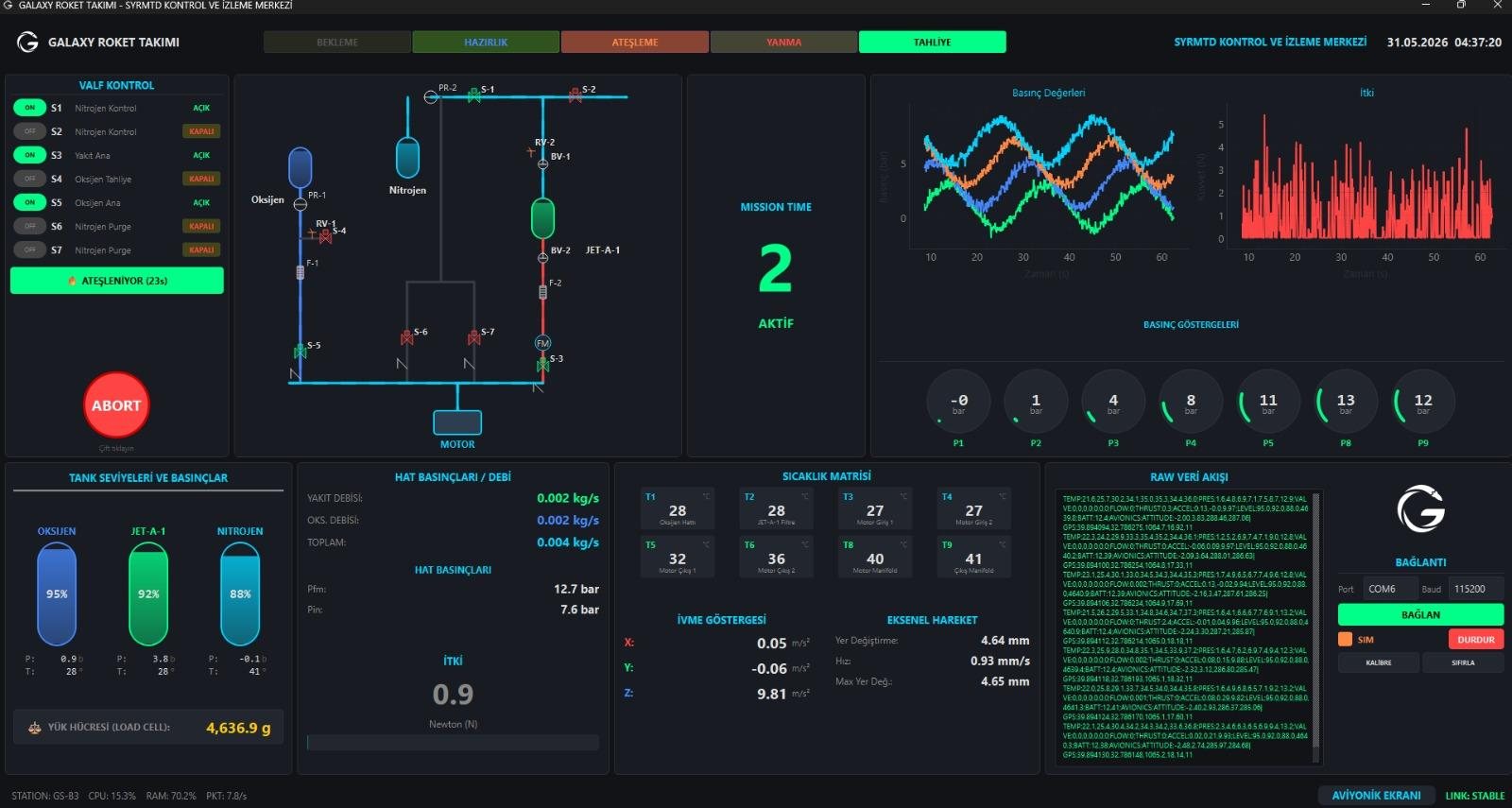
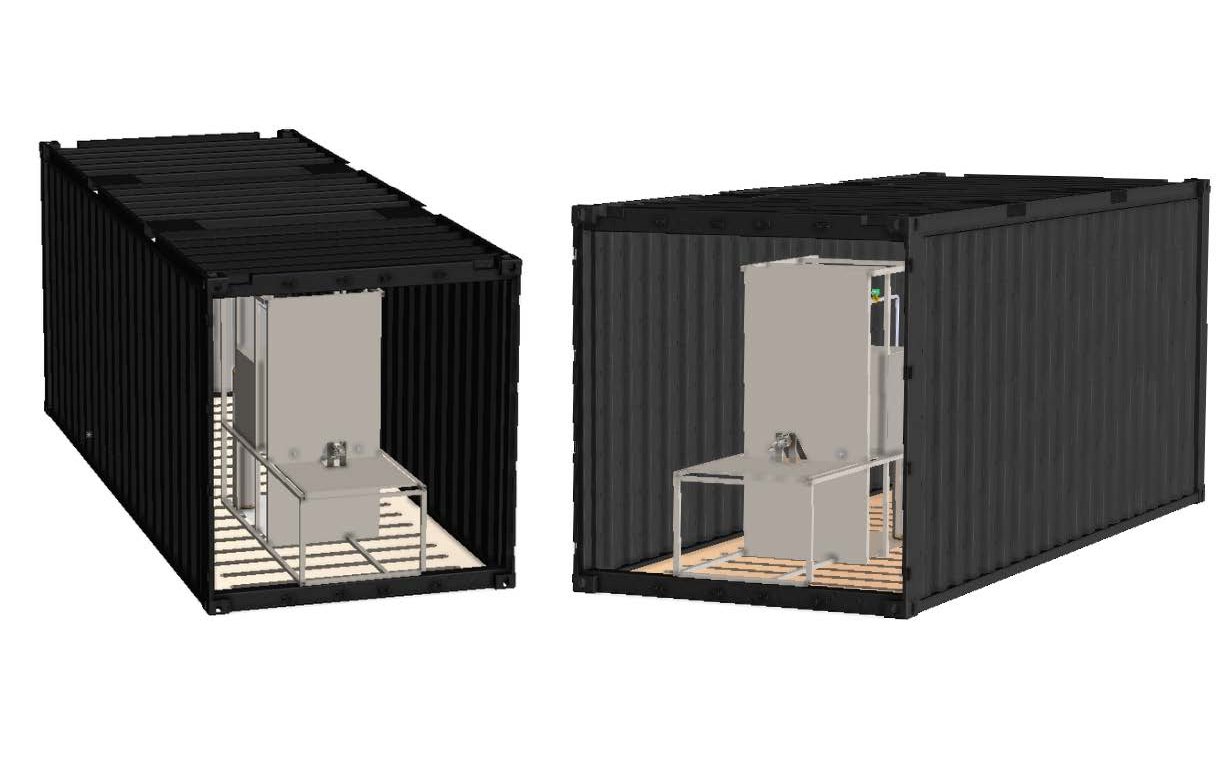
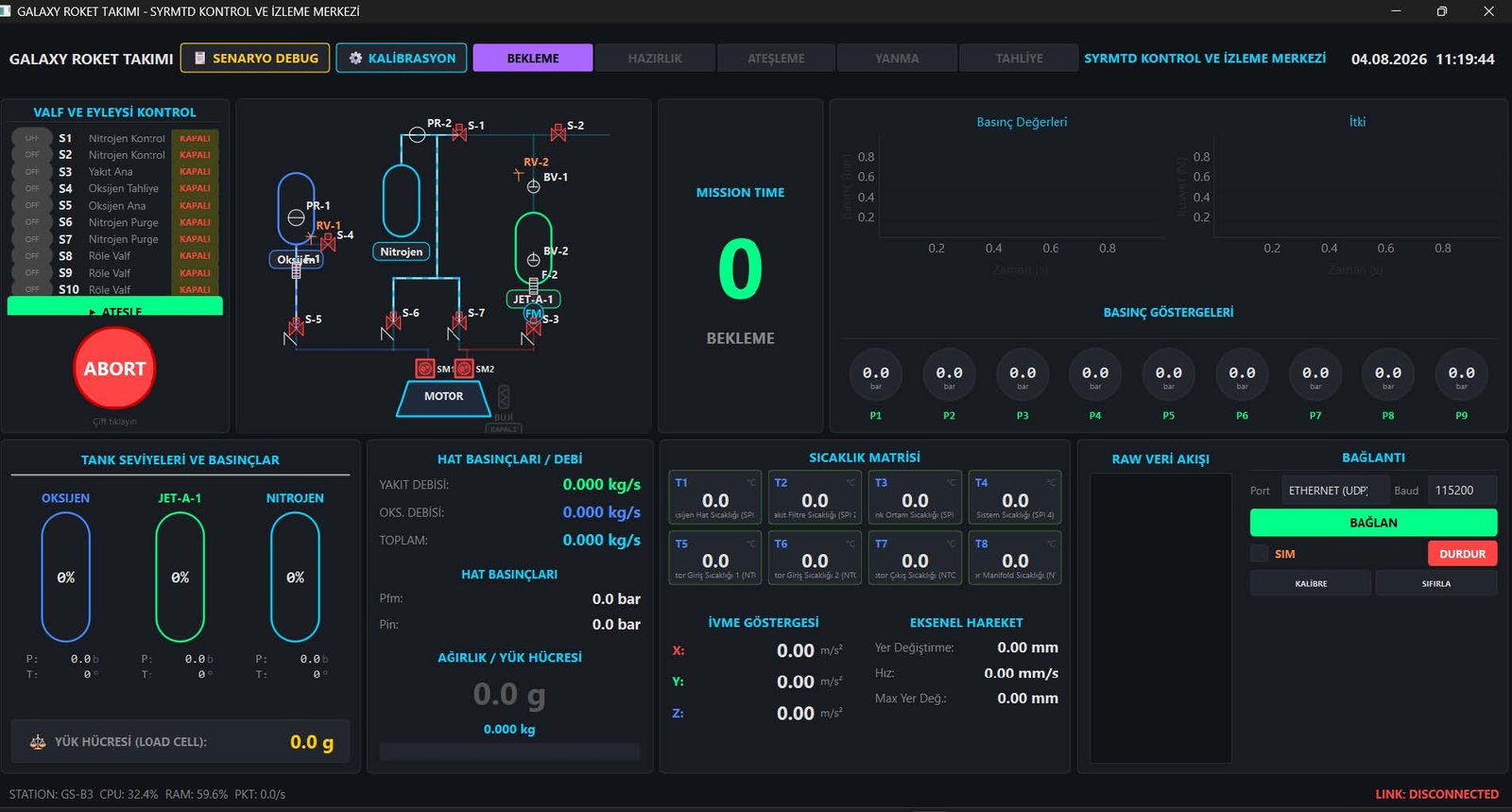
Engine test area on campus: test stand and gas cylindersEngine test stand and feed lineTest area and fire safety measures100 N engine test systemContainer layout of the test systemTest ground station interface
In DevelopmentTEKNOFEST 2025 · B3 Original Liquid-Propellant Rocket Engine

100 N Liquid-Propellant Rocket Engine

Developed for the TEKNOFEST 2025 Rocket Competition B3 – Original Liquid-Propellant Rocket Engine Development category, the engine is designed to produce 100 N of thrust with gaseous oxygen and Jet-A1, burn stably for 10 seconds at a chamber pressure of 10 bar and reach a vacuum specific impulse of at least 260 seconds.

The project is a multidisciplinary engineering effort covering propellant selection, combustion chamber and nozzle design, performance prediction with thermochemical calculations, dynamic simulations in a mathematical modelling environment, structural material analyses and the safe operation of the system. The goal is to design and analyse the engine and verify it through testing.

Thrust
100 N
Burn time
10 s
Chamber pressure
10 bar
Specific impulse (vacuum)
≥ 260 s
Main design challenges
  1. 01
    Safe combustionEnsuring safe, stable combustion under high temperature and pressure.
  2. 02
    Optimum thrustReaching the target thrust and specific impulse with an efficient design.
  3. 03
    Materials and thermal balanceChoosing the right material for the chamber, injector and nozzle while keeping the thermal balance.
Our solutions
  1. 01
    Simulink modelWe built a MATLAB Simulink combustion and flow simulation that models thrust, specific impulse and temperature over time.
  2. 02
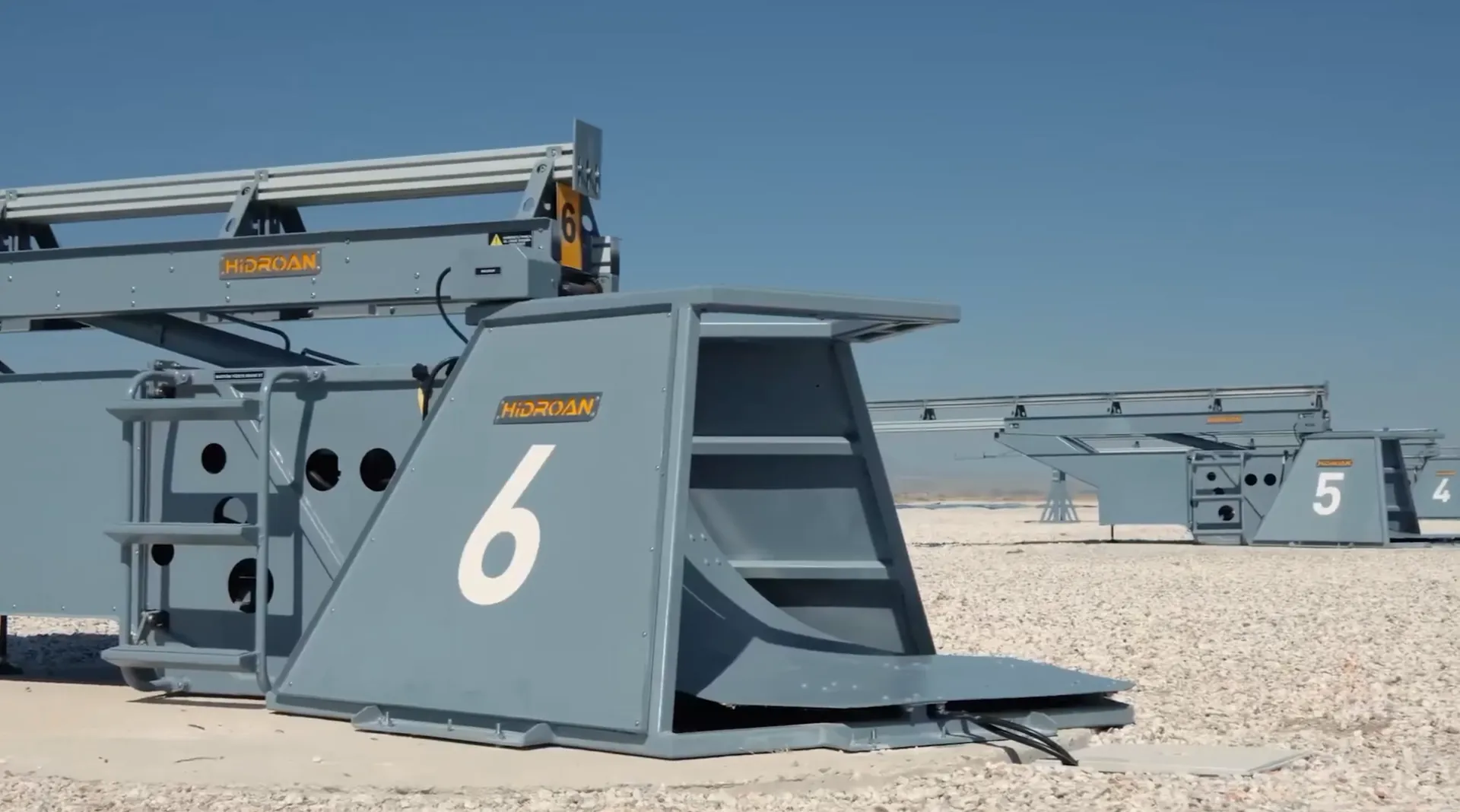
    Numerical optimisationWe ran numerical optimisations on the nozzle geometry, injection system and mixture ratio to raise efficiency and ensure safe operation.
  3. 03
    VerificationWe followed a verification process based on thermochemical calculations, fluid mechanics models and engineering design principles.
Technical specifications
SubsystemParameterValue
General engine dataEngine typeLiquid propellant
Fuel · OxidiserJet-A1 · Gaseous oxygen
Total impulse1,000 N·s
Peak thrust100 N
Burn time10 s
General performanceThrust (sea level)100 N
Specific impulse (Isp)260 s
Chamber pressure10 bar
Mixture ratio (O/F)3.45
Combustion chamberMaterialCuCrZr
Injector systemInjector typeSwirl
MaterialCuCrZr
NozzleMaterialCuCrZr

Flight Log

Summary flight data for the rockets we have launched.

RocketYearAltitudePayloadOutcome
Ceren Özdemir20201,500 m4 kgFirst flight
Şehit Şenay Aybüke Yalçın20211,500 m5 kgSuccessful
SES202210,000 ft5 kgTEKNOFEST 2022
Göktürk2022——Successful launch and recovery
Şehit Eren Bülbül202314,000 ftPolaris · 4 kgSuccessful · live video

Satellites and Subsystems

The original payloads, control systems and avionics architectures that make our rockets possible.

Polaris Microsatellite
Satellite · 2023
Polaris Microsatellite

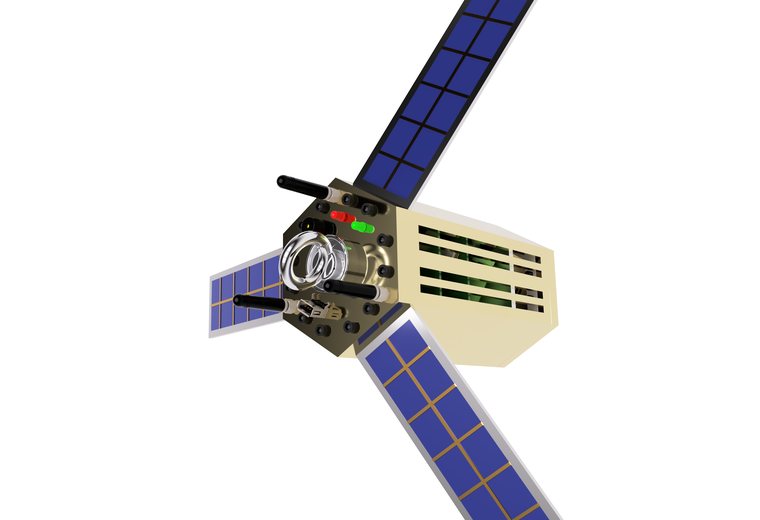
Our 4 kg Micro Atmospheric Measurement and Observation Satellite carried a sensor suite for temperature, pressure, humidity and particulate readings, flown aboard the Eren rocket and streaming live data to our ground station.

4 kgTemp · Pressure · HumidityLive data
Vectored Active Control System
Subsystem · Control
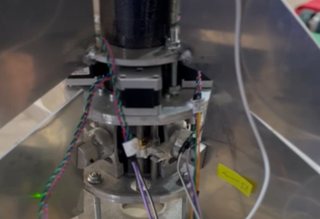
Vectored Active Control System

Our in-house control system corrects the vehicle's attitude in flight through thrust vectoring. Actuator mechanics, control algorithm and embedded software are all developed by the team.

ActuatorsControl algorithmEmbedded software
Propulsion System
Subsystem · Propulsion
Propulsion System

Our solid motor systems and liquid-fuel rocket engine project cover combustion chamber, injector design, cooling and feed line development.

Solid motorLiquid engineInjector · Cooling
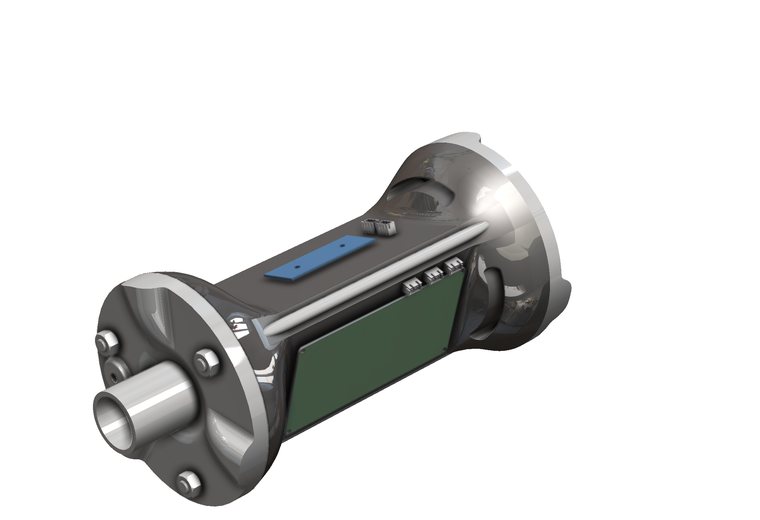
Avionics Capsule
Subsystem · 2025
Avionics Capsule

Our modular avionics architecture combines flight computer, telemetry, power distribution and recovery triggering in one capsule, working alongside our 35 km+ communication module.

Flight computerTelemetry35 km+ link
Structural Stress Payload
Subsystem · 2025
Structural Stress Payload

A payload that records strain and vibration data on the airframe during flight, used to validate structural design and optimise the mass of future vehicles.

StrainVibrationStructural validation
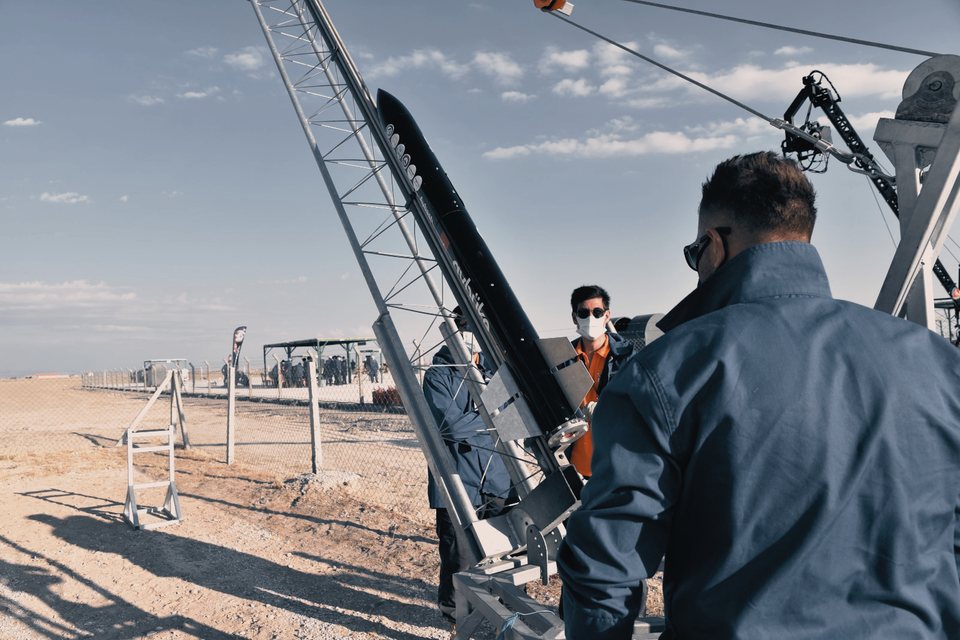
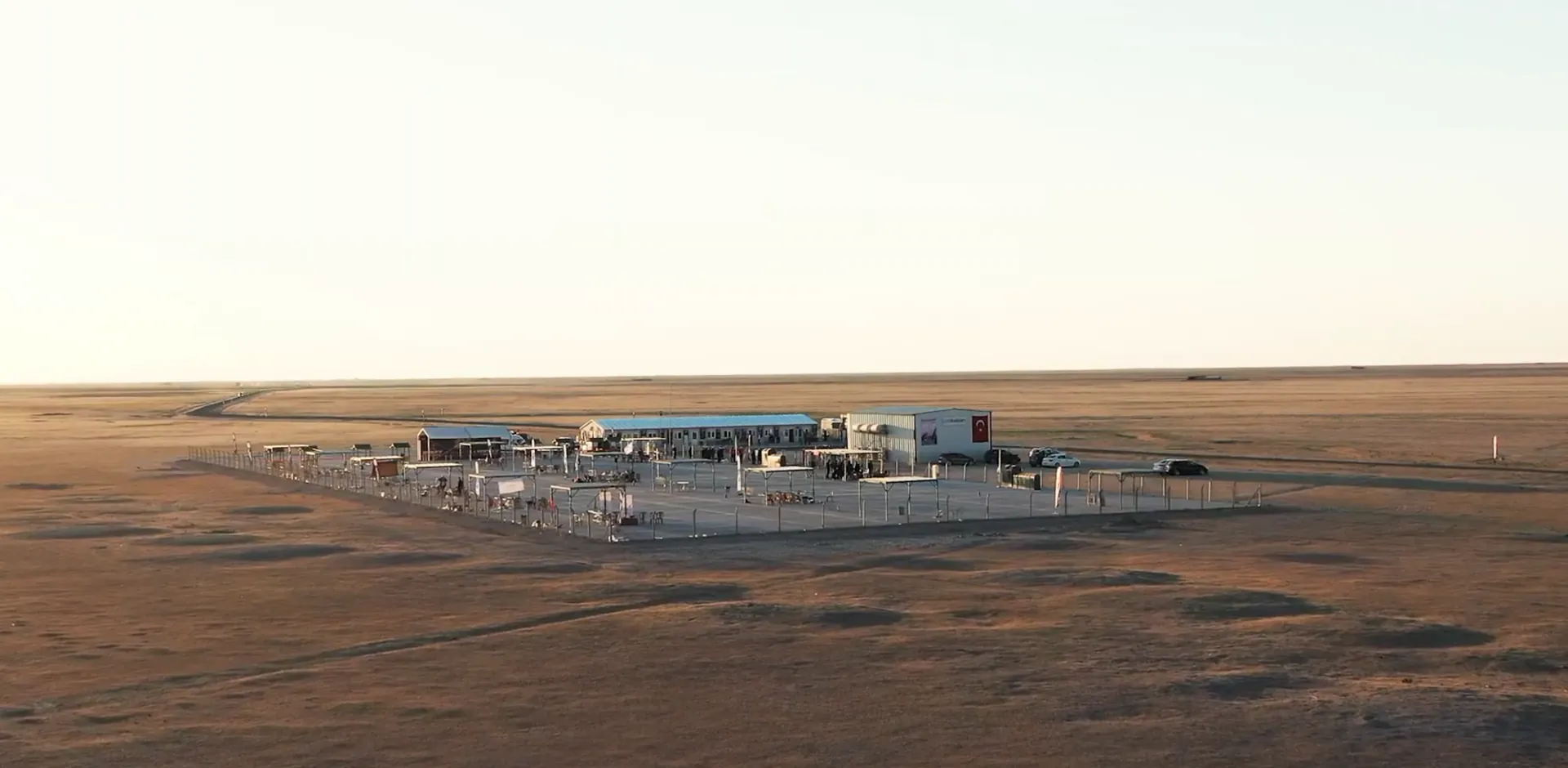
Launch Site · Aksaray

Launch day unfolds across three points.

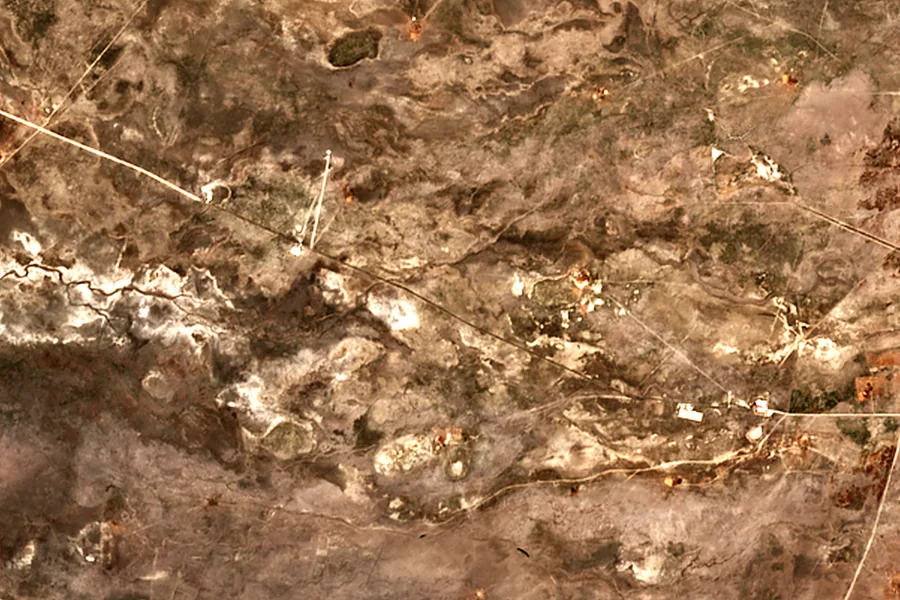
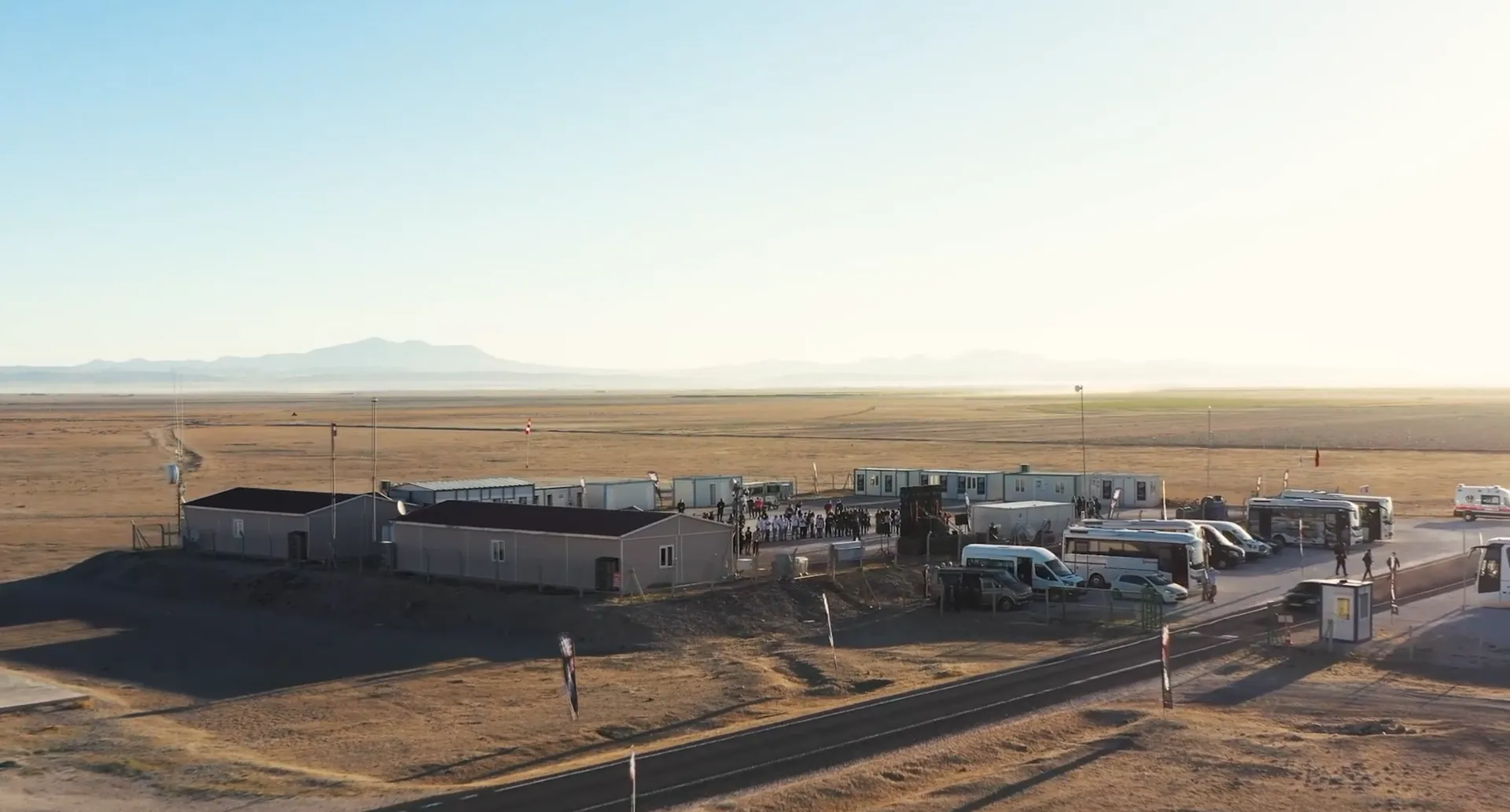
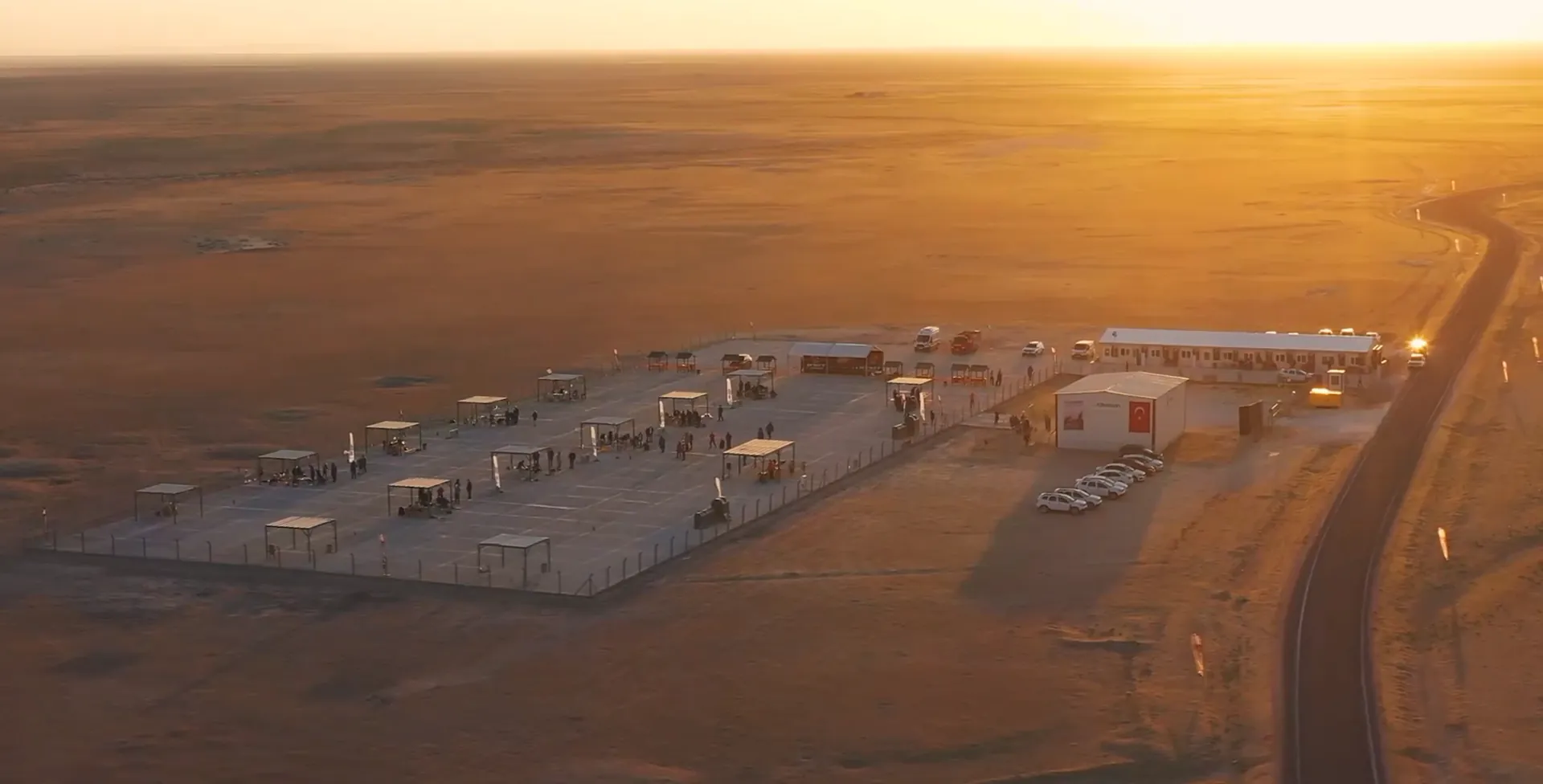
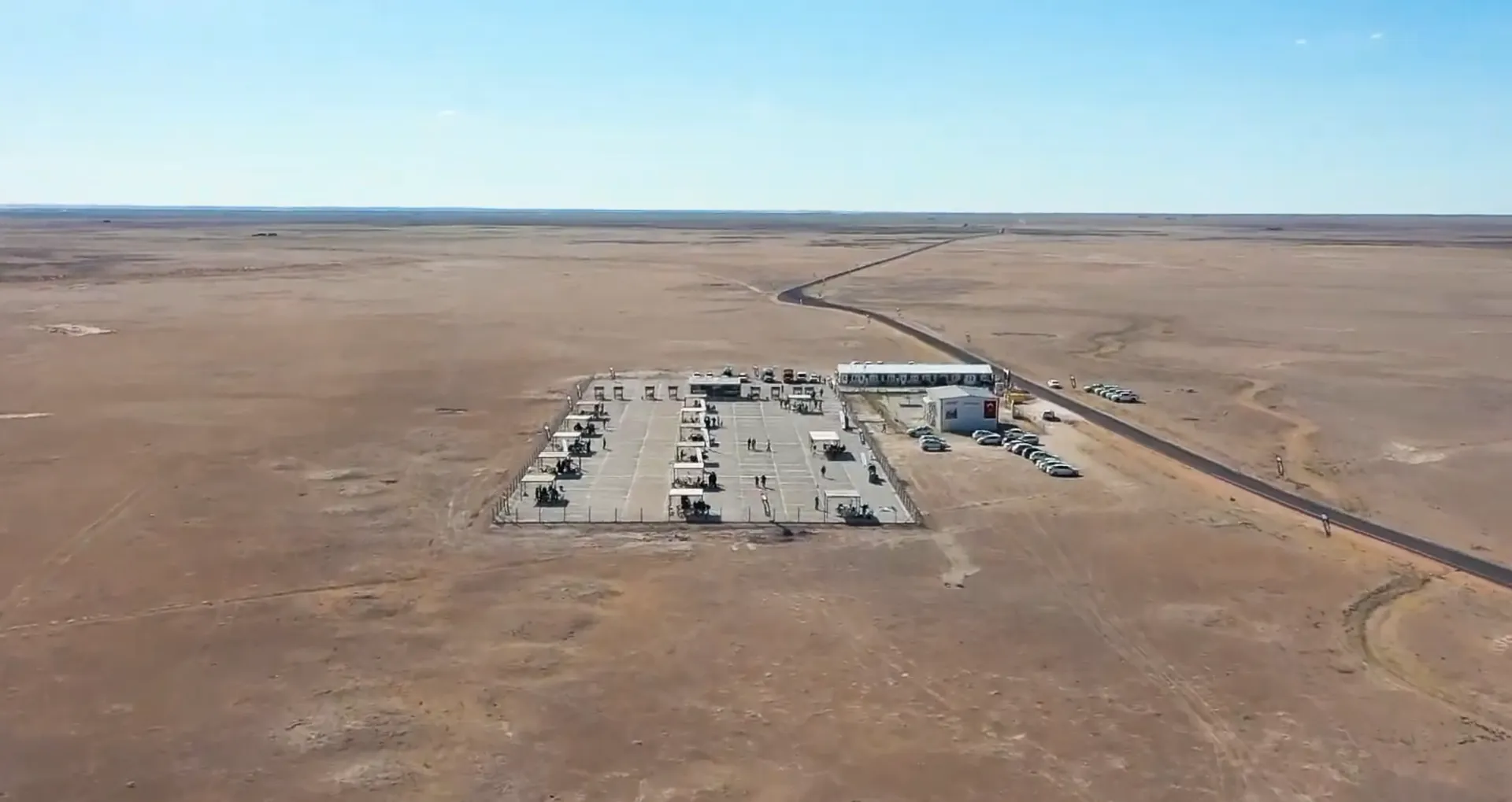
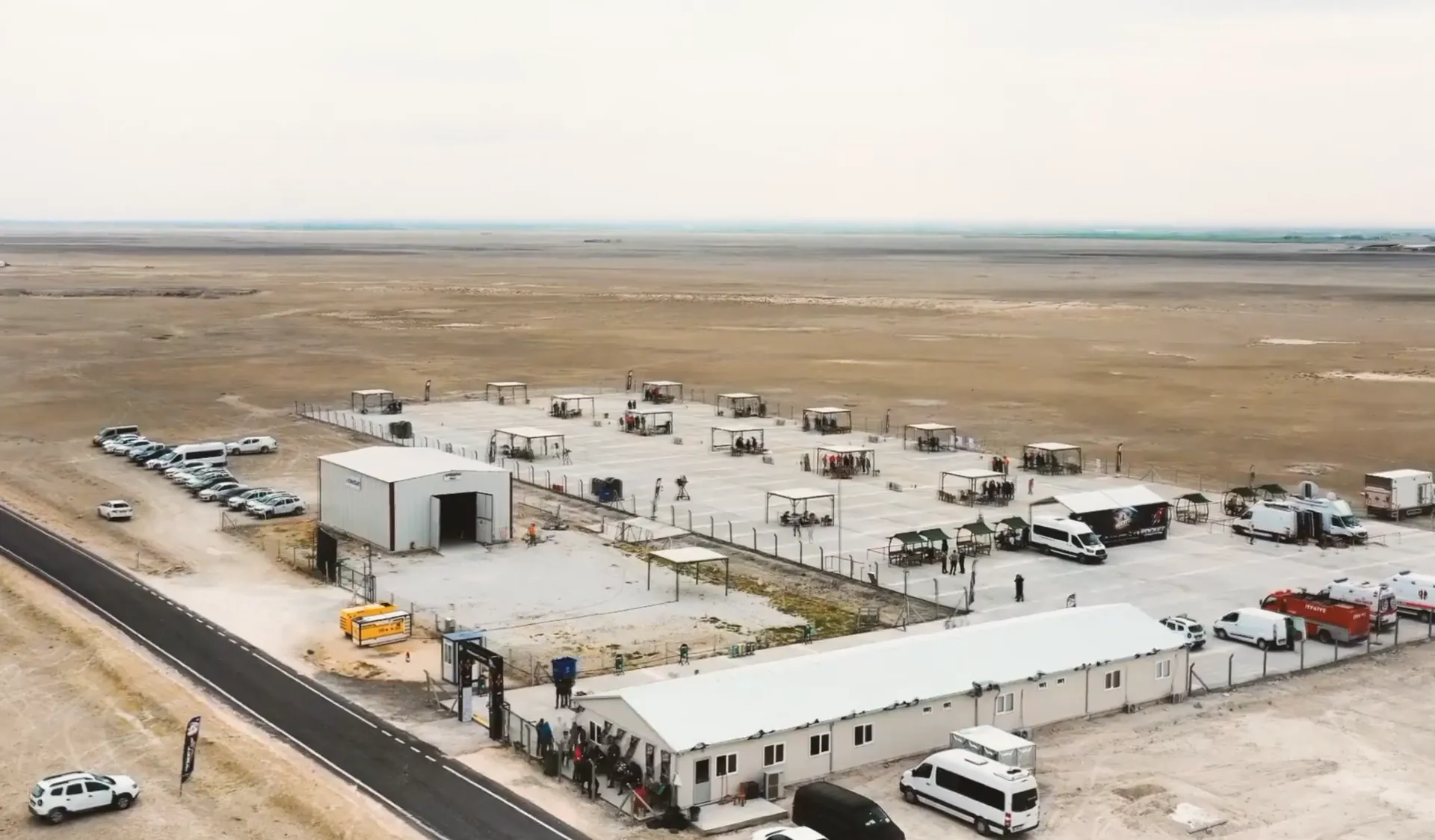
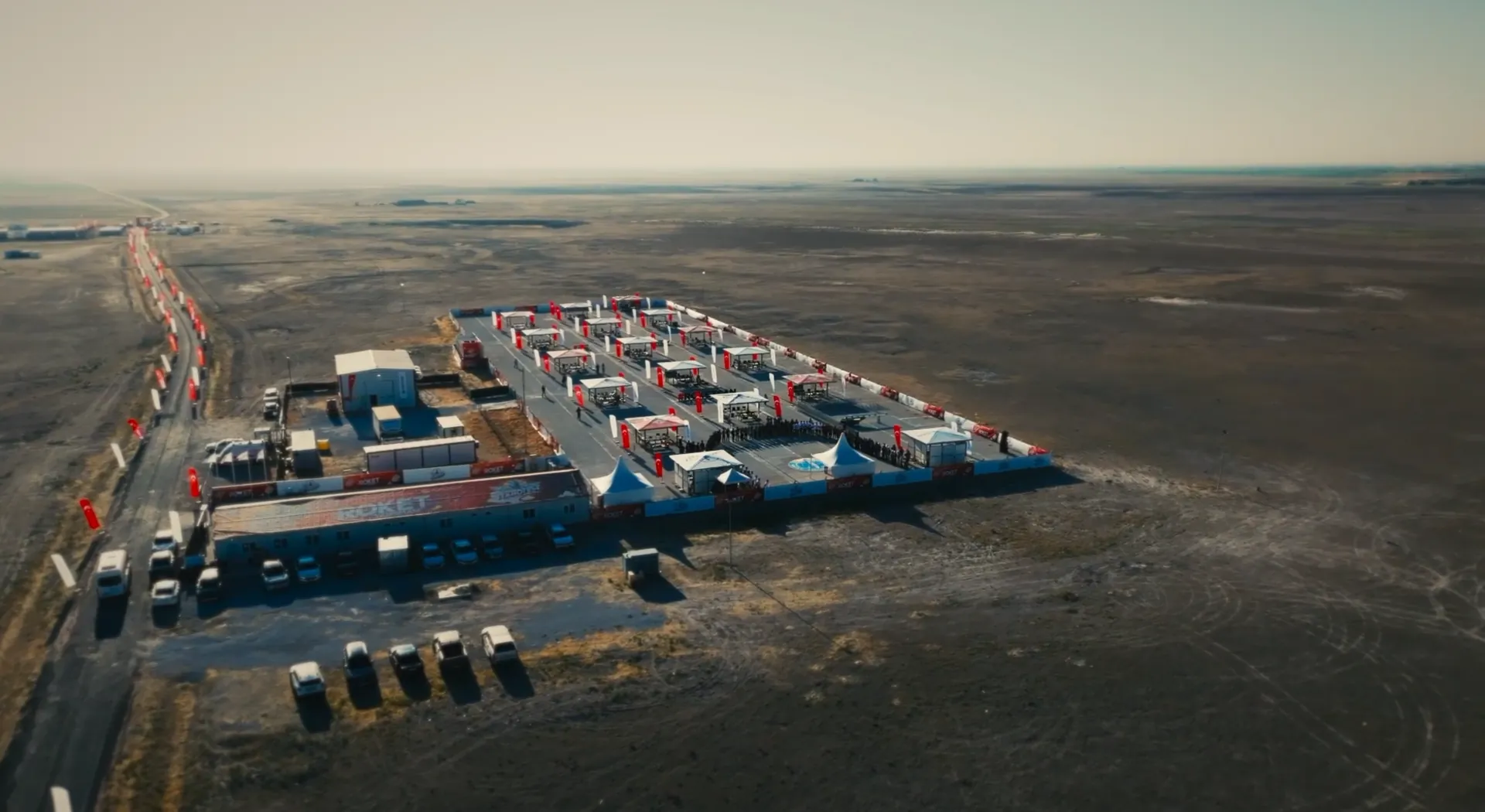
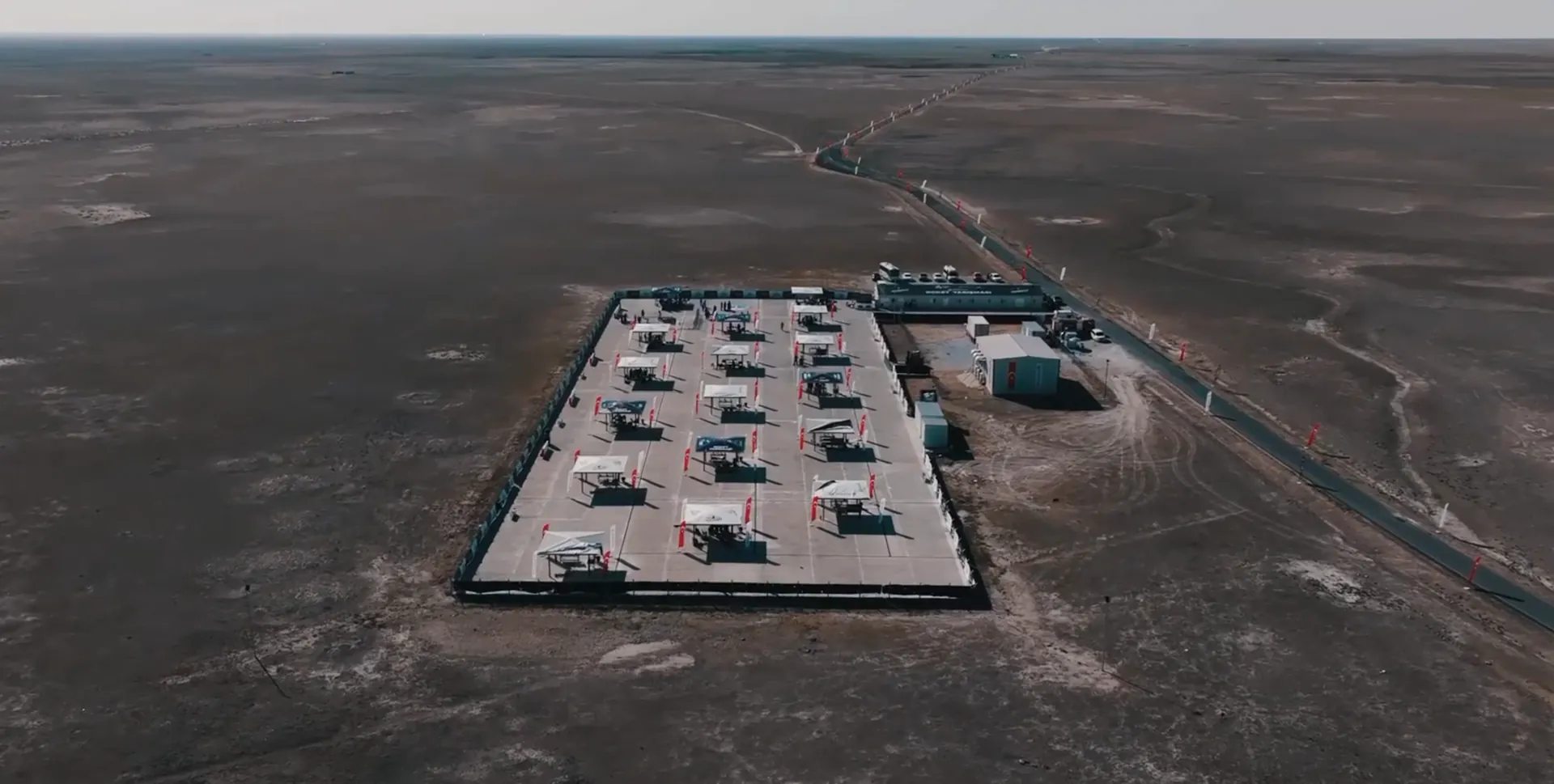
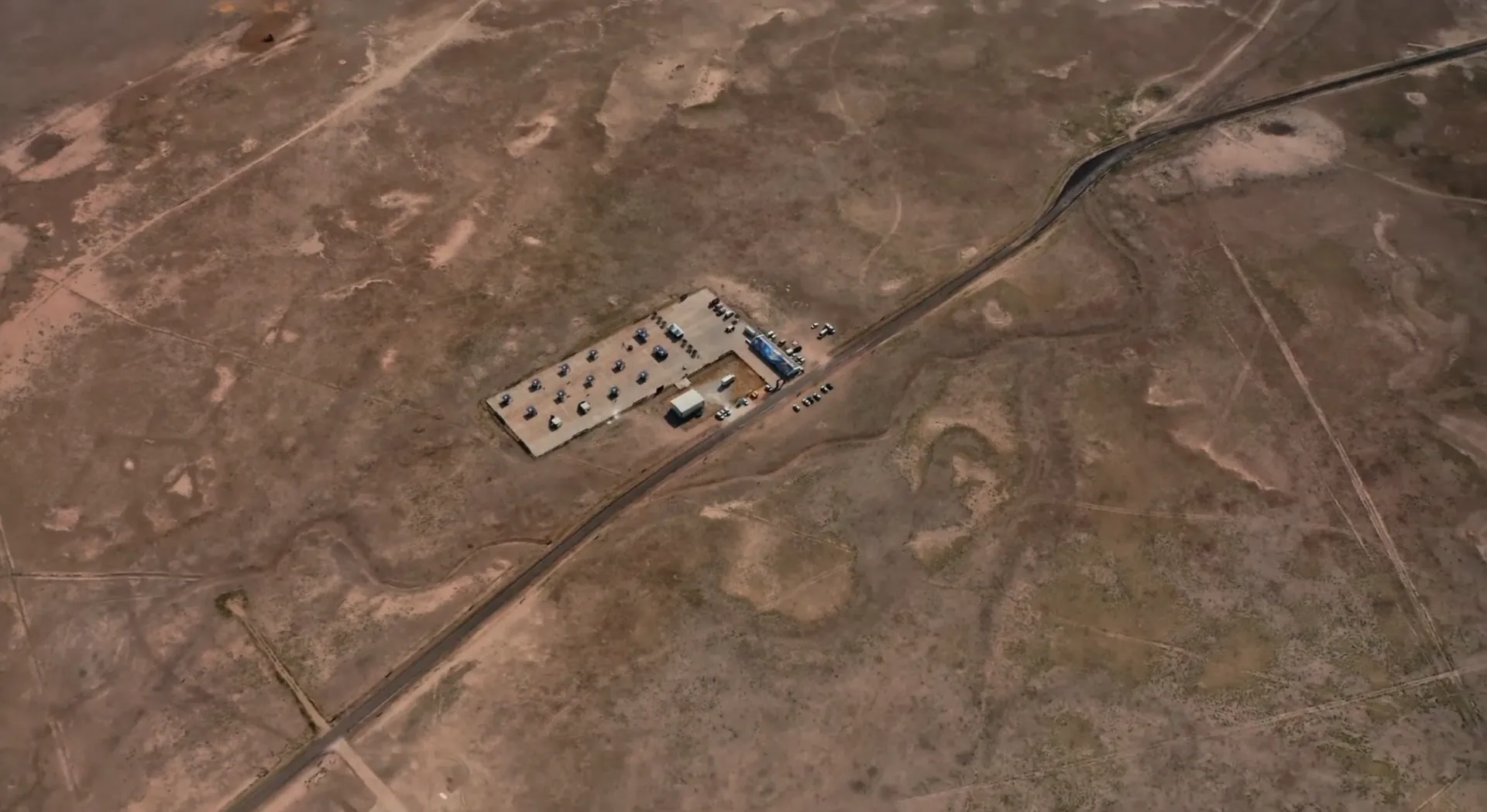
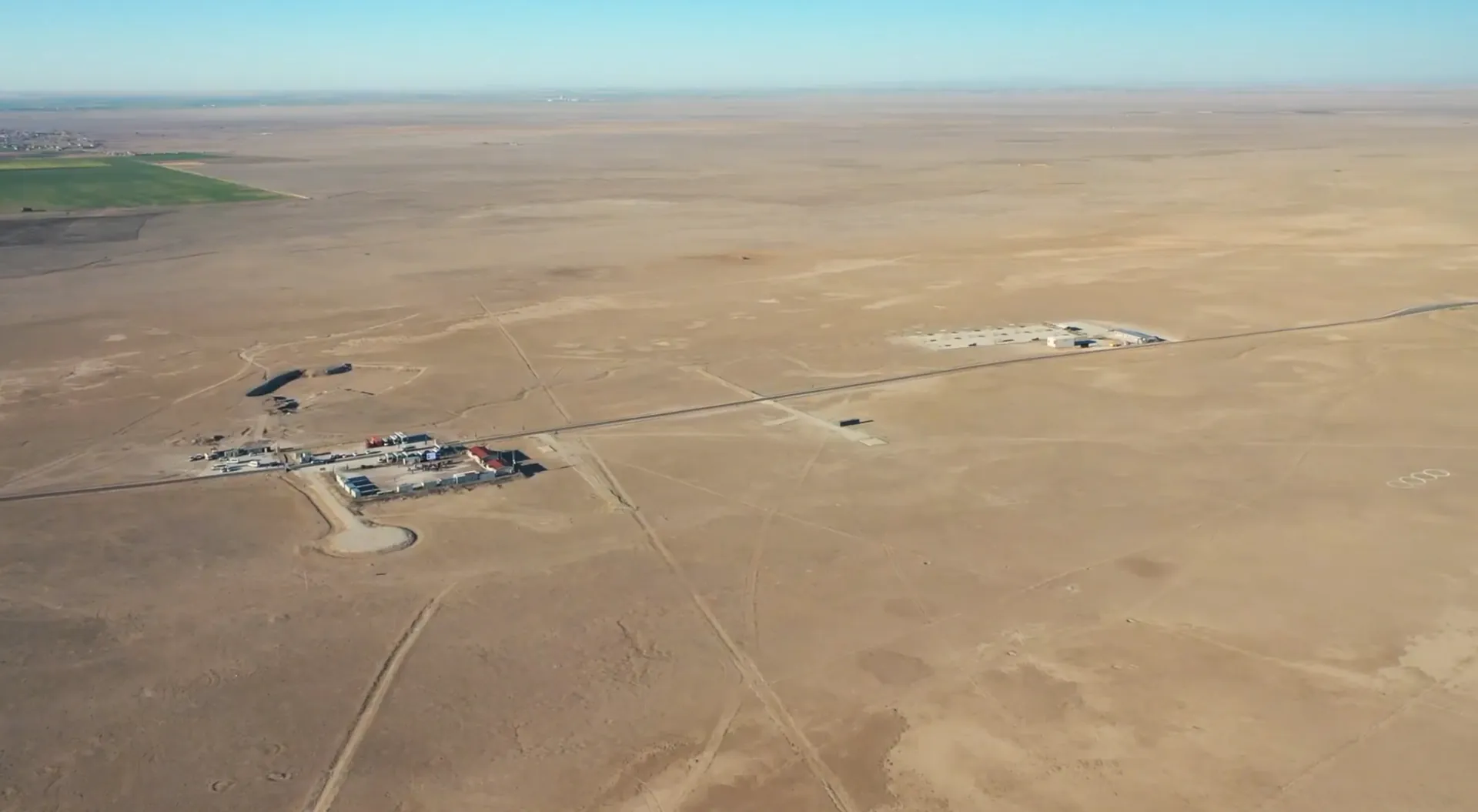
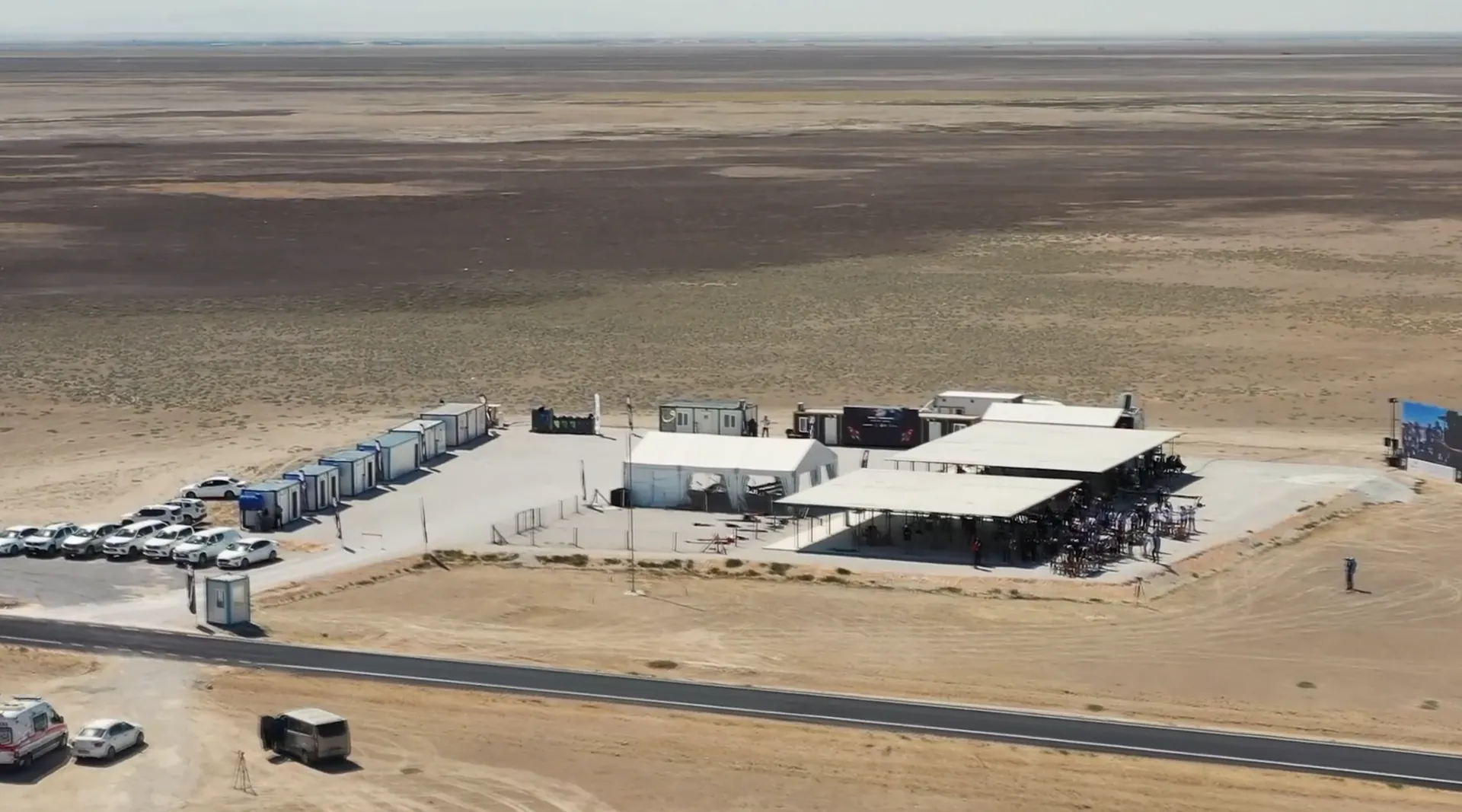
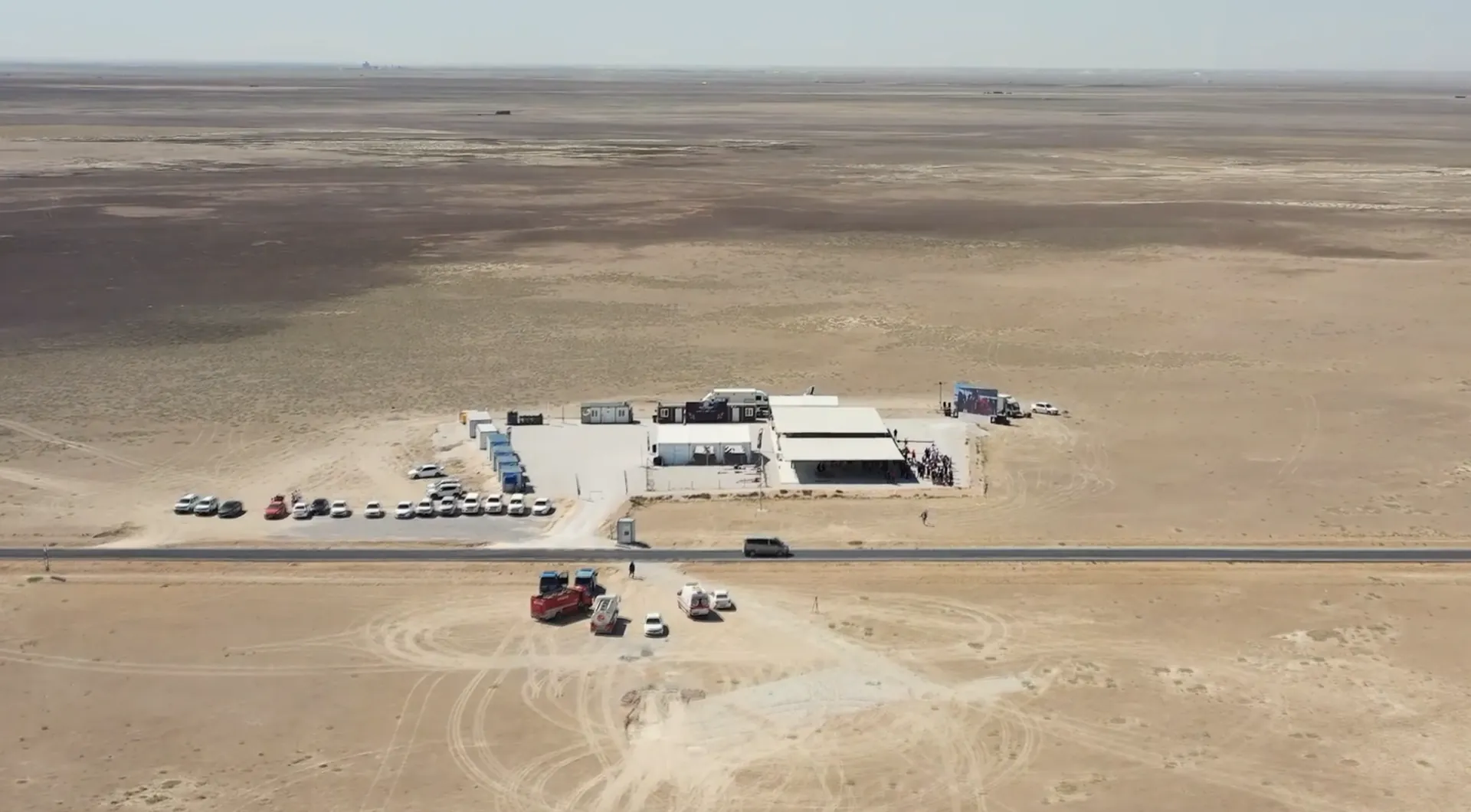
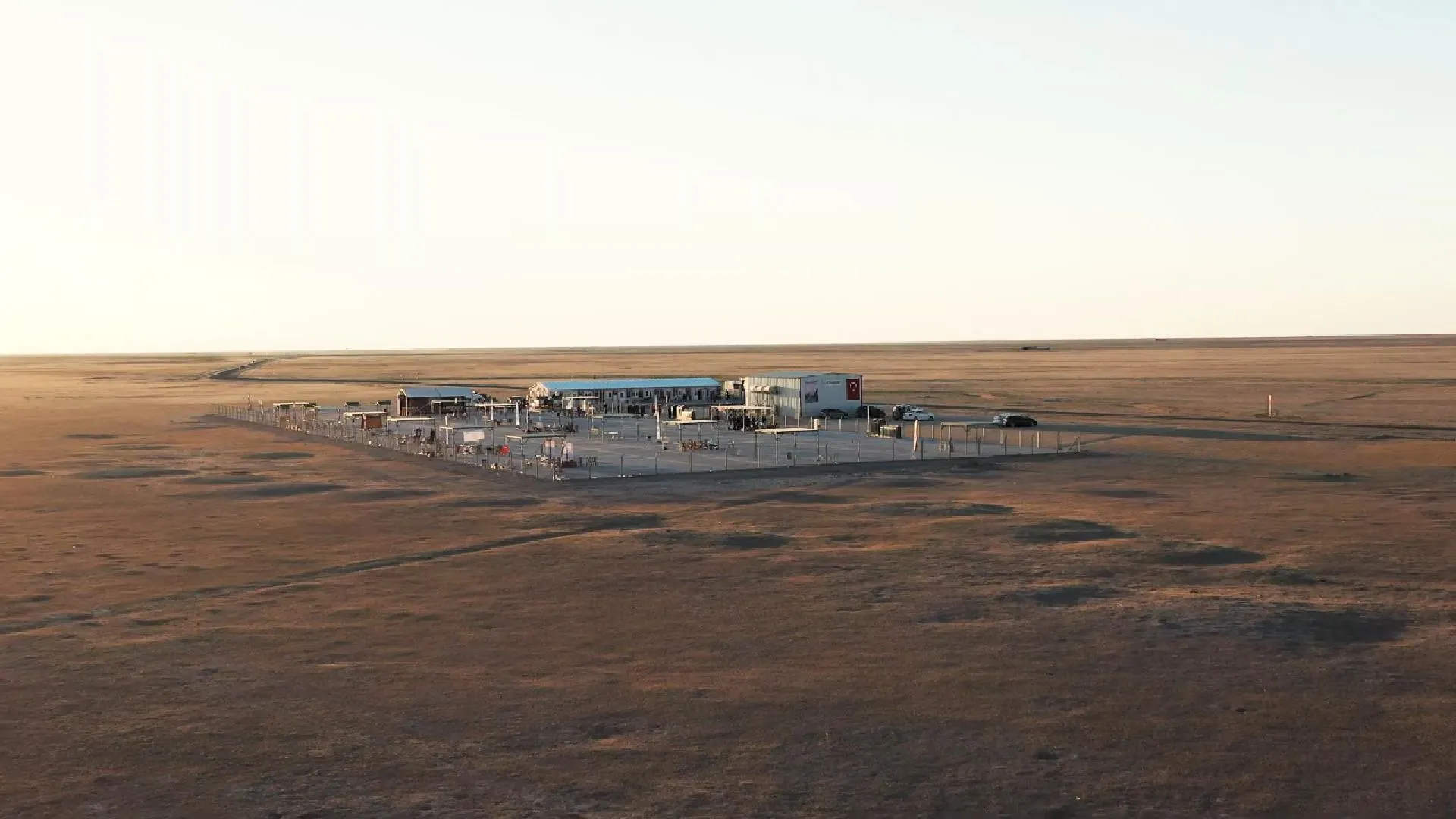
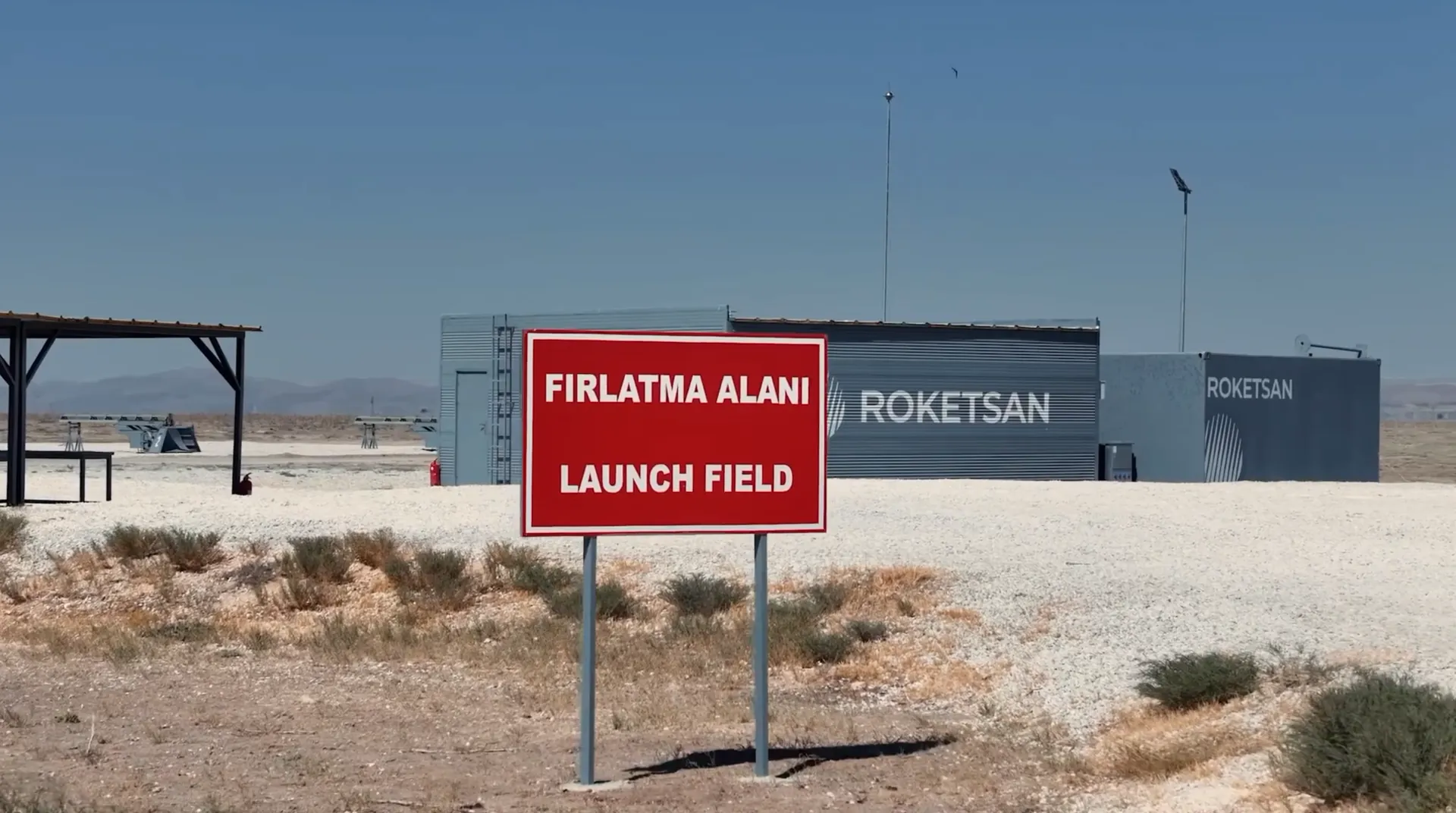
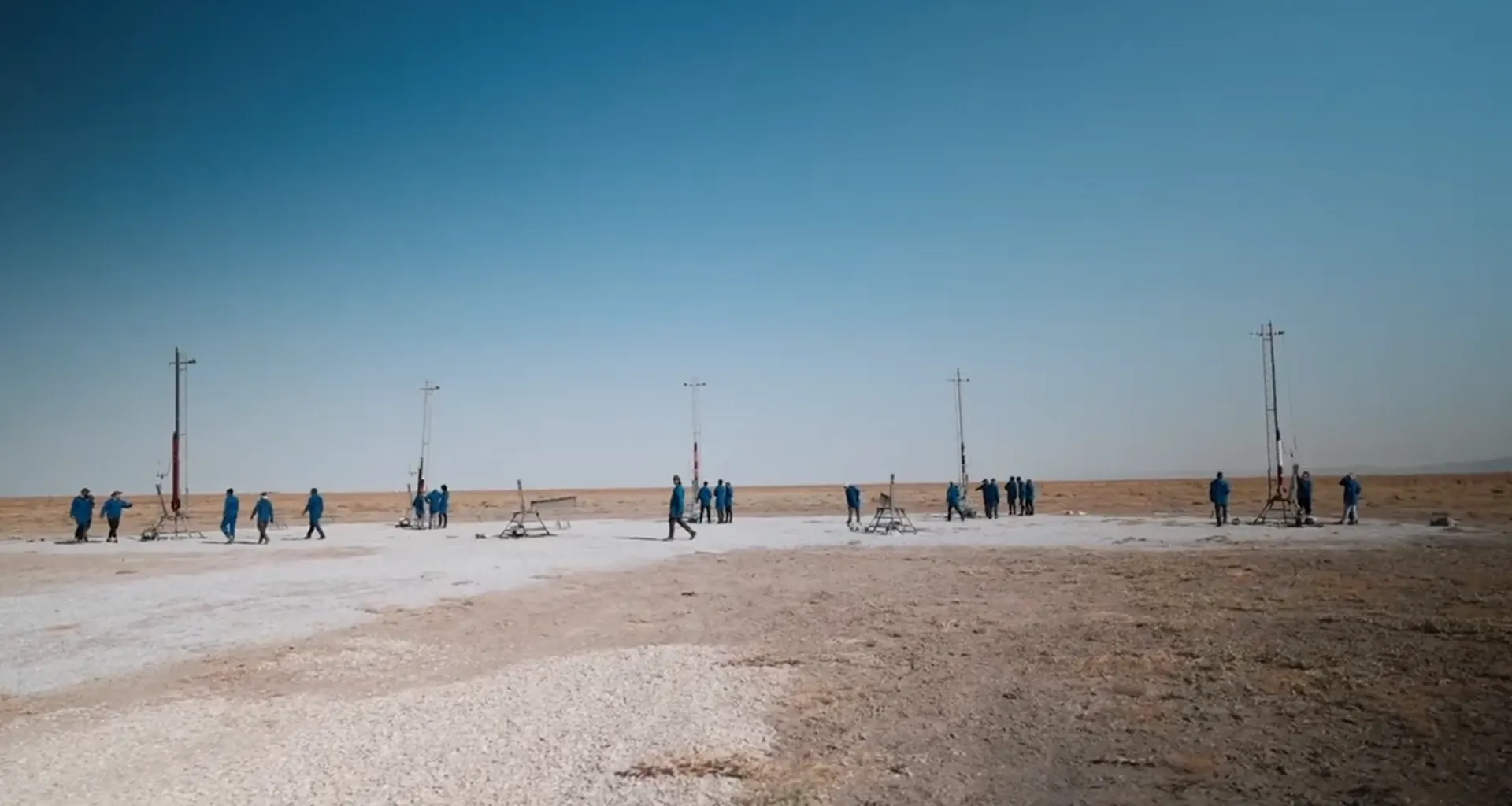
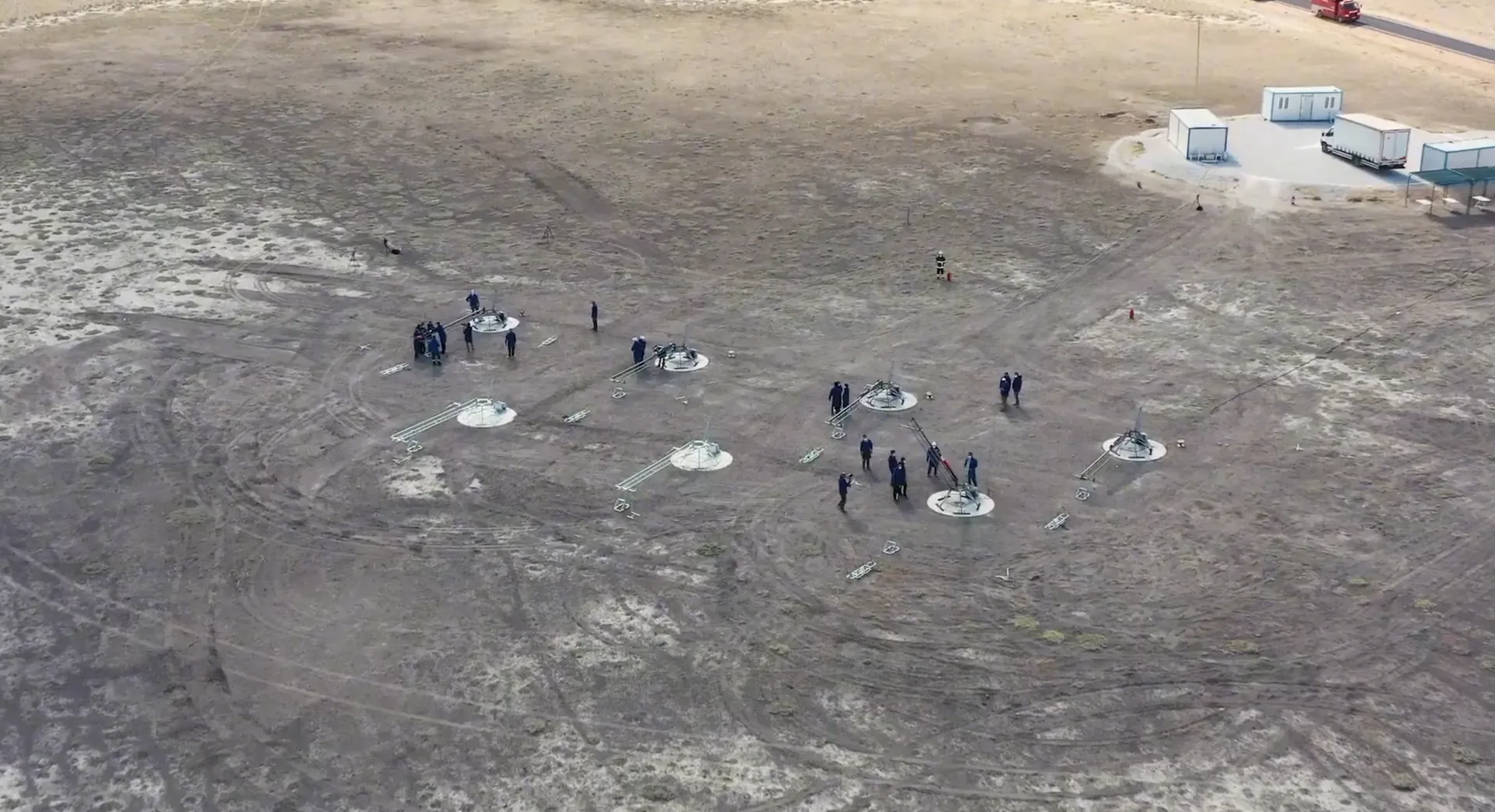
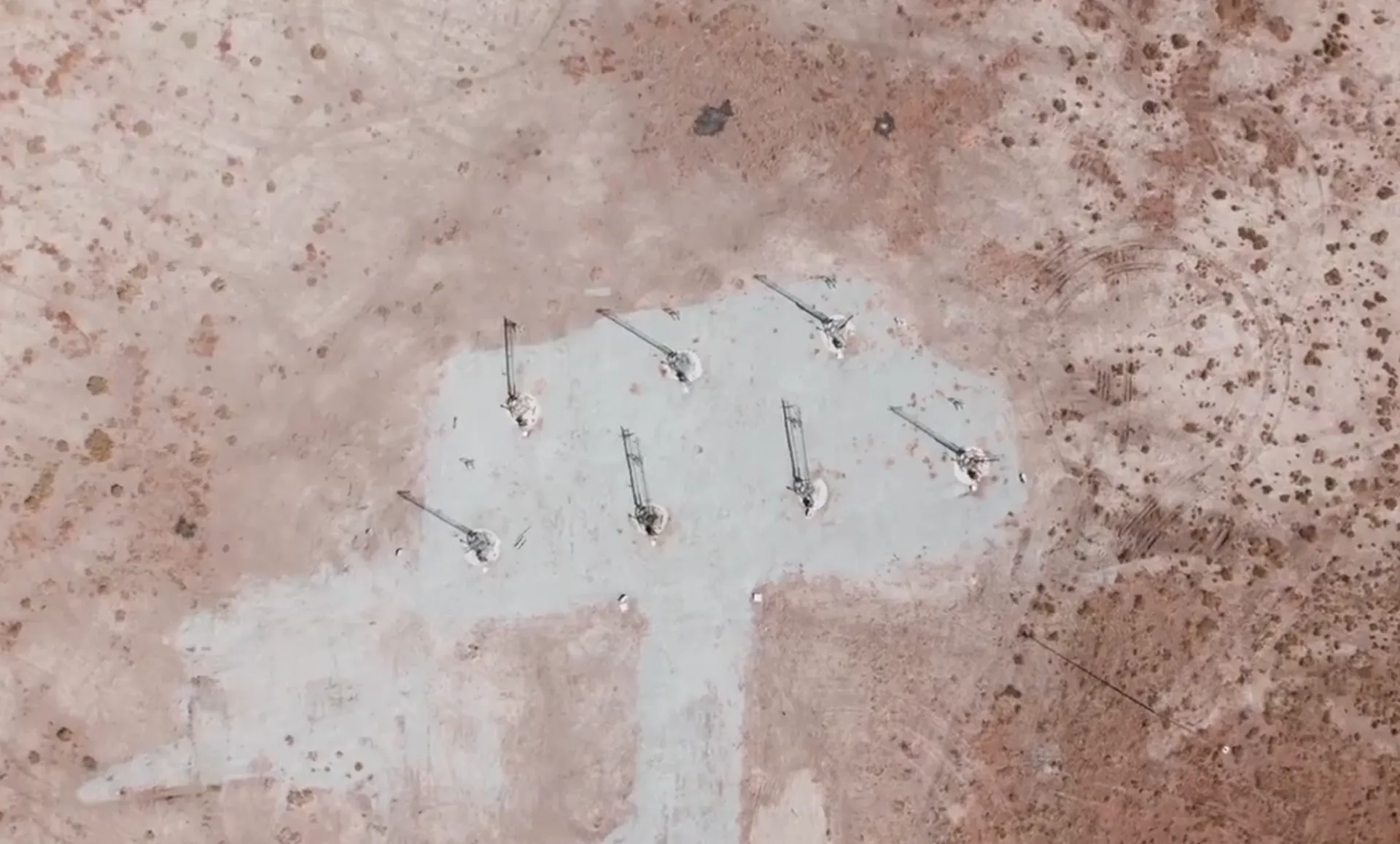
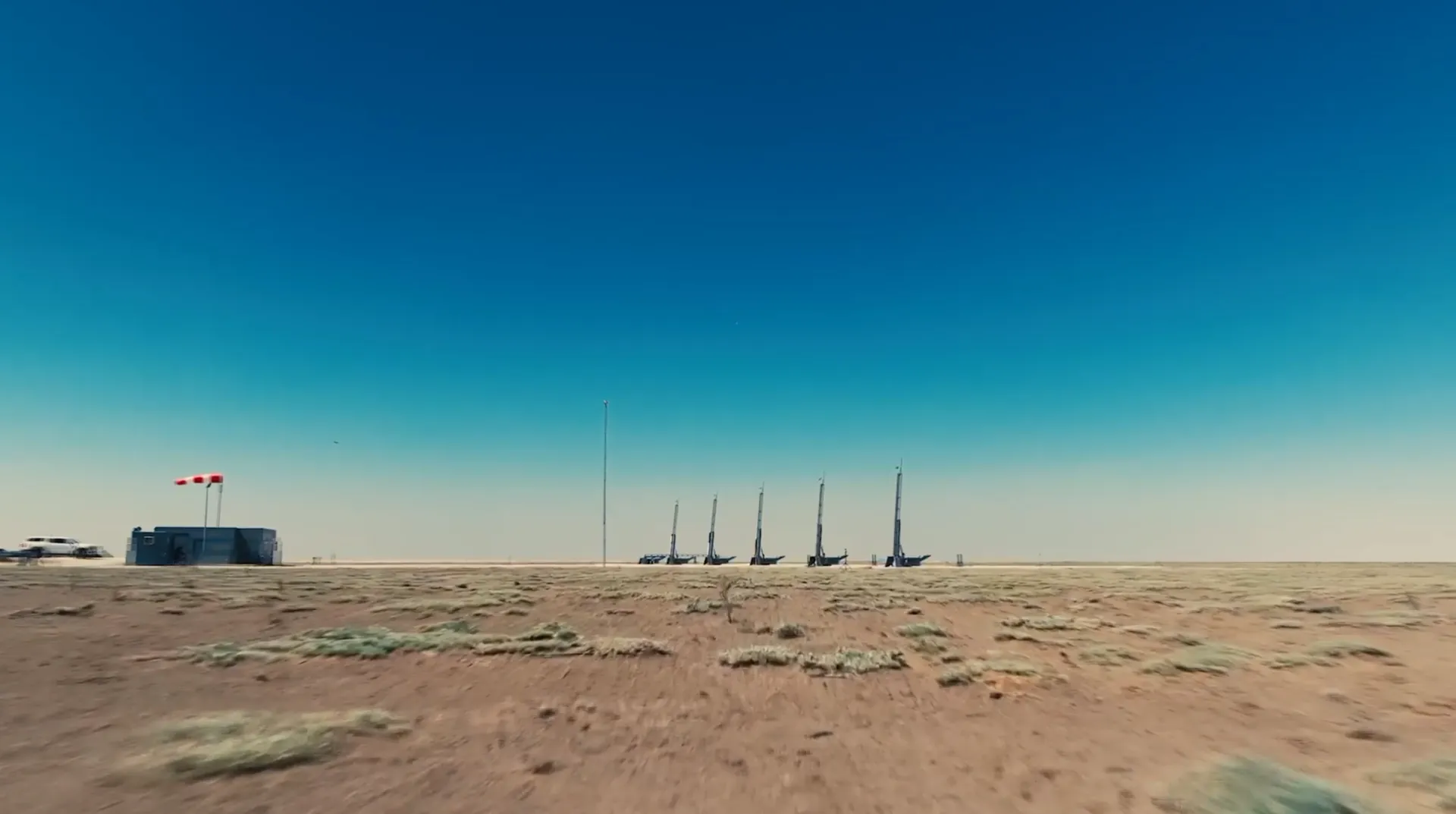
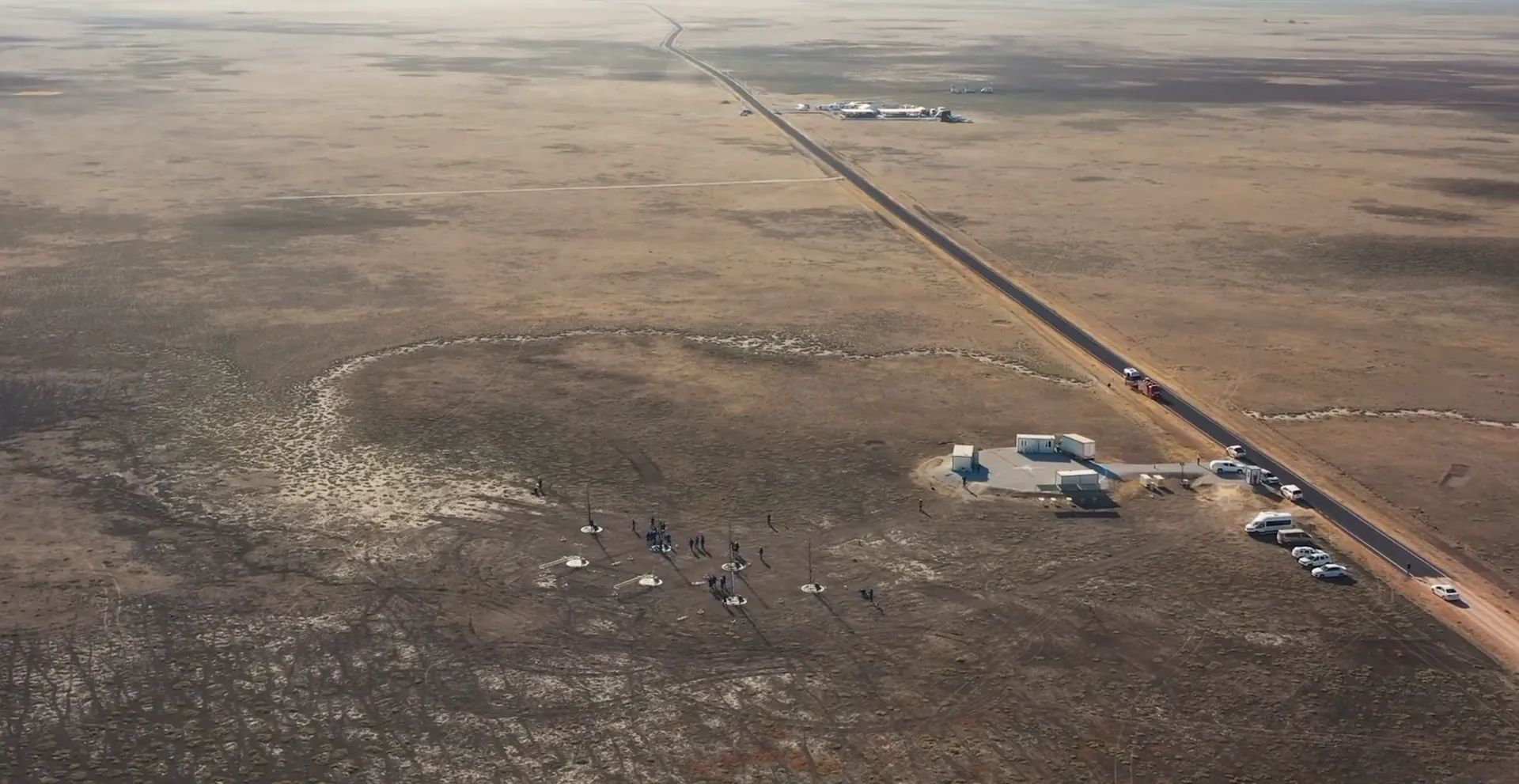
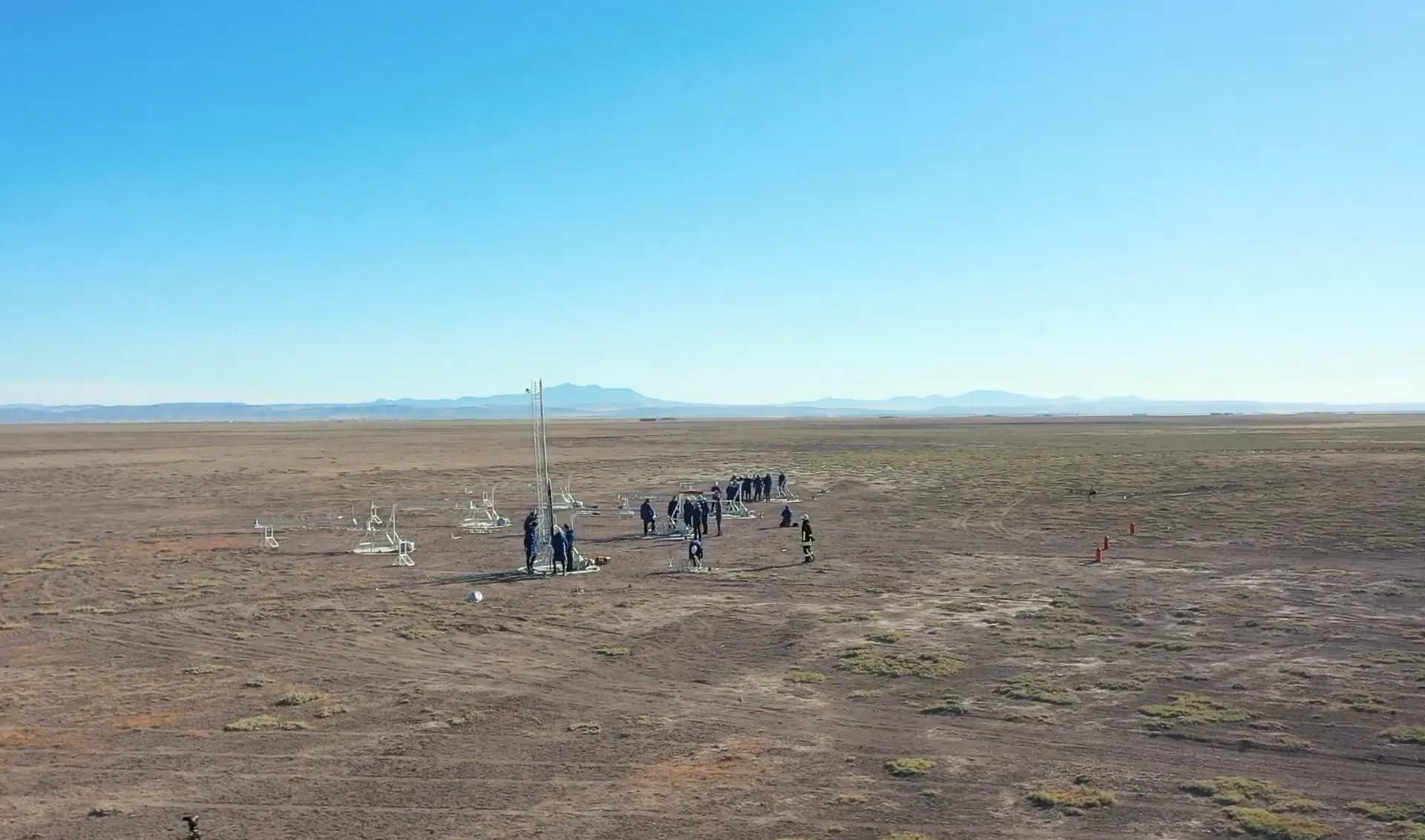
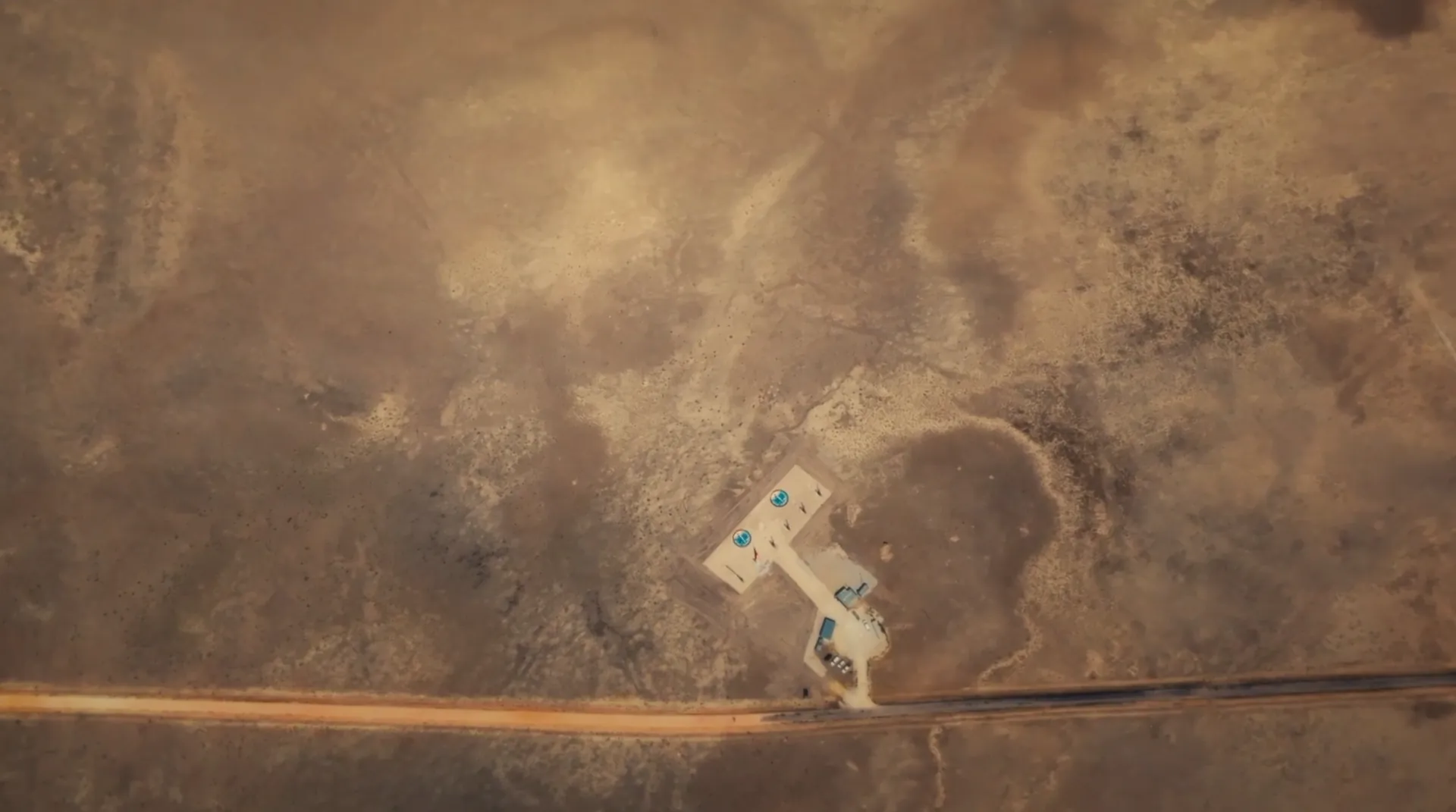
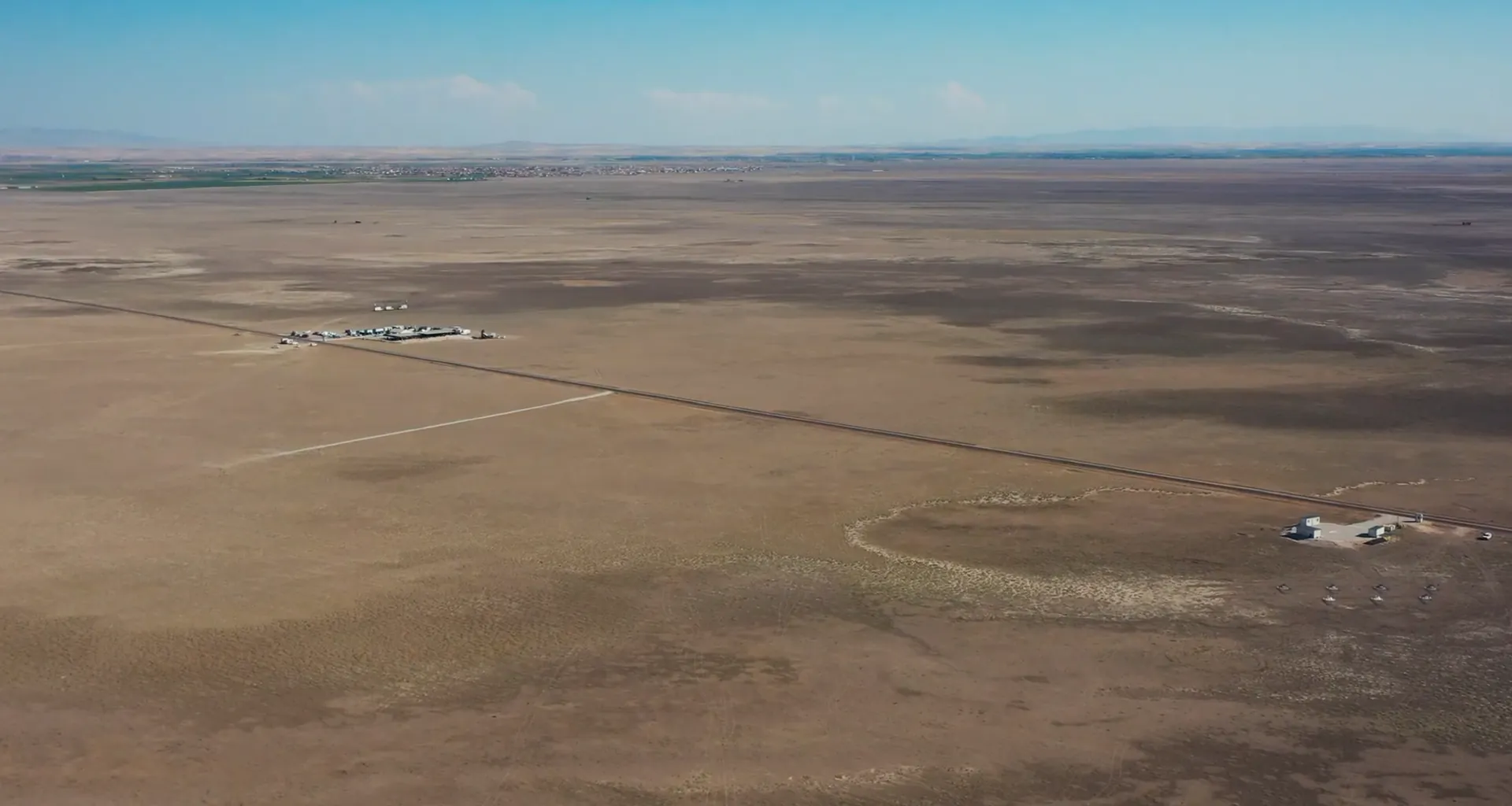
We fly our rockets at the launch site near Lake Tuz in Aksaray. We modelled the area in 3D from satellite imagery and elevation data, from the integration tent to the launch rail and on to the ground station. Drag to rotate, or pick a point to look closer.

Sentinel-2 satellite image of the Aksaray launch site: integration area, launch area and tracking station
Drag to rotate · Ctrl + wheel to zoomDrag to rotate · Pinch to zoom
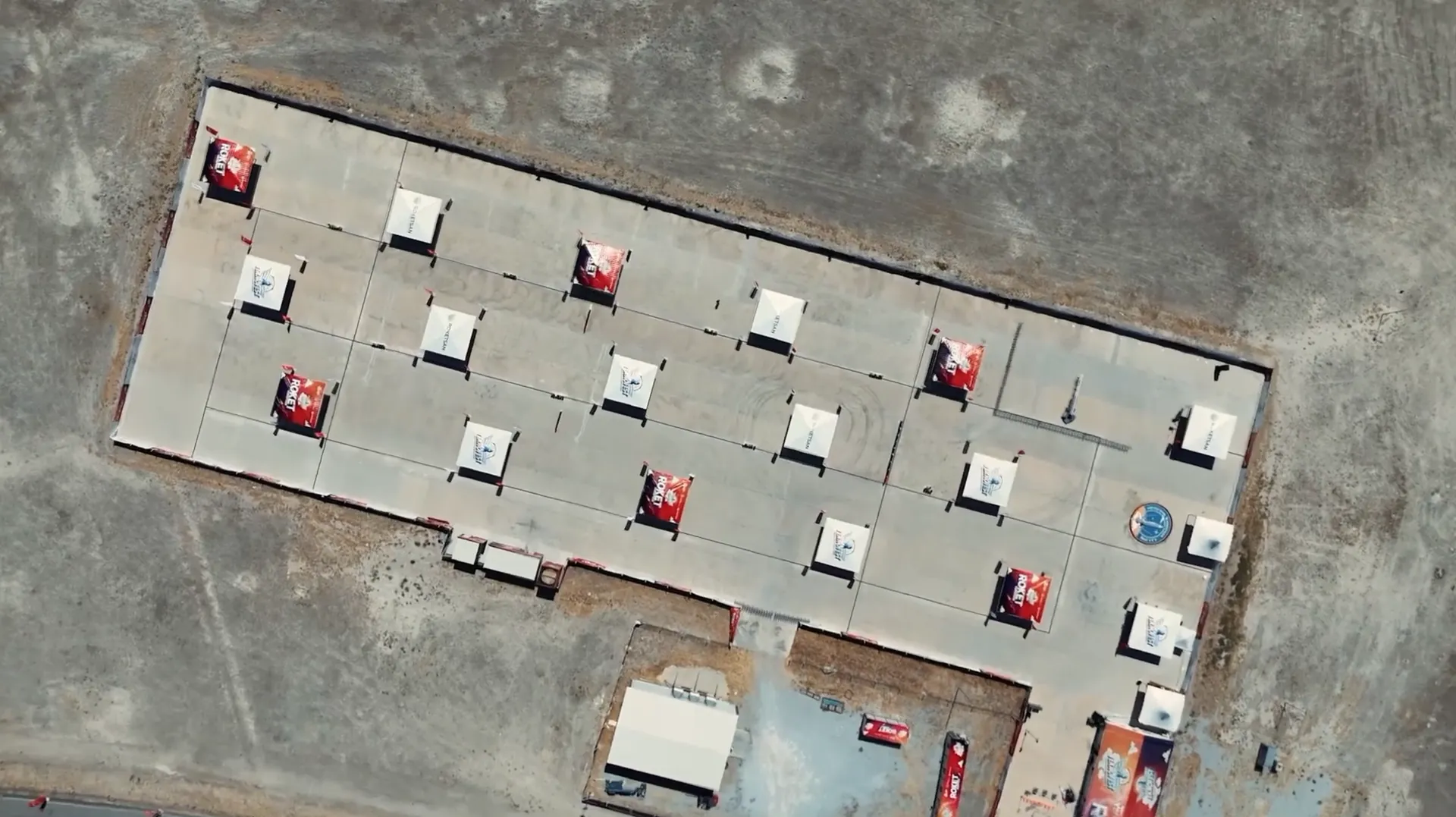
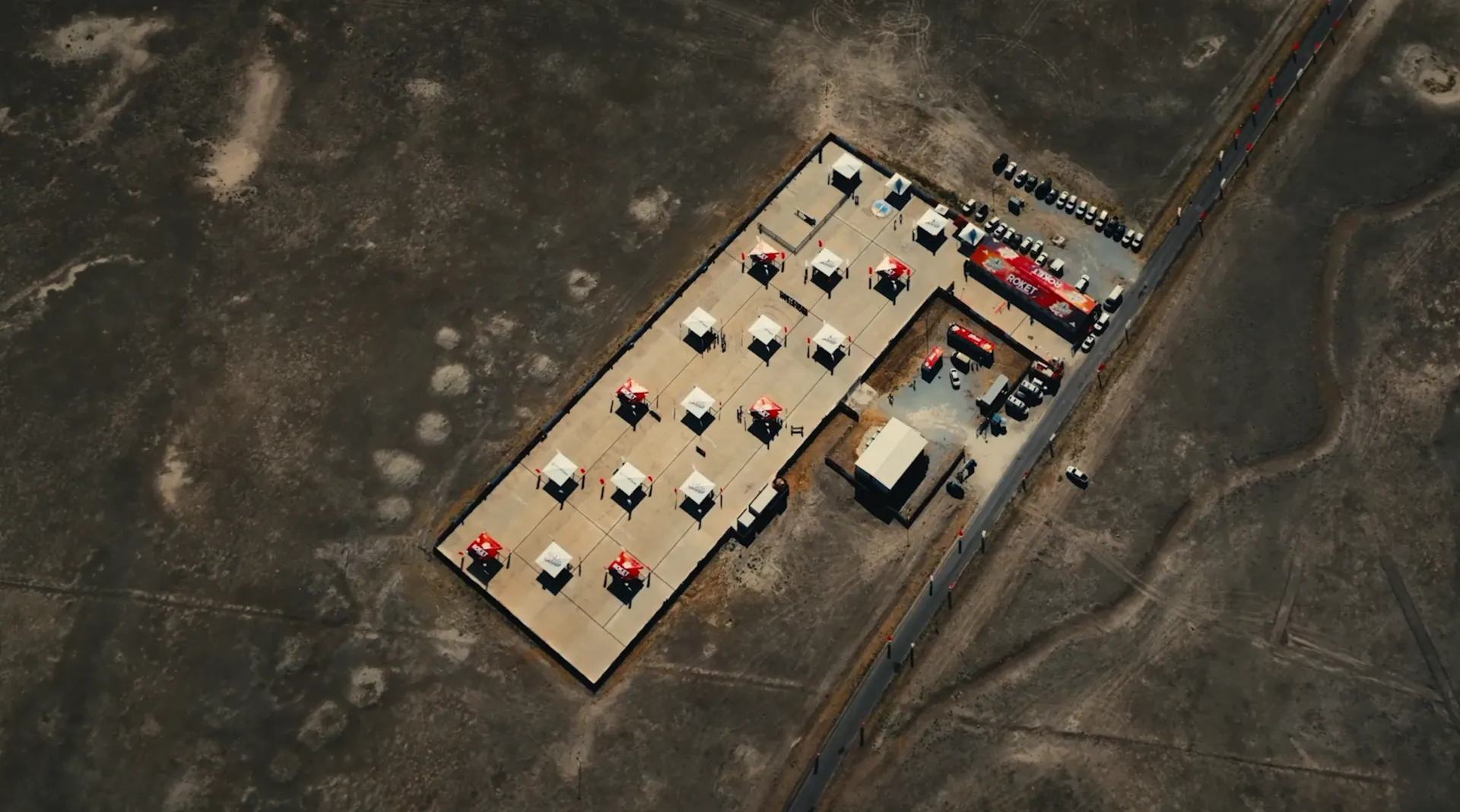
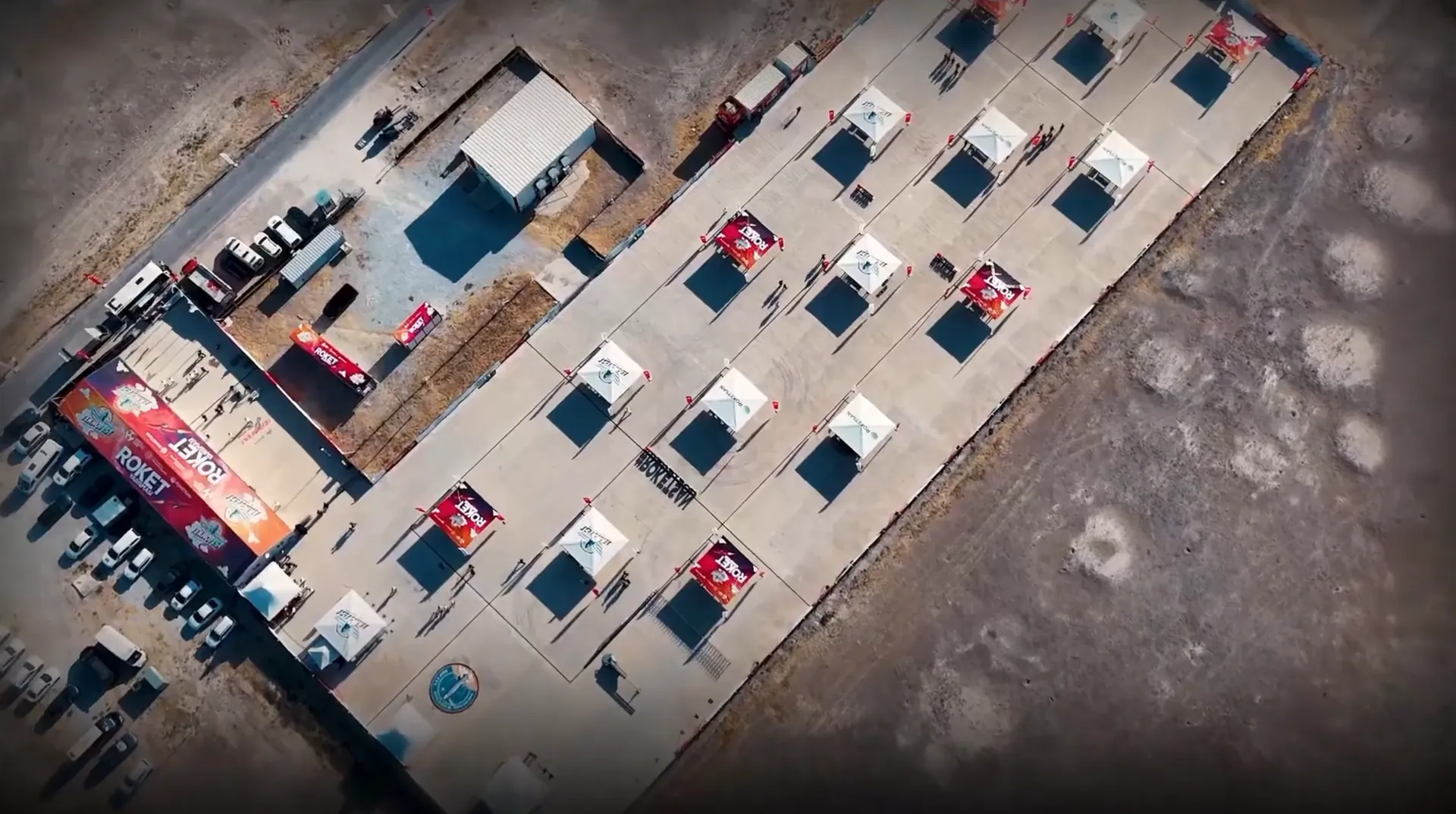
  1. The concrete platform where teams assemble their rockets one last time in their tents, pass pre-launch checks and wait for their launch slot.

    Open in Google Maps
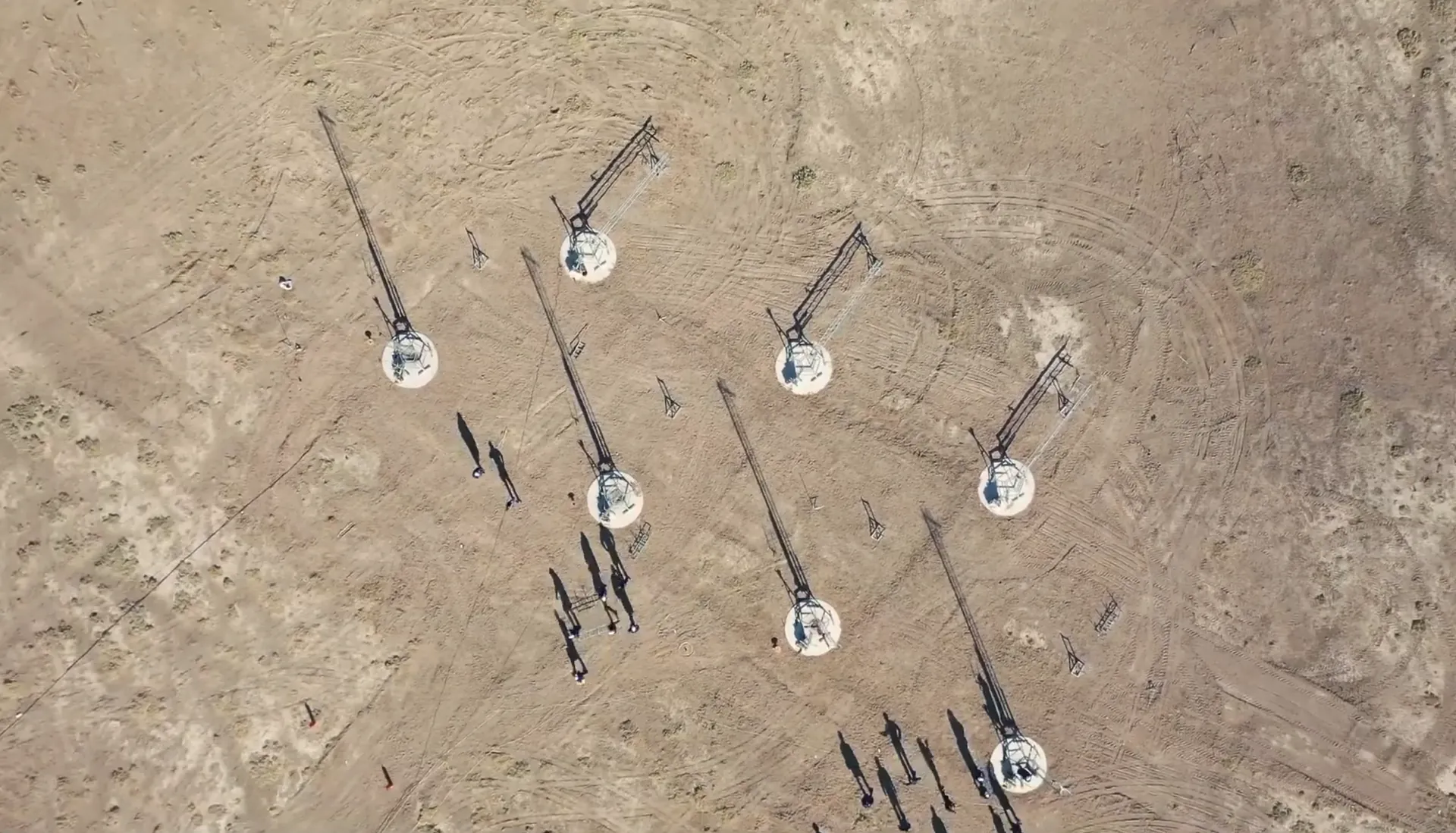
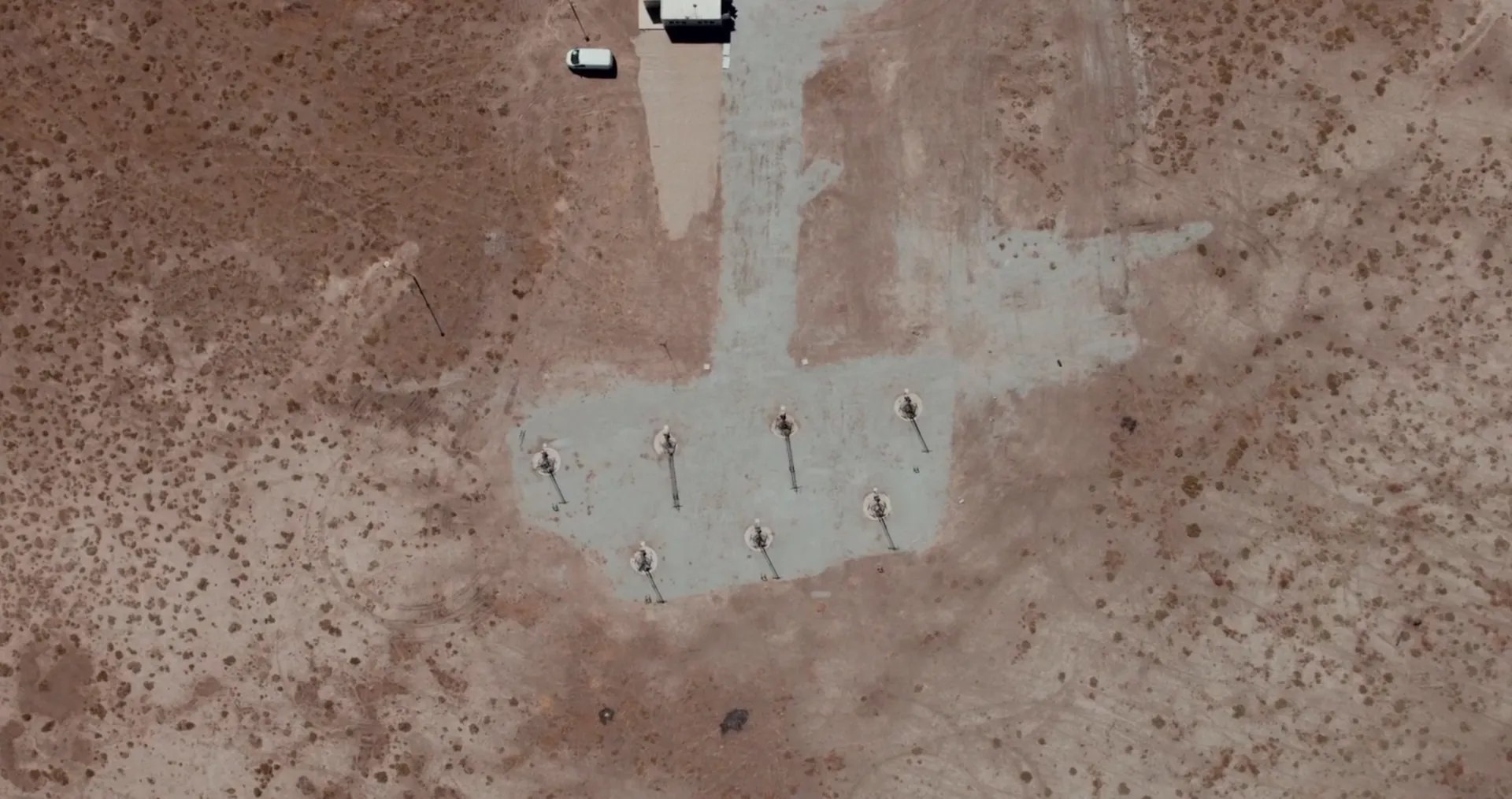
  2. Where the rocket is loaded onto the rail and ignited. It lies 3.6 km from the integration area as the crow flies.

    Open in Google Maps
  3. Where the flight is tracked and our ground station receives live telemetry, 713 m from the rail.

    Open in Google Maps

Imagery: contains modified Copernicus Sentinel-2 data (June–September 2026, composite of 8 passes) · Elevation: Copernicus DEM GLO-30

3.6km
Integration area to the rail, straight line
713m
Rail to the tracking station
916m
Average elevation above sea level
8m
Height difference across 6 km; exaggerated 40× on the map
Frames from the Site

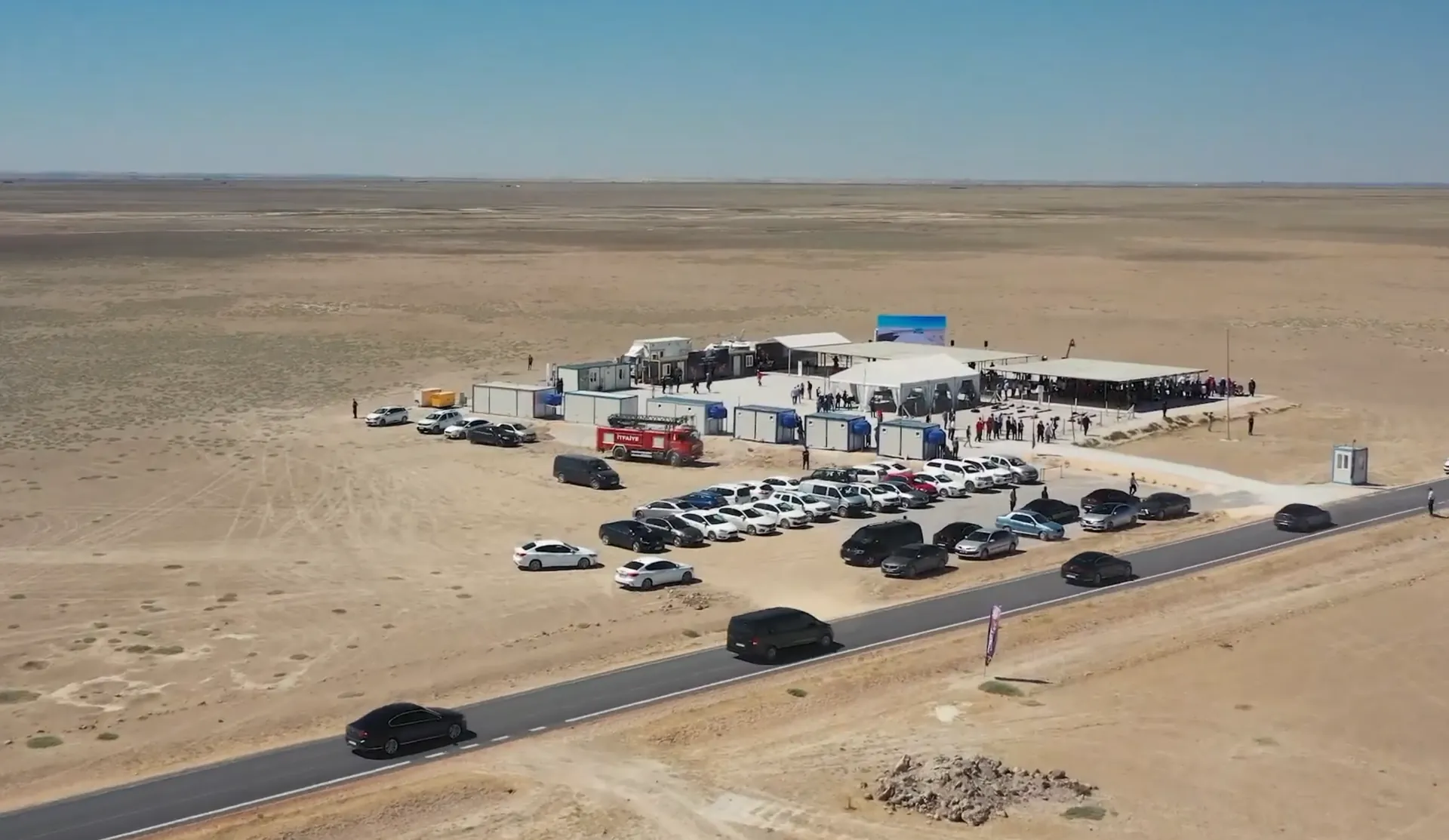
A launch range in the middle of the steppe.

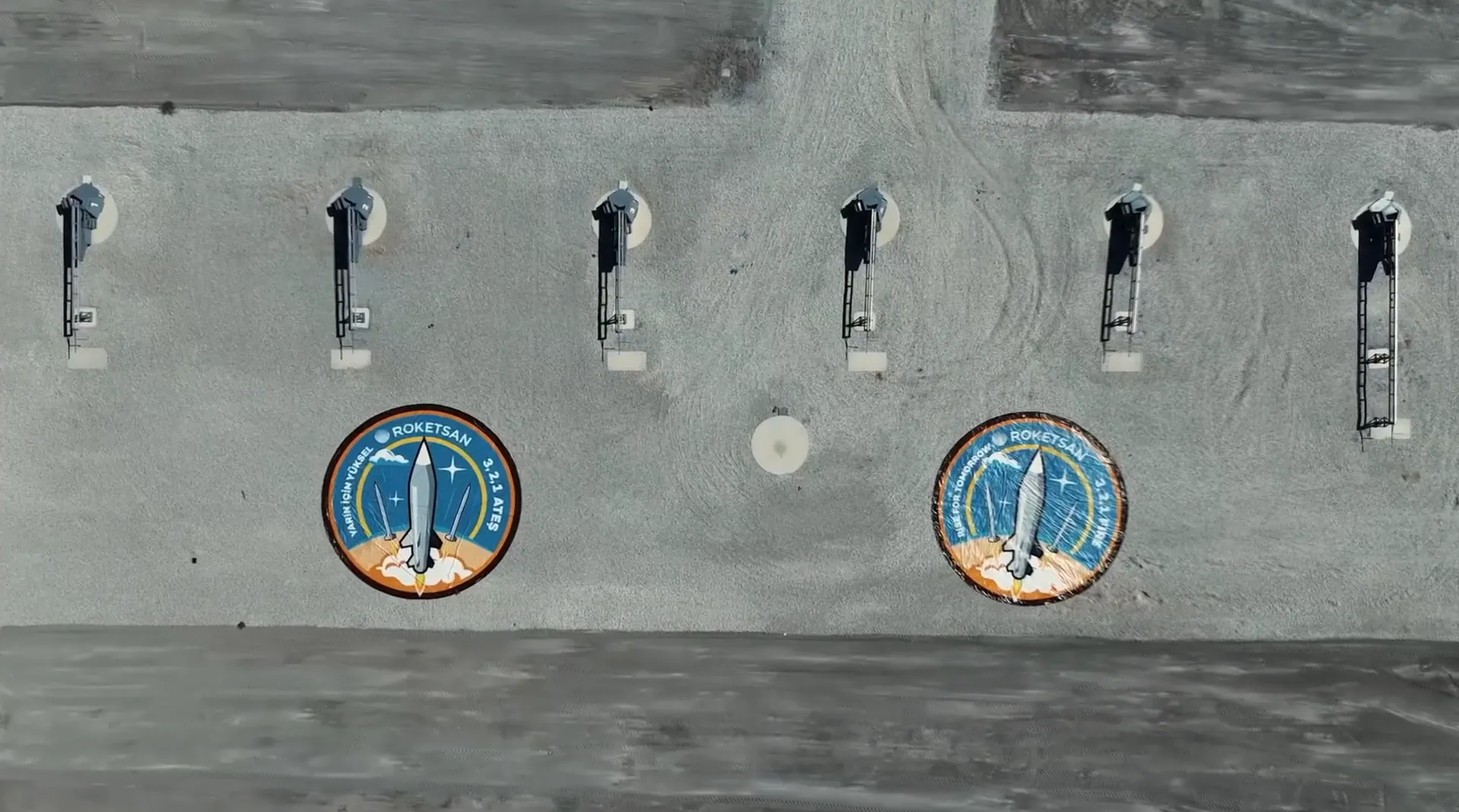
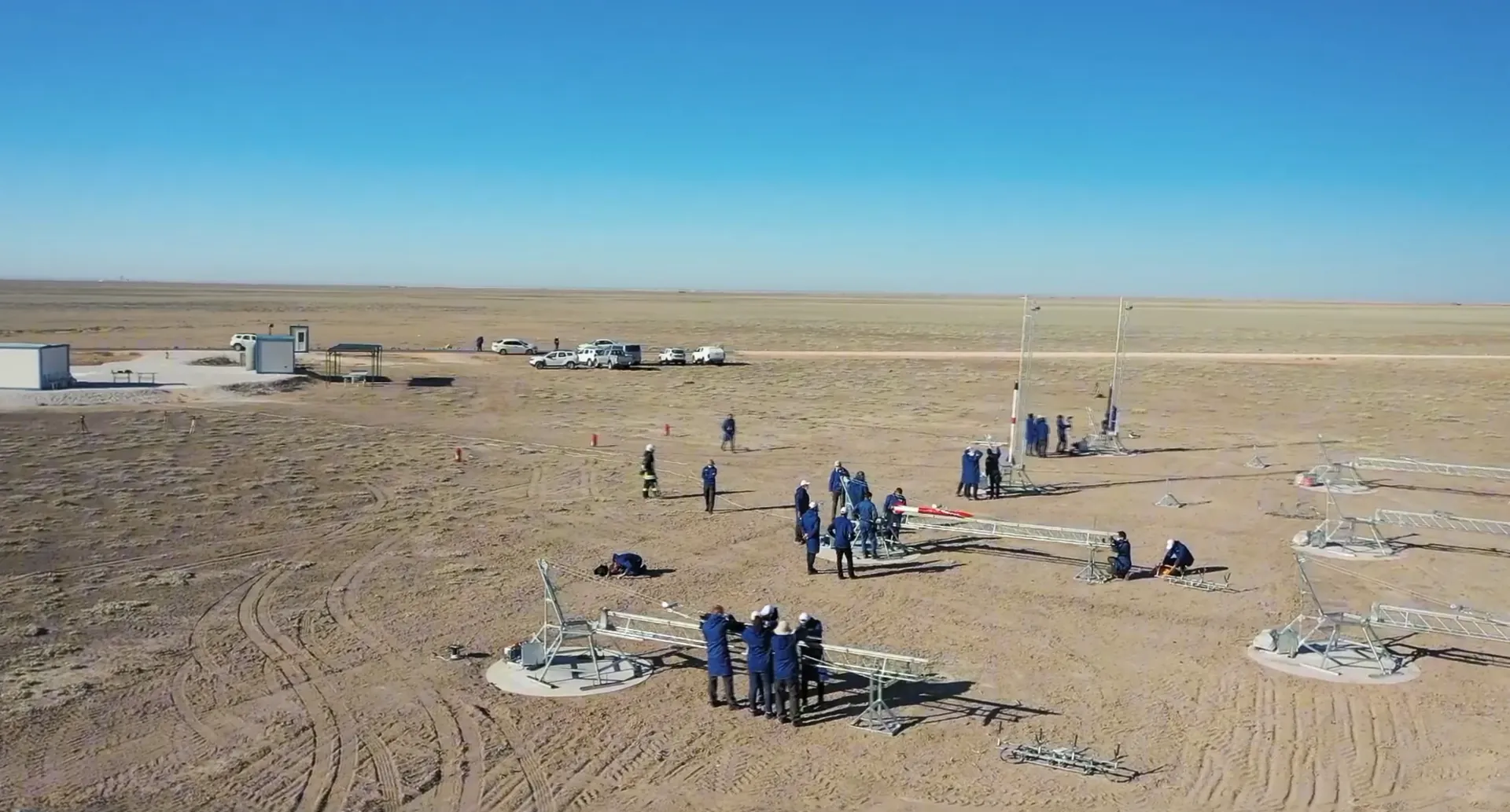
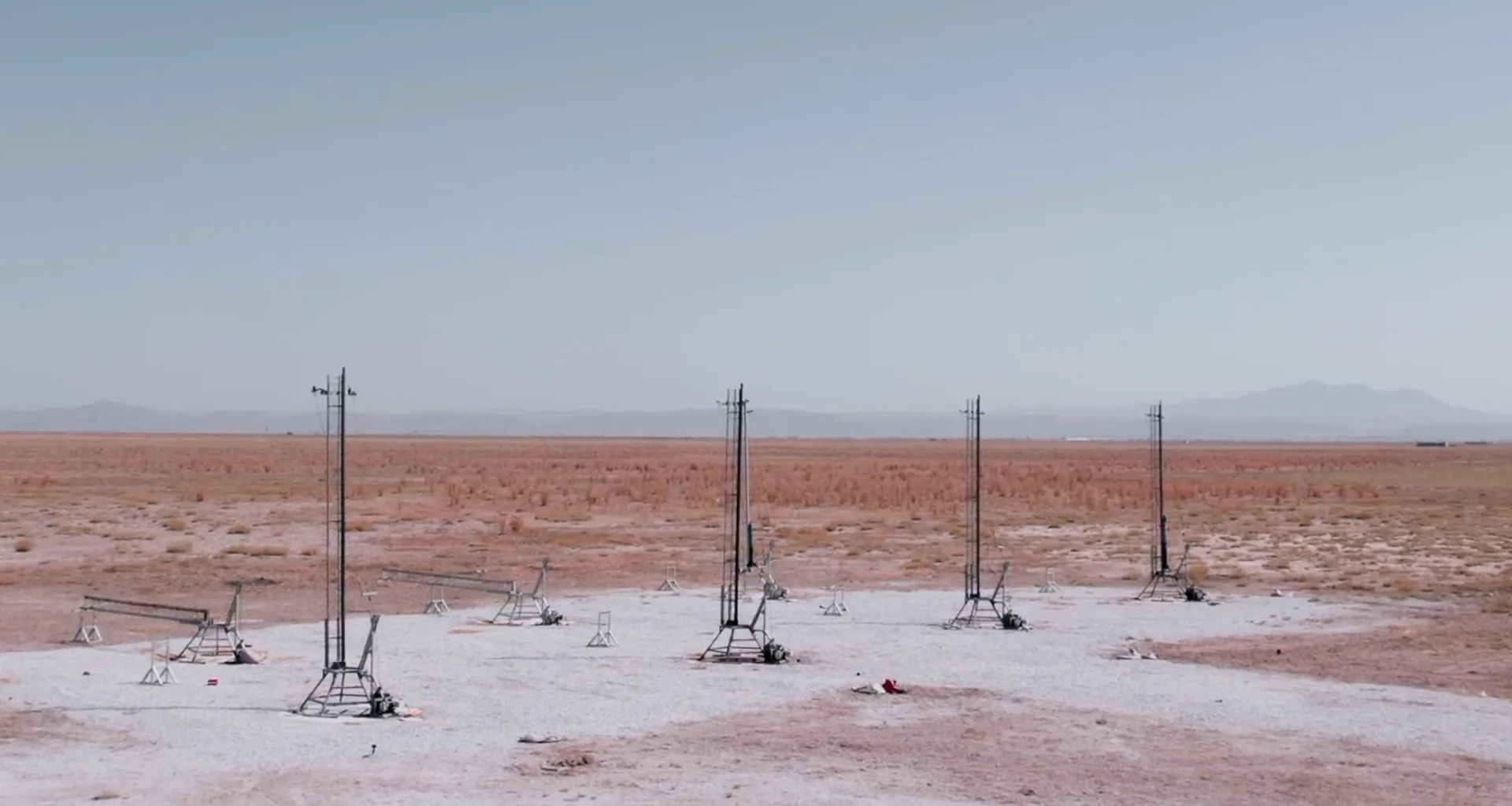
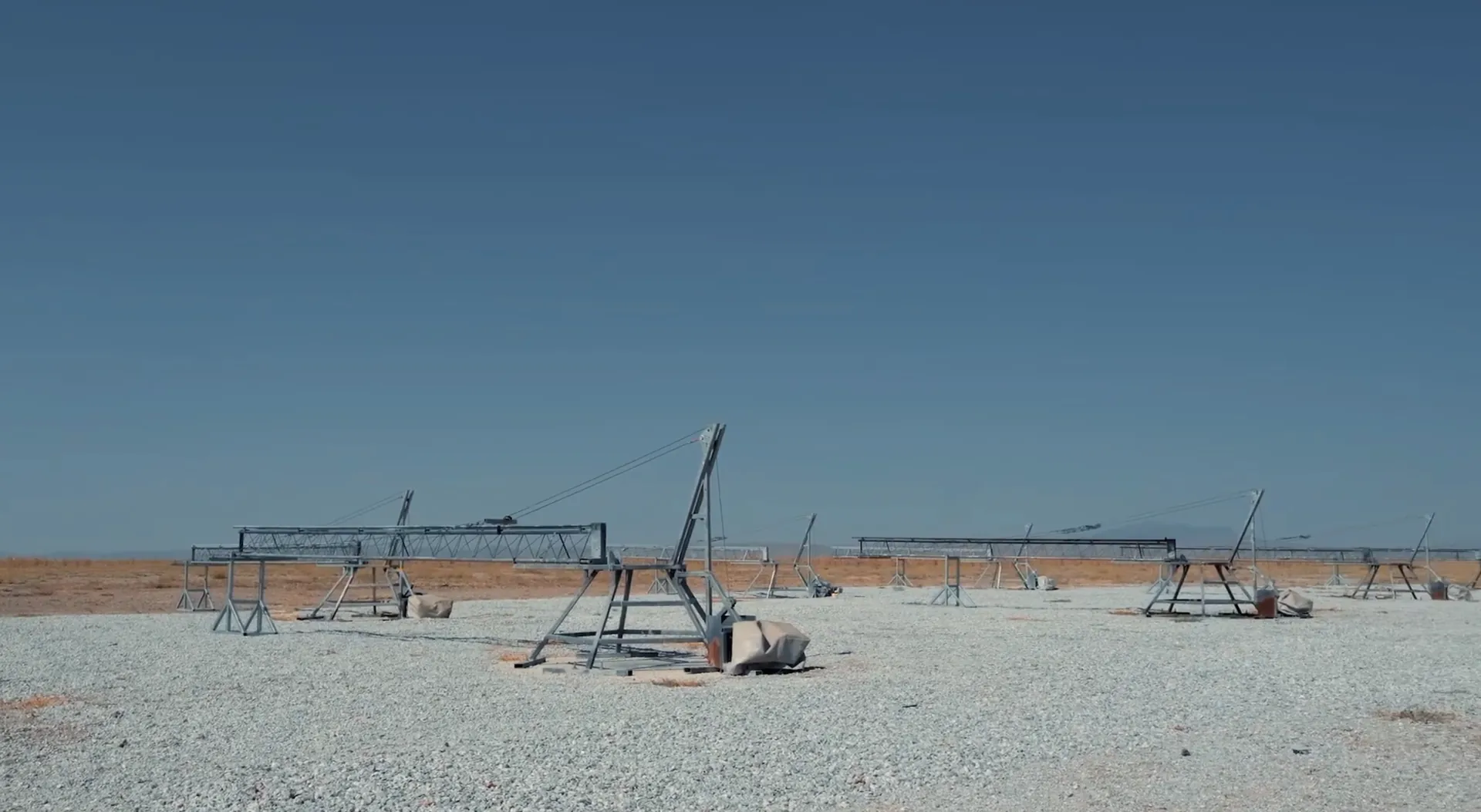
41 frames from our launch days: the integration platform, the launch rails and the tracking station.

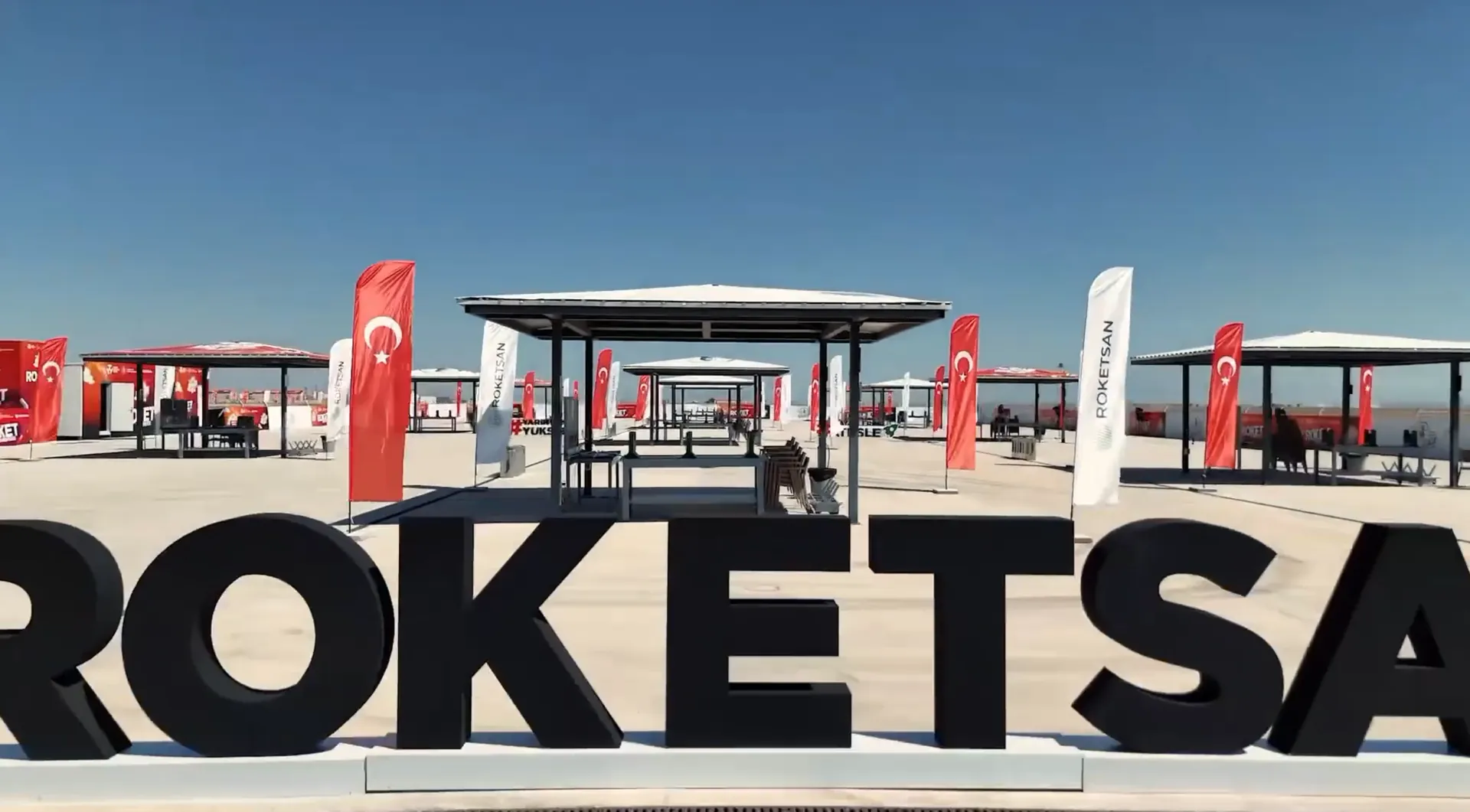
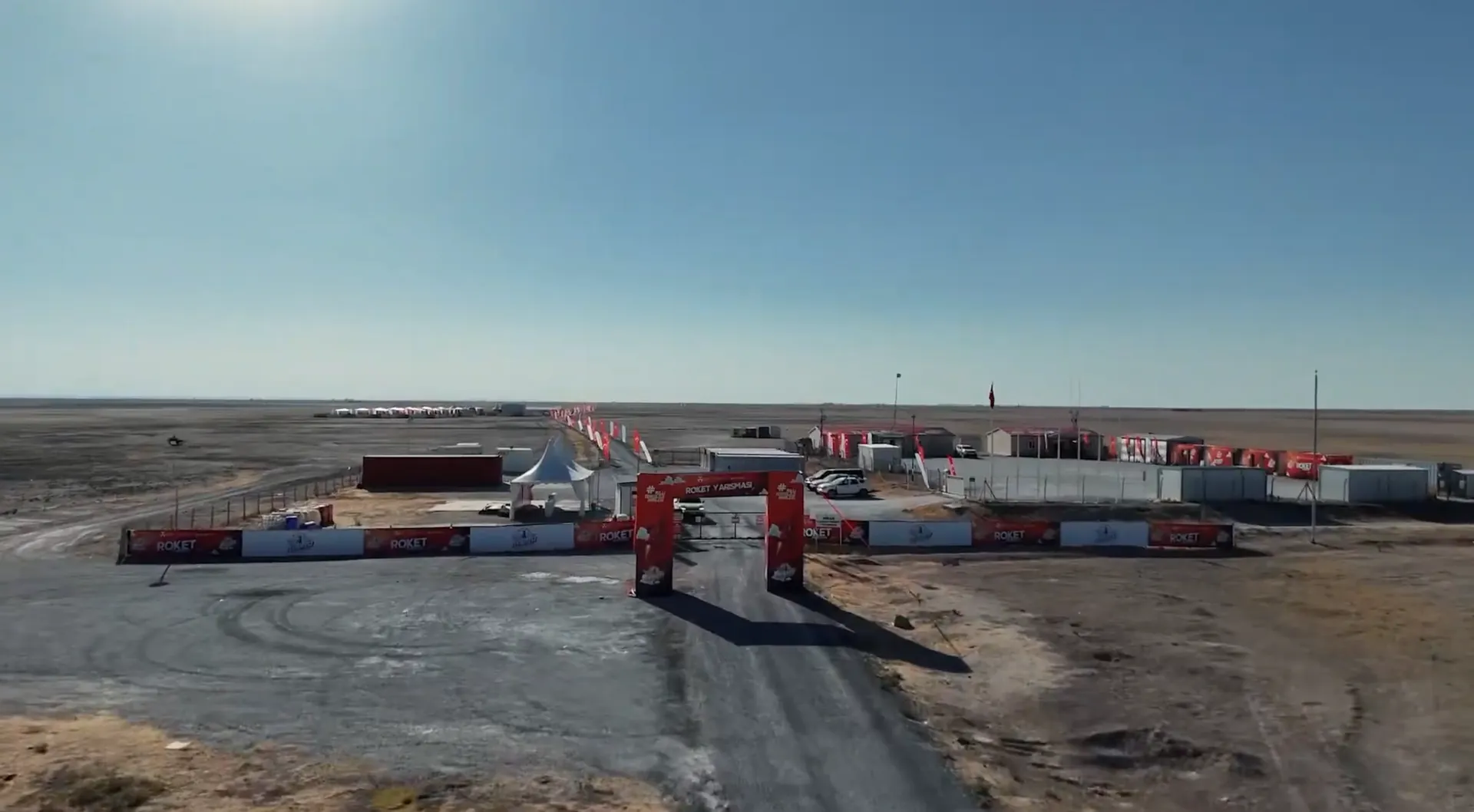
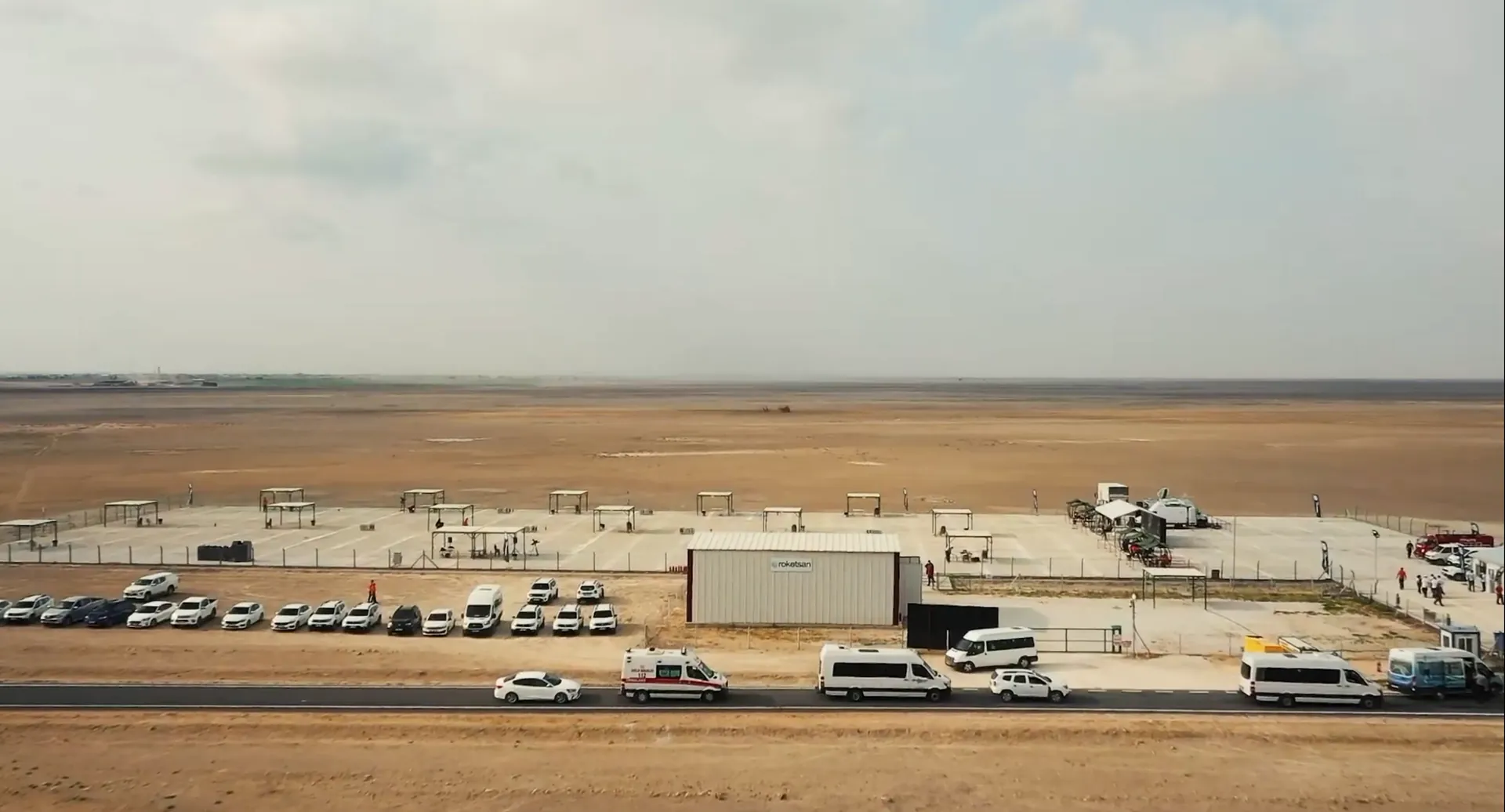
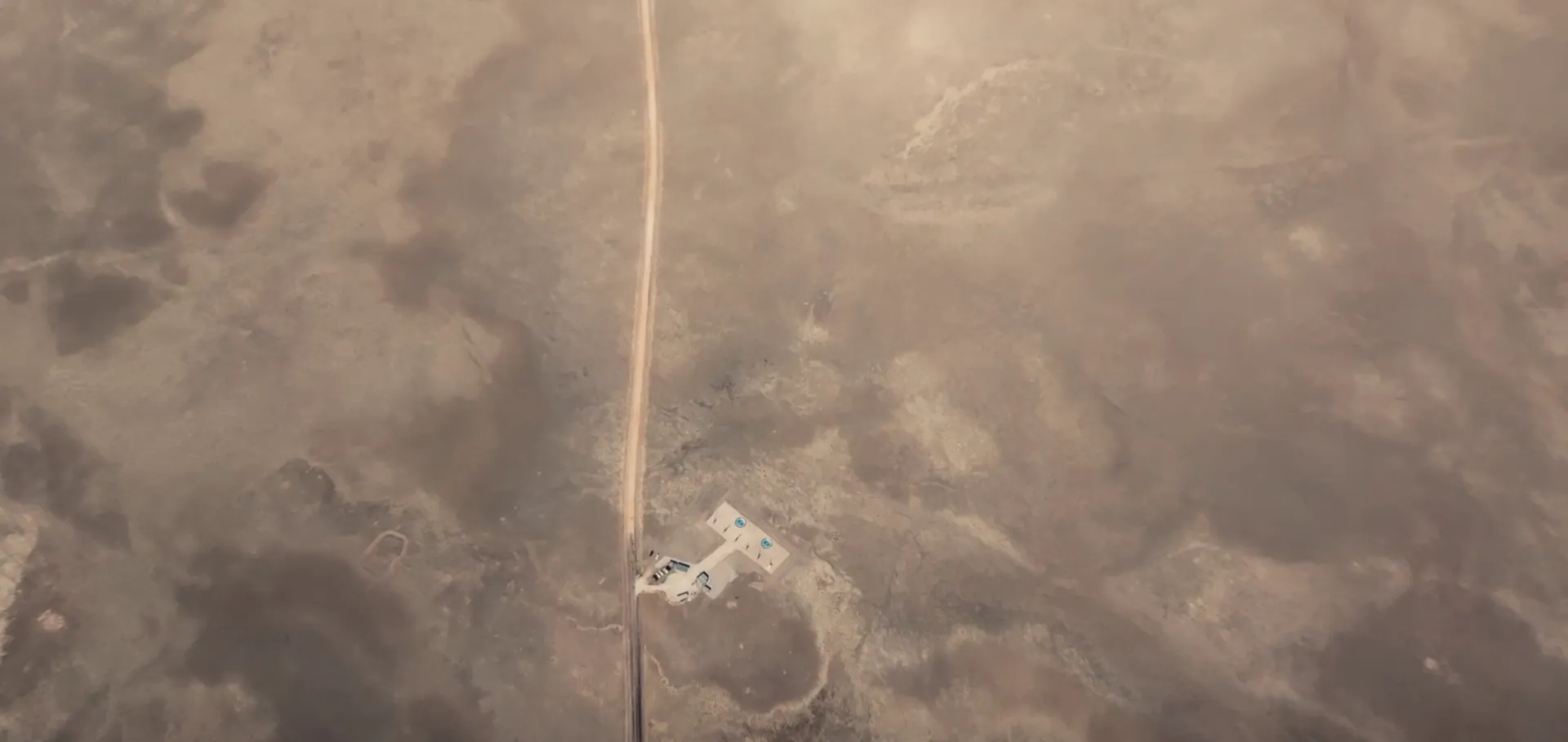
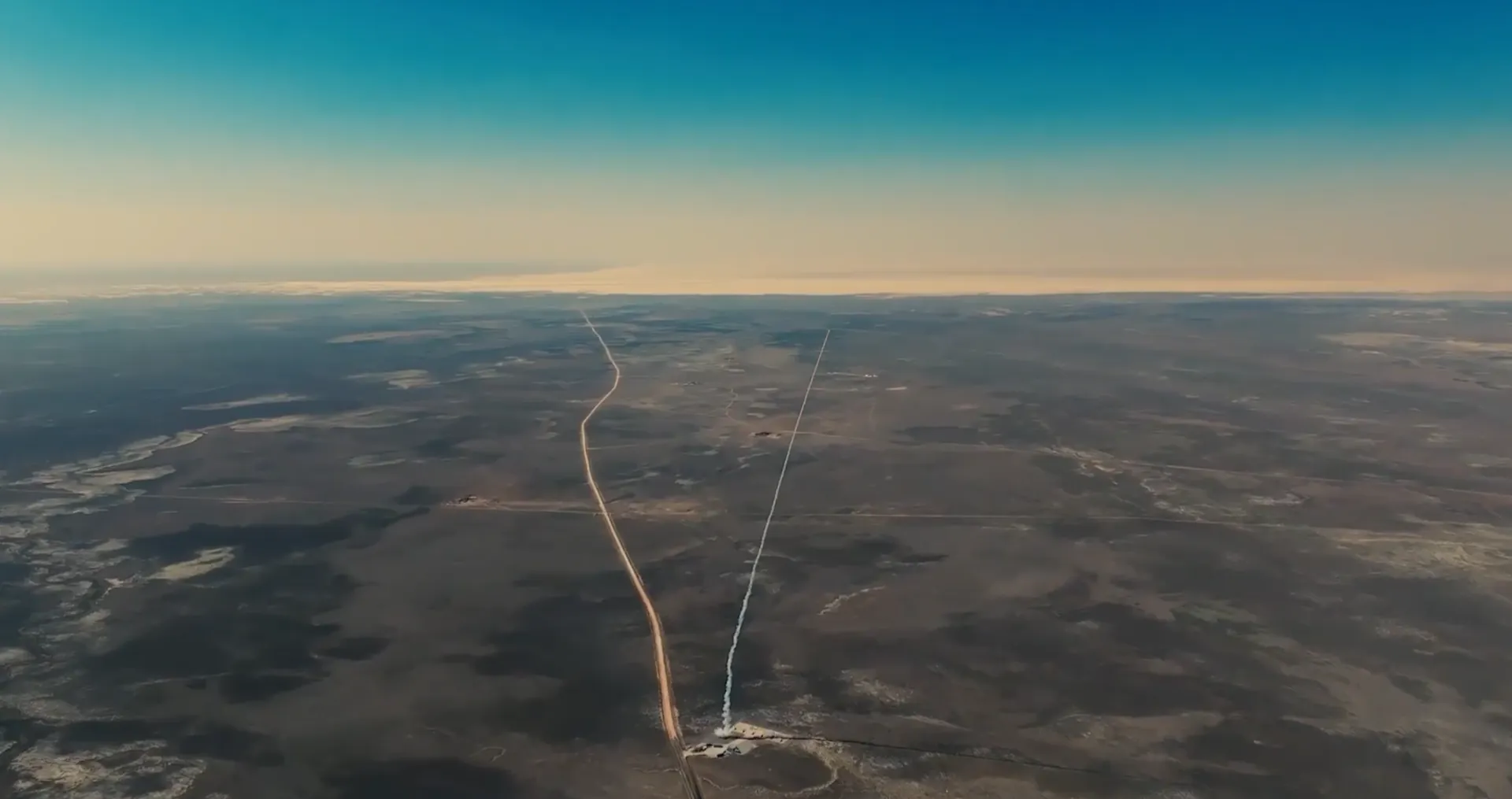
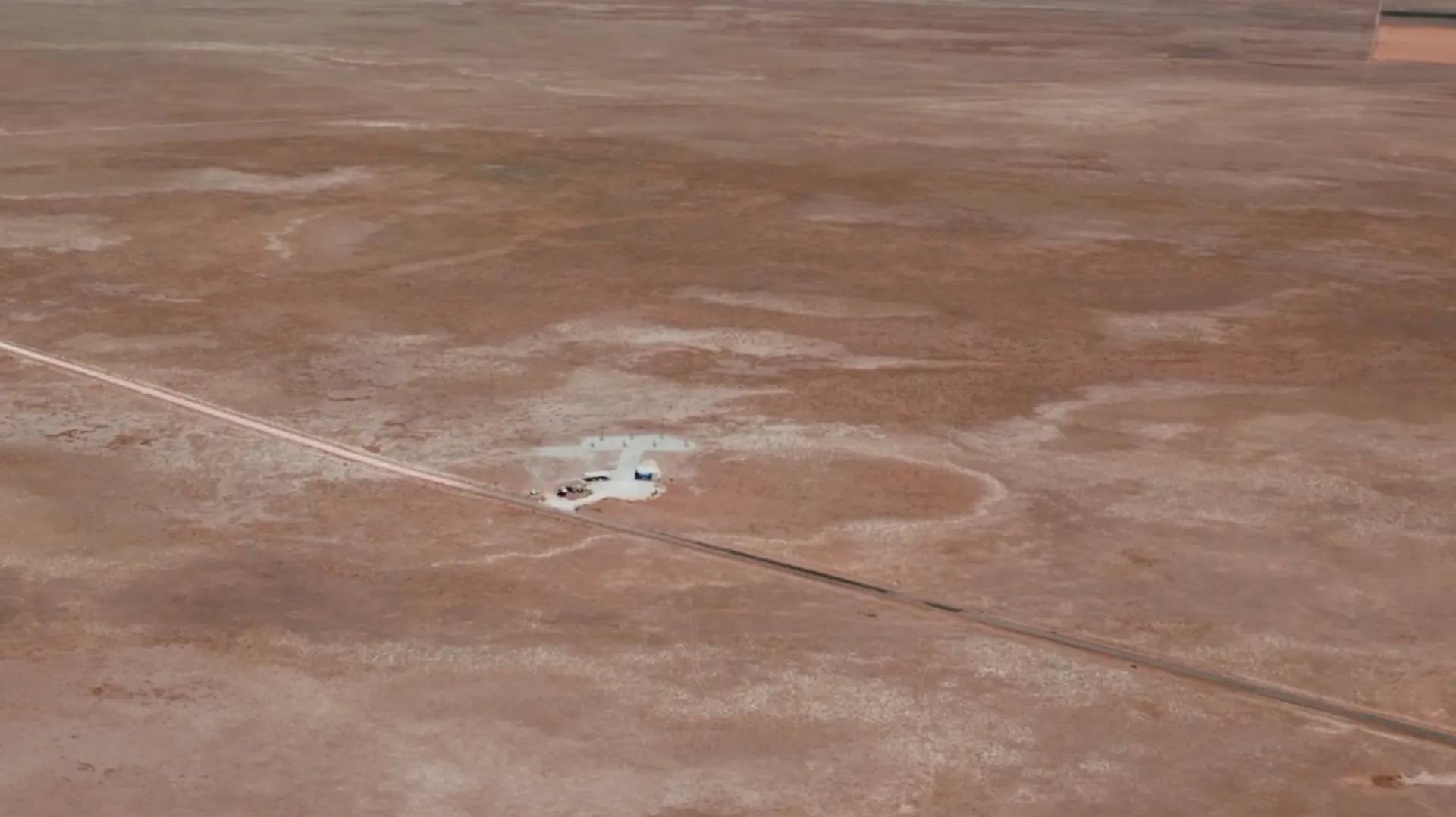
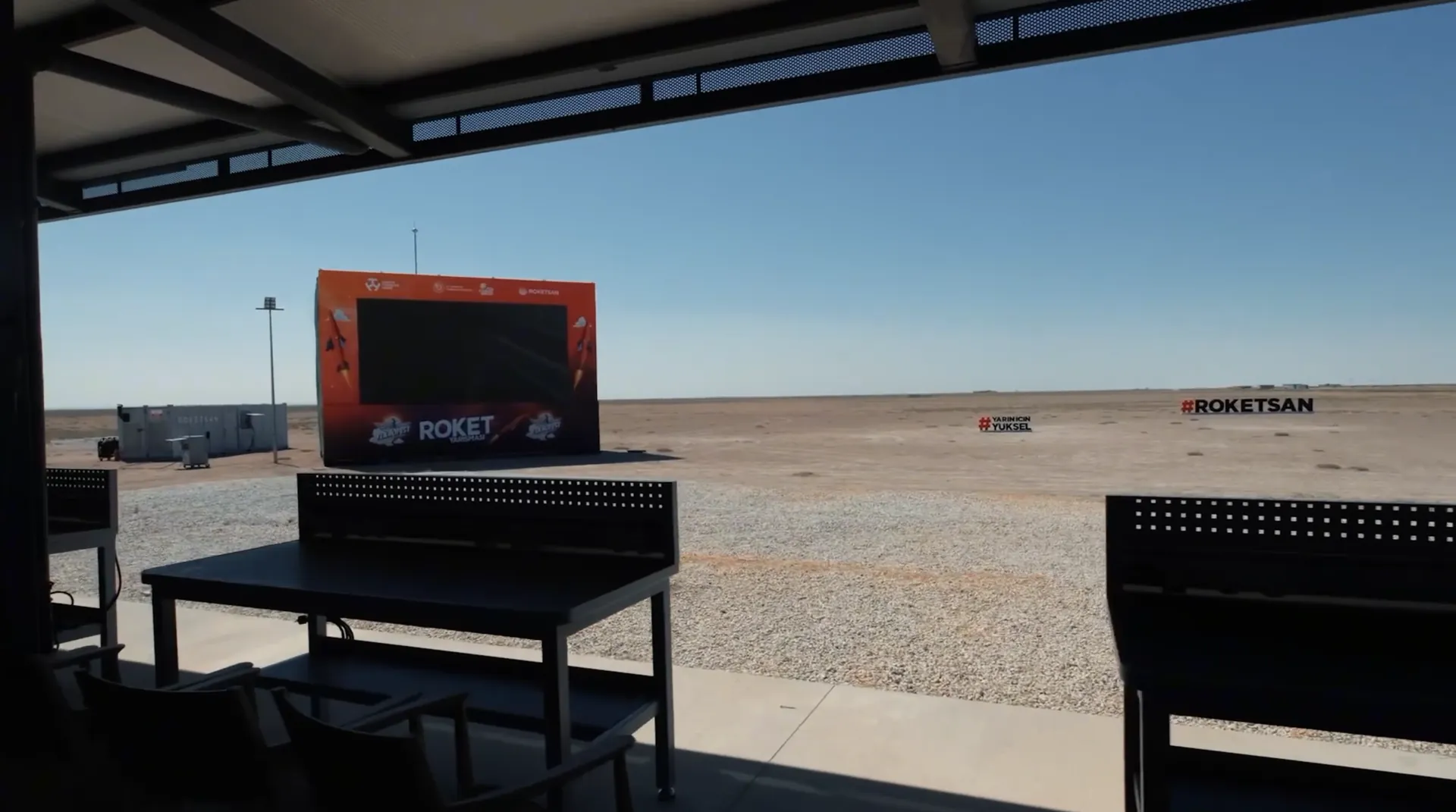
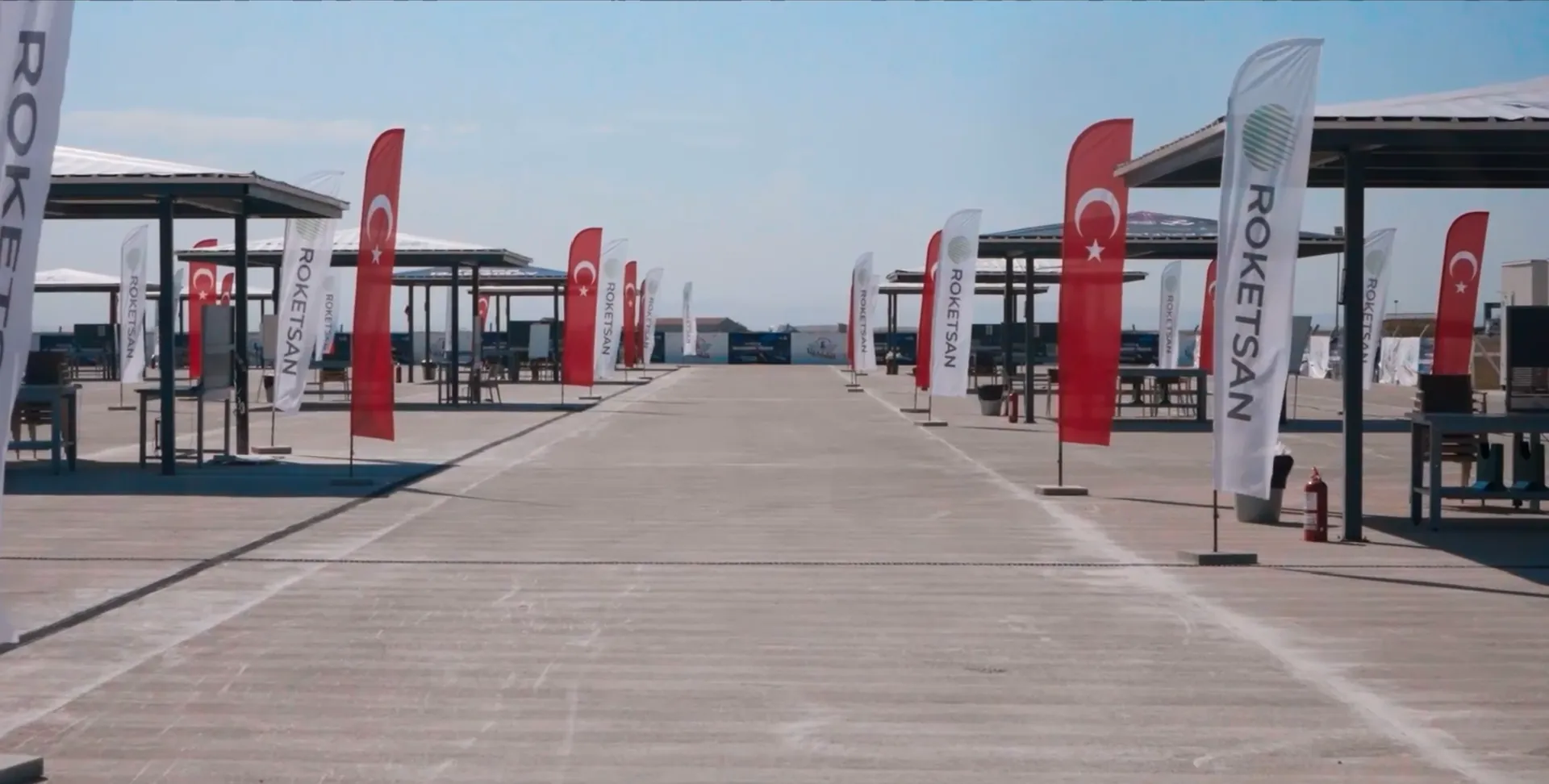
Top-down view of the integration and launch preparation area: team tents on the concrete platformAerial view of the integration area with team tents and the service roadClose top-down view of the team tents in the integration areaThe integration and launch preparation area at sunsetThe fenced integration platform and its access road in the steppeHangar, tents and vehicle park in the integration areaThe walkway between team tents with Turkish flags in the integration areaTeam tents and flags in the integration areaLow-altitude view of the integration areaGeneral aerial view of the integration platformHigh-altitude view of the integration area and its access roadWide view of the integration area with the launch area in the distanceEntrance gate of the integration areaSide view of the integration area and the vehicle parkBuildings and canopies in the integration areaThe integration area and vehicles by the roadThe integration and launch preparation area at dusk

Want to Work on These?

Check our open positions and join the team.